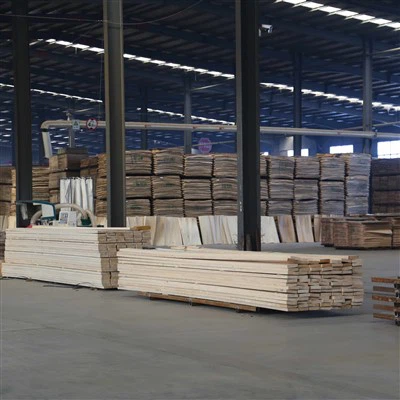
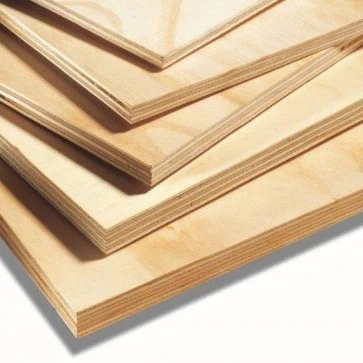
Hey there! As a supplier of Natural Color LVL Lumber Hardwood, I've been getting a lot of questions about the natural color variation in our products. So, I thought I'd take the time to break it down for you all.
First off, let's talk about what Natural Color LVL Lumber Hardwood actually is. LVL stands for Laminated Veneer Lumber. It's made by gluing together thin layers of hardwood veneers with the grain running in the same direction. This creates a strong, stable, and versatile building material. And when we say "natural color," we mean that the wood retains its original hue, without any artificial staining or coloring.
Now, the natural color of hardwood can vary quite a bit, even within the same species. This is due to a number of factors, including the tree's age, growing conditions, and the part of the tree the veneer is taken from. For example, wood from the heart of the tree (the heartwood) is often darker and more richly colored than wood from the outer layers (the sapwood).
Let's start with some of the common hardwood species we use in our Natural Color LVL Lumber. Oak is a popular choice. Oak heartwood can range from a light golden - brown to a deep, rich reddish - brown. The color variation can be quite dramatic, even in a single board. This is because as the oak tree grows, the heartwood accumulates more tannins and other natural compounds over time, which deepen the color. If you're looking for a warm, inviting aesthetic, oak's natural color variations can add a lot of character to your project. You can check out our Natural Color LVL Lumber Hardwood to see the beautiful oak options we have.
Maple is another great option. Maple sapwood is typically a very light, almost white color, while the heartwood can be a pale brown. The contrast between the sapwood and heartwood in maple can create a really interesting visual effect. It gives a clean, fresh look that's perfect for modern or contemporary designs. Our maple - based Natural Color LVL Lumber can bring a touch of elegance to any space.
Walnut is known for its luxurious, dark color. Walnut heartwood can be a deep chocolate brown, sometimes with purplish undertones. The color can vary depending on the walnut tree's origin and growing environment. Some walnut may have lighter streaks or areas of a slightly different shade, which only adds to its beauty. Using walnut in your project can make a bold statement, whether it's for high - end furniture or a feature wall.
Now, you might be wondering how these color variations affect the performance of the LVL Lumber. Well, the good news is that the natural color variation doesn't have any negative impact on the strength or durability of the wood. Our Lightweight LVL Lumber with Strong Compression Resistance maintains its excellent structural properties regardless of the color of the individual veneers. The gluing process we use ensures that the layers bond together tightly, creating a strong and reliable product.
In addition to the aesthetic appeal, our Natural Color LVL Lumber also has practical benefits. For example, it's great for furniture making. The natural colors can enhance the overall look of the furniture, giving it a more authentic and high - quality feel. Our Insect - resistant LVL Timbers for Furniture are not only protected against bugs but also come in a range of beautiful natural colors. This means you can have furniture that looks great and lasts a long time.
When it comes to construction projects, the natural color variation can add a unique touch to buildings. Whether it's used for flooring, wall paneling, or even as a structural element, the different shades of our Natural Color LVL Lumber can create a sense of warmth and character. It can also blend well with different architectural styles, from traditional to modern.
Now, I know that dealing with color variation can be a bit of a challenge for some customers. You might be worried about getting a consistent look for your project. But don't worry! We have a team of experts who can help you select the right boards to achieve the look you want. We can provide samples so you can see the actual color variations before making a decision. And if you have a large - scale project, we can work with you to ensure that the color distribution is as even as possible across all the materials.
Another thing to keep in mind is that over time, the natural color of the wood may change slightly due to exposure to light and air. This is a natural process called oxidation. For example, some woods may darken or mellow in color over the years. This can actually enhance the beauty of the wood, giving it a more aged and sophisticated look.
So, if you're in the market for high - quality, beautiful Natural Color LVL Lumber Hardwood, look no further. We offer a wide range of options in different hardwood species, each with its own unique color variations. Whether you're a furniture maker, a contractor, or a DIY enthusiast, our products can meet your needs.
If you're interested in learning more about our Natural Color LVL Lumber Hardwood or have any questions about color selection, feel free to reach out. We're here to help you make the best choice for your project. Let's have a chat and see how we can work together to bring your vision to life.


References
- "Wood Handbook: Wood as an Engineering Material", Forest Products Laboratory
- "Understanding Wood: A Craftsman's Guide to Wood Technology", R. Bruce Hoadley