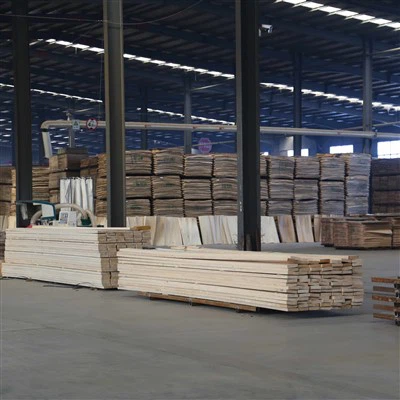
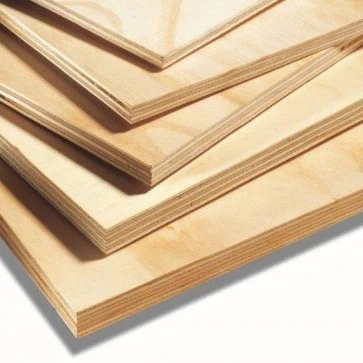
Hey there! As a supplier of Natural Color LVL Lumber Hardwood, I often get asked about where this amazing product comes from. So, let's dive right into the origin of Natural Color LVL Lumber Hardwood.
The Basics of LVL Lumber
First off, let's understand what LVL (Laminated Veneer Lumber) is. LVL is an engineered wood product made by bonding multiple thin layers of wood veneers together with adhesives. These veneers are typically laid up with their grains running parallel to each other, which gives LVL its strength and stability.
The concept of LVL isn't brand - new. It dates back several decades. The idea was to create a wood product that could overcome some of the limitations of traditional solid wood. Solid wood can have natural defects like knots, which can weaken the wood and make it less reliable for structural applications. LVL, on the other hand, is more consistent in its properties because the veneers are carefully selected and bonded together.
The Source of Hardwood for Natural Color LVL
The hardwood used in Natural Color LVL Lumber comes from various tree species. Some of the common hardwoods include oak, maple, and ash. These trees are carefully sourced from well - managed forests. Sustainable forestry practices are crucial here. We want to make sure that the forests are replenished and that the environment isn't negatively impacted.
When it comes to the natural color aspect, the color of the LVL is a result of the natural color of the hardwood veneers. Different tree species have different natural colors. For example, oak has a warm, rich brown color, while maple is lighter, often with a creamy tone. The natural color of the LVL gives it a unique and aesthetically pleasing look, which is why it's so popular in both interior and exterior applications.
The Manufacturing Process
The manufacturing process of Natural Color LVL Lumber is quite fascinating. It starts with the logging of the hardwood trees. Once the trees are harvested, they are transported to the sawmill. At the sawmill, the logs are debarked and then cut into thin veneers. The thickness of these veneers can vary, but they are usually around 1 - 3 millimeters thick.
After the veneers are cut, they are dried to a specific moisture content. This is important because if the veneers are too wet, the adhesive won't bond properly, and if they are too dry, they can become brittle. Once the veneers are at the right moisture level, they are coated with an adhesive. The adhesive is a crucial component as it holds the veneers together and gives the LVL its strength.
Next, the veneers are stacked on top of each other with their grains aligned. This stack is then placed in a press, where it is subjected to high pressure and heat. The heat activates the adhesive, causing it to harden and bond the veneers together. After the pressing process, the LVL is cut to the desired length and width.
Advantages of Natural Color LVL Lumber Hardwood
One of the biggest advantages of Natural Color LVL Lumber Hardwood is its strength. Because the veneers are bonded together, LVL is much stronger than solid wood of the same dimensions. This makes it ideal for structural applications such as beams, joists, and headers in construction.


Another advantage is its stability. LVL is less likely to warp, twist, or shrink compared to solid wood. This is because the bonding process helps to counteract the natural movement of the wood. So, if you're using LVL in a project, you can be more confident that it will maintain its shape over time.
The natural color of the LVL also adds to its appeal. It gives a warm and inviting look to any space. Whether you're using it for flooring, furniture, or decorative elements, the natural color of the hardwood veneers can enhance the overall aesthetic of the project.
Applications of Natural Color LVL Lumber Hardwood
Natural Color LVL Lumber Hardwood has a wide range of applications. In the construction industry, it's commonly used for structural framing. For example, High Strength LVL Timbers for Pallets are great for building pallets that need to support heavy loads. The strength and stability of LVL make it a reliable choice for this type of application.
In the furniture industry, LVL is also becoming increasingly popular. E0 Furniture LVL Timbers Eco Friendly are used to make everything from tables and chairs to cabinets. The natural color of the LVL gives the furniture a unique and natural look, while the strength and stability ensure that the furniture will last for a long time.
For interior design, LVL can be used for wall paneling, ceiling beams, and even stair treads. Lightweight LVL Lumber with Strong Compression Resistance is perfect for these applications as it's easy to install and can add a touch of elegance to any room.
Why Choose Our Natural Color LVL Lumber Hardwood
As a supplier, we take pride in offering high - quality Natural Color LVL Lumber Hardwood. We source our hardwood from sustainable forests, so you can be confident that you're getting an environmentally friendly product. Our manufacturing process is carefully monitored to ensure that each piece of LVL meets our strict quality standards.
We also offer a wide range of sizes and colors to meet your specific needs. Whether you're a contractor working on a large construction project or a DIY enthusiast building a piece of furniture, we have the right LVL for you.
Let's Connect
If you're interested in purchasing Natural Color LVL Lumber Hardwood, I'd love to talk to you. We can discuss your project requirements, answer any questions you might have, and provide you with a quote. Don't hesitate to reach out and start the conversation. We're here to help you make your project a success.
References
- Forest Products Laboratory. (2010). Wood Handbook: Wood as an Engineering Material. USDA Forest Service.
- Simpson, W. T. (2017). Wood Engineering and Construction Handbook. McGraw - Hill Education.