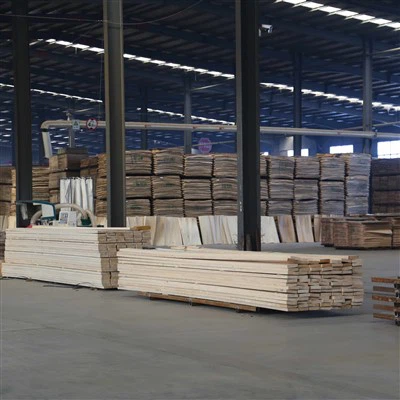
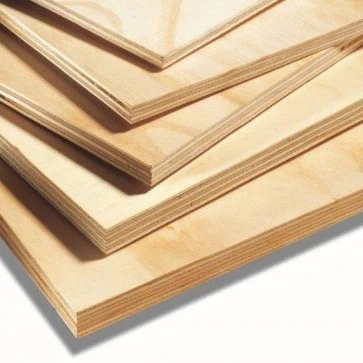
Hey there! I'm a supplier from an LVL wood factory, and I'm super stoked to take you through the production process of LVL wood. It's a pretty fascinating journey, and I'm gonna break it down step by step.
Step 1: Log Selection
The whole process kicks off with log selection. We head to the forest to pick the right logs. We're on the lookout for high - quality logs that are straight, free from major defects like knots and cracks, and have the right moisture content. The type of wood matters a lot too. We usually go for hardwoods like oak, maple, or softwoods such as pine. Different woods bring different properties to the final LVL product. For instance, hardwoods are generally stronger and more durable, while softwoods are lighter and easier to work with.
Step 2: Debarking and Sizing
Once we've got our logs, the next step is debarking. We use specialized machines to strip off the outer bark. This not only makes the logs easier to handle but also gets rid of any dirt, insects, or fungi that might be hiding in the bark. After debarking, the logs are cut into the right sizes. We measure and saw them into lengths and diameters that are suitable for the veneer peeling process. This step is crucial because it sets the foundation for the quality of the veneers we'll produce later.
Step 3: Veneer Peeling
Now, it's time for veneer peeling. We use a lathe, which is a big, powerful machine. The log is placed in the lathe, and as it rotates, a sharp blade peels off thin layers of wood, called veneers. These veneers are usually around 1 - 6 millimeters thick. The key here is to get a consistent thickness across the whole veneer. Any variations in thickness can affect the strength and appearance of the final LVL product. We have quality control measures in place to make sure each veneer meets our standards.
Step 4: Drying the Veneers
The freshly peeled veneers have a high moisture content, and we need to dry them. We put the veneers in large drying kilns. Inside the kilns, we control the temperature, humidity, and airflow to gradually reduce the moisture content to an optimal level, usually around 6 - 12%. Drying the veneers is important because it prevents warping, cracking, and decay in the final LVL product. If the veneers are too wet when we assemble them, the LVL will be weak and prone to damage over time.
Step 5: Sorting and Grading
After drying, we sort and grade the veneers. We check them for any defects like knots, splits, or color variations. Veneers with fewer defects are graded higher and are used for the more visible parts of the LVL product. Lower - grade veneers can still be used, but usually in the inner layers where they won't affect the appearance as much. Sorting and grading help us ensure that we're using the right veneers in the right places to create a high - quality LVL product.
Step 6: Applying Adhesive
Once the veneers are sorted, we apply adhesive to them. There are different types of adhesives we can use, such as phenolic resin or urea - formaldehyde resin. The adhesive is spread evenly on one side of each veneer. The amount of adhesive and the way it's applied are carefully controlled to ensure a strong bond between the veneers. A good adhesive bond is essential for the strength and durability of the LVL.
Step 7: Assembly
Now comes the assembly process. We stack the veneers on top of each other, with the grain of adjacent veneers usually running in the same direction. This alignment of the grain gives the LVL its strength and stability. We can stack the veneers in different configurations depending on the intended use of the LVL. For example, if we're making LVL for structural applications like beams or columns, we might use a thicker stack of veneers.
Step 8: Pressing
After assembly, the stacked veneers are placed in a press. The press applies a lot of pressure, usually around 1 - 2 megapascals, and heat to cure the adhesive. The heat and pressure cause the adhesive to harden, bonding the veneers together into a solid piece of LVL. The pressing time and temperature are carefully calibrated based on the type of adhesive and the thickness of the LVL being produced. This step is critical for creating a strong, unified LVL product.
Step 9: Trimming and Finishing
Once the pressing is done, the LVL is removed from the press. We then trim the edges of the LVL to make it the right size and shape. We use saws to cut off any excess material. After trimming, we might apply a finishing treatment to the LVL. This could be a coating to protect it from moisture, UV rays, or to improve its appearance.
Step 10: Quality Inspection
Before the LVL is ready to be shipped, we conduct a final quality inspection. We check the LVL for any visible defects, measure its dimensions to make sure they're within the specified tolerances, and test its strength and other mechanical properties. Only LVL products that pass our strict quality control standards are approved for sale.
Our LVL Wood Products
We offer a wide range of LVL wood products. Check out our Natural Color LVL Lumber Hardwood. It has a beautiful natural color and is great for a variety of applications. If you're into modern roof construction, our Modern Design LVL Timbers for Roof Construction are a perfect choice. They're strong, lightweight, and have a sleek design. And for paving projects, we have Directional Paving LVL Wood, which is designed to withstand heavy traffic and provide a stable surface.


Contact Us for Purchasing
If you're interested in our LVL wood products, we'd love to hear from you. Whether you're a contractor, a builder, or a DIY enthusiast, we can provide you with high - quality LVL wood that meets your needs. Just reach out to us, and we can start discussing your project requirements and pricing. We're committed to providing excellent customer service and making sure you get the best LVL wood for your money.
References
- Forest Products Laboratory. (2010). Wood Handbook: Wood as an Engineering Material. U.S. Department of Agriculture, Forest Service.
- ASTM International. (2021). Standard Specification for Laminated Veneer Lumber (LVL) for Structural Use. ASTM D5456.