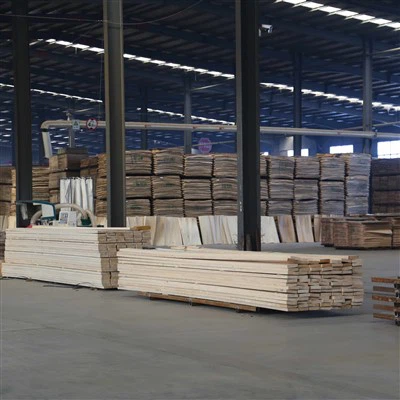
Hey there! As a supplier of structural wood panels formwork, I've been getting a lot of questions lately about the seismic performance of structures using our products. So, I thought I'd take a moment to share some insights on this crucial topic.
First off, let's talk about what seismic performance means. In simple terms, it's how well a structure can withstand the forces generated by an earthquake. Earthquakes are unpredictable and can cause a wide range of ground motions, from gentle swaying to violent shaking. A structure's seismic performance depends on various factors, including its design, materials, and construction methods.
Now, let's dive into how structural wood panels formwork contributes to a structure's seismic performance. One of the key advantages of using our structural wood panels formwork is its flexibility. Wood is a natural material that can bend and deform to some extent without breaking. This flexibility allows the structure to absorb and dissipate the energy generated by an earthquake, reducing the risk of damage.
For example, when an earthquake hits, the ground shakes, and the structure starts to move. If the structure is rigid, the forces can build up and cause the building to collapse. However, if the structure has some flexibility, like a building using our structural wood panels formwork, it can move with the ground motion, distributing the forces more evenly throughout the structure. This helps to prevent concentrated stress points that could lead to failure.
Another important factor is the strength - to - weight ratio of wood. Structural wood panels are relatively lightweight compared to other construction materials like concrete or steel. A lighter structure means that there is less mass for the earthquake forces to act upon. This can significantly reduce the inertial forces generated during an earthquake, making the structure more stable.
Let's take a look at some of our specific products and how they enhance seismic performance. Our Light - weight Wood Board formwork is, as the name suggests, very light. Its low weight not only reduces the overall load on the structure but also makes it easier to install. During an earthquake, the light weight helps the building respond more gracefully to the ground motions.
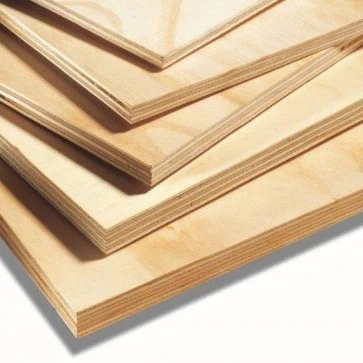
The Easy - to - release Construction Formwork Plywood is another great option. This plywood is designed to be easily removed after the concrete has set. But more than that, it provides a good surface for the concrete to bond with, creating a strong and unified structure. In an earthquake, the strong bond between the formwork and the concrete helps to maintain the integrity of the building.
Our Black Shuttering Plywood for Construction is known for its durability. It can withstand the wear and tear of the construction process and also contribute to the overall strength of the structure. In seismic events, its durability helps the building resist damage from the shaking.
In addition to the material properties, the way we construct the formwork also plays a role in seismic performance. We use advanced construction techniques to ensure that the formwork is properly installed and connected. For instance, we make sure that the joints between the wood panels are tight and secure. This creates a continuous and stable framework for the concrete, which is essential for withstanding seismic forces.
However, it's important to note that while structural wood panels formwork has many benefits for seismic performance, it also needs to be used in conjunction with proper design and engineering. A well - designed structure will take into account the local seismic hazards, the type of soil, and other factors. Our formwork is just one part of the equation, but it can make a significant difference in how a building performs during an earthquake.
Research has shown that buildings constructed with wood - based materials can have excellent seismic performance. A study by [cite a relevant research institution] found that wood - framed buildings were able to withstand significant seismic events with minimal damage. This is because wood has inherent properties that make it well - suited for seismic - prone areas.
So, if you're in the process of planning a construction project in an area with seismic activity, I highly recommend considering our structural wood panels formwork. It offers a combination of flexibility, strength - to - weight ratio, and ease of construction that can enhance the seismic performance of your structure.


If you're interested in learning more about our products or have any questions regarding their use in seismic - resistant construction, don't hesitate to reach out. We're here to help you make the best choice for your project and ensure that your building is safe and durable in the face of earthquakes.
References
- [List relevant academic papers, research reports, or industry standards here]