Shock resistance is a critical property when it comes to construction materials, and Size LVL (Laminated Veneer Lumber) Lumber is no exception. As a supplier of Size LVL Lumber, I've witnessed firsthand the importance of understanding its shock - resistant capabilities. In this blog, we'll delve into what shock resistance means for Size LVL Lumber, how it's measured, and why it matters in various construction applications.
Understanding Shock Resistance
Shock resistance refers to a material's ability to withstand sudden and intense forces without suffering significant damage. In the context of Size LVL Lumber, it's about how well the lumber can handle impacts, whether from accidental collisions during construction, heavy loads dropped onto it, or dynamic forces during natural events like earthquakes.
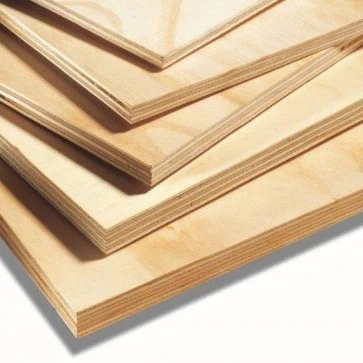
Size LVL Lumber is made by bonding multiple thin layers of wood veneers together with adhesives under high pressure. This manufacturing process gives LVL its unique properties, including enhanced strength and stability. The cross - lamination of the veneers distributes stress more evenly across the material, which is a key factor in its shock - resistant performance.
Measuring Shock Resistance
There are several methods to measure the shock resistance of Size LVL Lumber. One common approach is the Charpy impact test. In this test, a notched specimen of the LVL is struck by a pendulum, and the energy absorbed by the specimen during the impact is measured. A higher energy absorption indicates better shock resistance.
Another method is the drop - weight test. A heavy weight is dropped from a specific height onto the LVL sample, and the damage to the sample is evaluated. This test simulates real - world scenarios where heavy objects might fall onto the lumber.


The results of these tests are crucial for engineers and architects. They use this data to determine whether Size LVL Lumber is suitable for a particular project, especially in areas where shock resistance is a top priority.
Factors Affecting Shock Resistance
Veneer Quality
The quality of the wood veneers used in Size LVL Lumber has a significant impact on its shock resistance. High - quality veneers with fewer defects, such as knots and cracks, provide a more consistent structure. This allows the lumber to better distribute stress during an impact, reducing the likelihood of failure.
Adhesive Strength
The adhesive used to bond the veneers together is also vital. A strong adhesive ensures that the layers of the LVL stay firmly attached during an impact. If the adhesive fails, the layers can delaminate, severely reducing the shock - resistant properties of the lumber.
Lamination Thickness and Configuration
The number of veneer layers and their thickness can affect shock resistance. Generally, a greater number of thinner veneers can provide better shock absorption compared to fewer, thicker veneers. The cross - lamination pattern also plays a role, as it helps to disperse the impact energy in multiple directions.
Applications and the Importance of Shock Resistance
Residential Construction
In residential buildings, Size LVL Lumber is often used for beams, headers, and columns. Shock resistance is important in these applications to ensure the safety of the occupants. For example, during a minor earthquake or if heavy furniture is moved around, the LVL components need to withstand the resulting forces without breaking.
Commercial Construction
Commercial buildings, especially those with large open spaces, rely on Size LVL Lumber for structural support. In a warehouse, for instance, forklifts and other heavy equipment may accidentally collide with the columns or beams. Good shock resistance ensures that the structure remains intact and stable.
Seismic - Prone Areas
In regions prone to earthquakes, shock resistance is of utmost importance. Size LVL Lumber's ability to absorb and distribute seismic energy can help prevent the collapse of buildings. The cross - laminated structure of LVL allows it to flex and bend during an earthquake, rather than breaking suddenly.
Our Size LVL Lumber Offerings
As a supplier, we offer a range of Size LVL Lumber products with excellent shock - resistant properties. Our Good Quality LVL Columns for Structural Columns are made from high - quality veneers and strong adhesives, ensuring they can withstand significant impacts.
Our Environmentally Friendly LVL Columns not only have good shock resistance but also meet environmental standards. They are an ideal choice for sustainable construction projects.
For projects that require high support strength along with shock resistance, our High Support Strength LVL Columns are the perfect solution. These columns are designed to handle heavy loads and sudden impacts.
Why Choose Our Size LVL Lumber?
Quality Assurance
We have strict quality control measures in place to ensure that every piece of Size LVL Lumber we supply meets the highest standards. Our products are tested regularly for shock resistance and other important properties.
Customization
We understand that different projects have different requirements. That's why we offer customization options for our Size LVL Lumber. Whether you need a specific size, thickness, or lamination pattern, we can work with you to meet your needs.
Expert Support
Our team of experts is always available to provide technical support and advice. We can help you choose the right Size LVL Lumber product for your project based on its shock - resistance requirements and other factors.
Contact Us for Procurement
If you're interested in purchasing Size LVL Lumber for your construction project, we'd love to hear from you. Our shock - resistant Size LVL Lumber products can provide the strength and reliability you need. Whether you're a contractor, architect, or developer, we're here to assist you in making the right choice. Reach out to us to start a procurement discussion and learn more about how our products can benefit your project.
References
- ASTM International. (Year). Standard test methods for determining the mechanical properties of wood and wood - based materials.
- Forest Products Laboratory. (Year). Wood handbook: Wood as an engineering material.