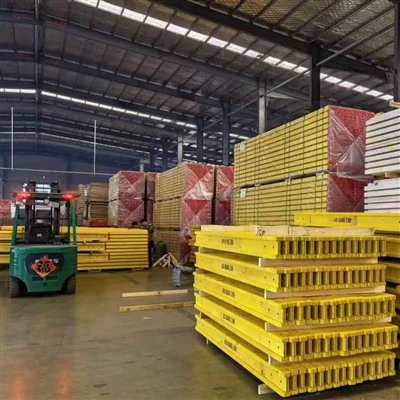
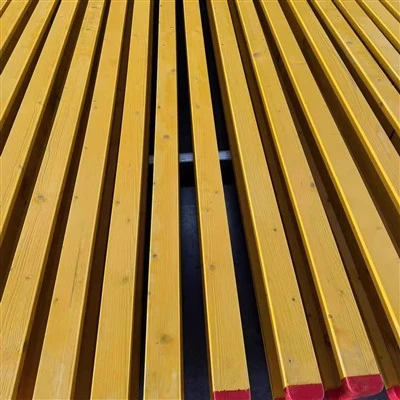
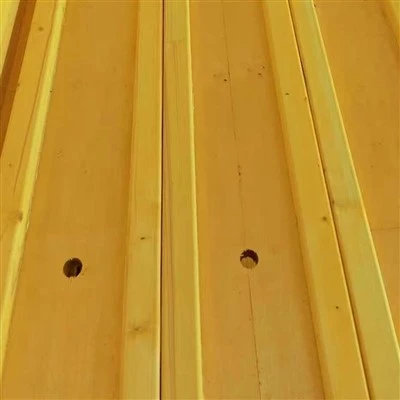
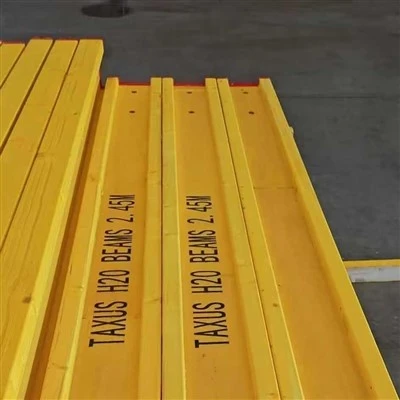
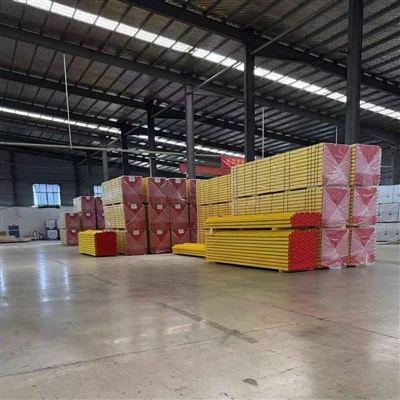
An LVL beam sets off from a Chinese factory, traveling through container loading, ocean freight, customs clearance, and inland transport before finally reaching an overseas construction site. Along the way, it must endure a series of challenges, including high temperatures, high humidity, rough handling, and physical impacts. A growing number of Chinese LVL manufacturers are shifting from a "hands-off after dispatch" approach to "end-to-end protection," ensuring that every beam arrives in pristine condition.
1. Dispatch: Packaging as the First Line of Defense
On the factory floor, once an LVL beam has undergone its final sanding, it moves to the packaging stage. Packaging is far more than just "wrapping it in film"-the moisture-proof film must cover all six sides, with seams sealed securely using tape. At least four steel strapping bands are applied, and every corner is reinforced with protective paper or plastic edge guards.
"Clients may not see the production process, but they do see the packaging," explains a factory manager. "If the packaging is crude, clients will assume the product is, too. If the packaging is meticulous, they'll know the product has been crafted with care."
Each package also features a waterproof label detailing specifications, quantity, batch number, and destination. Printed on synthetic paper, these labels are resistant to moisture and sunlight-remaining clear and legible even after a month at sea.
2. Container Loading: A Strategic "Puzzle" for Space Optimization
Once packaged, the LVL beams are transported to the port for container loading. This is not a simple matter of "stuffing them in"; it is a precise process that requires careful calculation.
Logistics staff at the factory design a loading plan based on the specific dimensions of the order: longer pieces are loaded first, with shorter pieces tucked into the remaining gaps; heavier, denser items are placed at the bottom, while lighter ones go on top. Workers follow a detailed "loading diagram," ensuring that the position and sequence of every bundle are clearly defined. "When a container is loaded efficiently, space utilization can exceed 90%," says a logistics manager. "If it's loaded poorly, that figure might drop to 80%. That 10% difference translates directly into a difference in the client's shipping costs."
3. Ocean Freight: The Longest "Trial Period"
Once loaded onto a vessel, the LVL beams enter their longest "trial period." At sea, the environment is characterized by high salinity and humidity, with significant temperature fluctuations between day and night-often causing condensation to form on the container walls in the early morning. If the packaging is inadequate, moisture can seep in, leading to mold or discoloration of the timber.
This is where moisture-proof film proves its true worth. A heavy-duty film-at least 0.08mm thick-combined with sealed seams, creates a self-contained "microclimate." While the outside is buffeted by damp sea air, the interior remains a dry environment for the timber.
"Once, a client sent us a photo after receiving their shipment: the protective film was covered in water droplets, but the timber inside was completely dry," a sales manager recalls. "The client remarked, 'Your packaging saved my cargo.'"
4. Arrival: Customs Clearance and the "Last Mile" of Inland Transport
Upon arrival at the port, the LVL beams must still undergo customs clearance, cargo retrieval, and inland transport. Although this phase is relatively short, it carries significant risks-cargo stored in open-air terminal yards may be exposed to rain, while the jolts and vibrations of road transport can cause securing straps to loosen.
Proactive factories often reach out to clients as the shipment nears its destination: "Your cargo is arriving soon-please have your customs clearance documents ready," or "If it rains at the port, we recommend moving the goods into a warehouse as soon as they are picked up." These thoughtful reminders help clients avoid a host of potential problems. "Once, a client didn't move the shipment into storage immediately after picking it up; it sat at the dock for two days and got caught in the rain," a foreign trade manager recounted. "The client sent photos showing the protective film had torn. Looking closely, we realized the strapping bands had chafed through the film during transit. We immediately sent replacement packaging materials and offered a gentle reminder for the future. The client has remained a great partner ever since."
5. Arrival at the Job Site: The Moment of Truth During Unpacking
When a client unpacks the shipment at a construction site and finds the LVL beams dry, flat, and undamaged-that is the true test of a factory's packaging and logistics system.
"The expression on a client's face when they unpack the goods is the ultimate grade for our work," says a factory manager. "If they see everything neat and clean, they'll think, 'This factory is reliable.' If they find damaged or damp goods, they likely won't come back to you."
Some factories even include a small card inside the packaging: "Thank you for your trust. Please feel free to contact us if you have any questions." The card typically includes the salesperson's contact information along with some basic storage recommendations.
The journey of an LVL beam-from the factory to the construction site-spans thousands of kilometers and takes weeks. A factory's responsibility extends beyond merely manufacturing the product; it must also ensure the product reaches the client in perfect condition. When Chinese LVL manufacturers invest effort into the "unseen" aspects-such as packaging, container loading, logistics, and proactive communication-they are delivering more than just a product; they are delivering peace of mind and building trust.