Are anti - corrosion LVL columns support easy to clean?
As a supplier of Anti - corrosion LVL Columns Support, I often get asked about the ease of cleaning these products. In this blog, I'll delve into this topic, exploring the factors that influence the cleaning process and sharing some practical tips.
Understanding Anti - corrosion LVL Columns Support
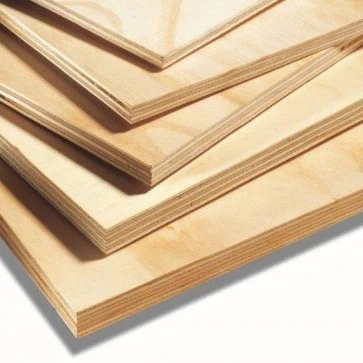
Before we discuss cleaning, let's briefly understand what Anti - corrosion LVL (Laminated Veneer Lumber) Columns Support are. LVL is an engineered wood product made by bonding multiple layers of thin wood veneers together with adhesives. The anti - corrosion treatment enhances its durability, making it suitable for various construction applications, especially in environments where moisture and decay are concerns.
These columns offer high strength and stability, making them a popular choice for supporting roofs, floors, and other structural elements. They are used in both residential and commercial buildings, providing reliable support while maintaining an aesthetically pleasing appearance.
Factors Affecting the Ease of Cleaning
Surface Finish
The surface finish of Anti - corrosion LVL Columns Support plays a significant role in how easy they are to clean. A smooth, sealed surface is generally easier to clean than a rough or porous one. Sealed surfaces prevent dirt and grime from penetrating the wood, allowing for simple wiping or washing. Some manufacturers offer columns with a clear finish that not only protects the wood but also gives it a sleek look, making it easier to maintain.
On the other hand, if the columns have a textured or unfinished surface, dirt can get trapped in the crevices, making cleaning more challenging. In such cases, additional cleaning tools or methods may be required to reach and remove the dirt.
Location and Exposure
The location of the columns and their exposure to the elements also impact cleaning. Columns located outdoors are more likely to be exposed to dirt, dust, pollen, and other environmental contaminants. They may also be subject to weather conditions such as rain, snow, and sunlight, which can cause discoloration and the growth of mold or mildew.
Indoor columns, while generally less exposed to the elements, can still accumulate dust, pet hair, and other debris. However, the cleaning process for indoor columns is often simpler, as they are not exposed to the same level of environmental stress.
Type of Contaminants
The type of contaminants that the columns come into contact with affects the cleaning process. For example, dirt and dust can usually be removed with a dry or slightly damp cloth. Grease and oil stains, on the other hand, may require a more specialized cleaning solution. If the columns are in a kitchen or industrial setting, they may be more prone to grease and oil stains, which can be more difficult to clean.
Mold and mildew growth is another concern, especially in damp environments. These contaminants not only affect the appearance of the columns but can also pose health risks. Cleaning mold and mildew requires a solution that is specifically designed to kill these organisms.
Cleaning Methods for Anti - corrosion LVL Columns Support
Regular Dusting
Regular dusting is the simplest and most effective way to keep Anti - corrosion LVL Columns Support clean. Use a soft, dry cloth or a feather duster to remove dust from the surface of the columns. This should be done at least once a week, or more frequently in dusty environments.
Spot Cleaning
For small stains or spills, spot cleaning can be done using a slightly damp cloth. Gently wipe the affected area with the cloth, being careful not to saturate the wood. If the stain persists, you can use a mild soap solution. Mix a small amount of mild dish soap with water and apply it to the stain using a soft cloth. Rinse the area with clean water and dry it thoroughly.
Deep Cleaning
For more thorough cleaning, especially for columns that have been exposed to heavy dirt or grime, a deeper cleaning method may be required. You can use a wood cleaner that is specifically formulated for LVL products. Follow the manufacturer's instructions carefully when using these cleaners, as some may require dilution or specific application methods.
When deep cleaning, it's important to protect the surrounding area to prevent damage from the cleaning solution. You may also want to test the cleaner on a small, inconspicuous area of the column first to ensure that it does not cause any discoloration or damage.
Removing Mold and Mildew
If you notice mold or mildew growth on the columns, it's important to address it promptly. You can use a solution of bleach and water to kill the mold and mildew. Mix one part bleach with three parts water and apply it to the affected area using a spray bottle or a sponge. Let the solution sit on the surface for a few minutes, then scrub the area gently with a soft brush. Rinse the area thoroughly with clean water and dry it completely.
It's important to wear protective gear, such as gloves and a mask, when working with bleach solutions to avoid skin and respiratory irritation.
Tips for Easy Cleaning and Maintenance
Preventive Measures
Taking preventive measures can help reduce the frequency and difficulty of cleaning. For outdoor columns, consider using a protective coating or sealant to prevent dirt and moisture from penetrating the wood. You can also install gutters and downspouts to direct water away from the columns, reducing the risk of water damage and mold growth.
For indoor columns, use area rugs or mats to catch dirt and debris before it reaches the columns. Regularly vacuum or clean these rugs to prevent the accumulation of dirt.
Regular Inspections
Regularly inspect the columns for any signs of damage, discoloration, or contamination. Early detection of problems can make the cleaning and maintenance process easier and more effective. If you notice any issues, address them promptly to prevent further damage.
Conclusion
In conclusion, Anti - corrosion LVL Columns Support can be relatively easy to clean, depending on various factors such as surface finish, location, and type of contaminants. By understanding these factors and following the appropriate cleaning methods and maintenance tips, you can keep your columns looking their best for years to come.
If you're in the market for high - quality Anti - corrosion LVL Columns Support, we offer a range of products to meet your needs. Check out our Pine Poplar LVL Lumber for Roof Construction, High Support Strength LVL Columns, and E0 LVL Columns for Roof Construction. We're here to provide you with the best products and support for your construction projects. If you have any questions or would like to discuss your requirements, feel free to reach out and start a procurement negotiation.


References
- "Laminated Veneer Lumber: Properties and Performance" - Forest Products Laboratory
- "Wood Cleaning and Maintenance Guide" - American Wood Council