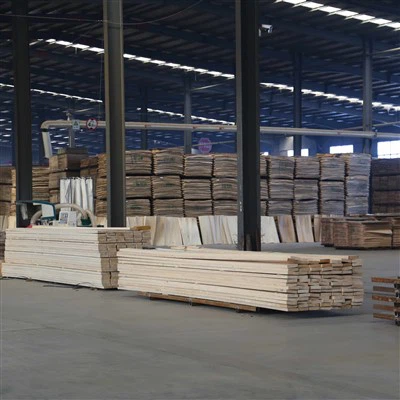
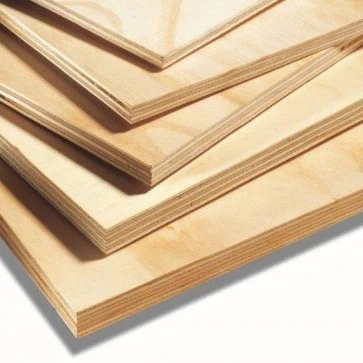
As a supplier of light - weight wood board formwork, I understand the importance of proper storage to prevent damage. Light - weight wood board formwork is a popular choice in the construction industry due to its ease of handling, cost - effectiveness, and environmental friendliness. However, if not stored correctly, it can be prone to various types of damage, such as warping, cracking, and fungal growth. In this blog, I will share some scientific and practical methods on how to store light - weight wood board formwork to prevent damage.
1. Choose the Right Storage Location
The first step in storing light - weight wood board formwork is to select an appropriate location. This location should be dry, well - ventilated, and protected from direct sunlight and extreme weather conditions.
Dry Environment
Moisture is one of the biggest enemies of wood board formwork. High humidity can cause the wood to absorb water, leading to swelling, warping, and the growth of mold and mildew. Therefore, the storage area should have a relatively low humidity level. If possible, choose a location with a humidity control system. For example, a warehouse with dehumidifiers can help maintain a stable humidity environment.
Good Ventilation
Proper ventilation is essential to prevent the accumulation of moisture and stale air. Good air circulation can help keep the wood dry and reduce the risk of fungal growth. Ensure that the storage area has enough vents or fans to promote air movement. For instance, if the formwork is stored in a shed, make sure there are openings on the sides to allow fresh air to enter and moist air to escape.
Protection from Sunlight and Weather
Direct sunlight can cause the wood to dry out too quickly, leading to cracking and splitting. Extreme weather conditions such as heavy rain, snow, and strong winds can also damage the formwork. Therefore, the storage location should be covered. A closed warehouse or a covered shed is ideal. If outdoor storage is unavoidable, use tarps or other protective covers to shield the formwork from the elements.
2. Prepare the Storage Surface
The surface on which the light - weight wood board formwork is stored is also crucial. It should be flat, clean, and stable.
Flat Surface
A flat surface ensures that the formwork is evenly supported. If the surface is uneven, the formwork may warp over time due to uneven pressure. Before storing the formwork, check the storage surface for any bumps or depressions. If necessary, level the surface using materials such as sand or gravel.
Clean Surface
A clean surface prevents dirt, debris, and other contaminants from scratching or staining the formwork. Remove any dust, leaves, or other particles from the storage area before placing the formwork. This can be done by sweeping or using a vacuum cleaner.
Stable Surface
The storage surface should be stable enough to support the weight of the formwork. Avoid storing the formwork on soft or unstable ground, as this can cause the formwork to sink or shift. If the storage area is on soil, consider using pallets or concrete pads to provide a stable base.
3. Stacking the Formwork Correctly
Proper stacking of the light - weight wood board formwork can prevent damage and make the most of the storage space.
Use Pallets
Pallets are a great way to elevate the formwork off the ground and improve air circulation. Place the formwork on pallets to prevent it from coming into direct contact with the storage surface, which may be damp or dirty. Make sure the pallets are in good condition and can support the weight of the formwork.
Stacking Height
Do not stack the formwork too high. Excessive stacking height can put too much pressure on the bottom layers, leading to crushing or warping. The maximum stacking height depends on the strength and thickness of the formwork. As a general rule, for most light - weight wood board formwork, a stacking height of 3 - 4 meters is recommended.


Alignment
When stacking the formwork, ensure that the boards are properly aligned. Misaligned stacking can cause uneven pressure distribution and increase the risk of damage. Use guides or markers to help align the boards during stacking.
4. Protect the Formwork from Physical Damage
In addition to environmental factors, physical damage can also occur during storage. Take the following measures to protect the formwork from physical damage.
Separate Layers
To prevent the formwork from scratching or rubbing against each other, separate the layers with soft materials such as cardboard or foam. This can also help distribute the pressure evenly.
Avoid Overcrowding
Do not overcrowd the storage area. Leave enough space between the stacks to allow for easy access and movement. Overcrowding can increase the risk of accidental collisions and damage to the formwork.
Secure the Stacks
Use straps or ropes to secure the stacks of formwork. This can prevent the stacks from toppling over during handling or in case of an earthquake or other vibrations.
5. Regular Inspection and Maintenance
Regular inspection and maintenance are essential to ensure the quality of the light - weight wood board formwork during storage.
Visual Inspection
Conduct regular visual inspections of the formwork. Check for any signs of damage, such as warping, cracking, or fungal growth. If any damage is detected, take appropriate measures immediately, such as separating the damaged boards or treating the affected areas.
Cleaning
Periodically clean the formwork to remove any dust, dirt, or debris that may have accumulated. Use a soft brush or a damp cloth to clean the surface. Avoid using harsh chemicals that may damage the wood.
Treatment
If necessary, apply a protective treatment to the formwork to prevent fungal growth and moisture absorption. There are various wood preservatives available on the market that can be applied to the formwork. Follow the manufacturer's instructions when applying these treatments.
In conclusion, proper storage of light - weight wood board formwork is crucial to prevent damage and ensure its quality. By choosing the right storage location, preparing the storage surface, stacking the formwork correctly, protecting it from physical damage, and conducting regular inspection and maintenance, you can significantly extend the lifespan of the formwork.
If you are interested in our high - quality light - weight wood board formwork, you can visit our product pages for more information. Check out Best Quality Structural Panels Formwork for Engineering, Size Structural Wood Panels Formwork, and Eco Frendliy Wood Panels Formwork Waterproof. We are always ready to discuss your specific requirements and provide you with the best solutions. Contact us for procurement and let's start a great cooperation!
References
- "Wood Handbook: Wood as an Engineering Material", Forest Products Laboratory
- "Construction Formwork and Scaffolding Handbook", McGraw - Hill Education