Hey there, fellow builders and construction enthusiasts! As a supplier of High Support Strength LVL Columns, I'm often asked if these columns are compatible with other building materials. Well, let's dive right into it and explore this important question.
1. Understanding High Support Strength LVL Columns
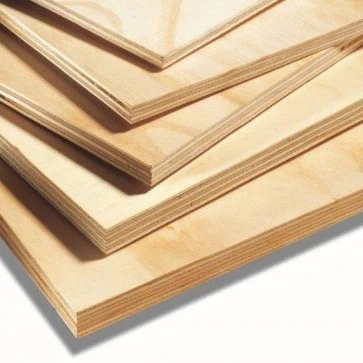
First off, let me give you a quick rundown of what High Support Strength LVL (Laminated Veneer Lumber) Columns are. These columns are made by gluing thin layers of wood veneers together, creating a strong, stable, and dimensionally consistent product. They're known for their high strength - to - weight ratio, which makes them a great choice for a wide range of construction projects.
The way we manufacture these columns ensures that they can handle heavy loads. Whether it's a single - family home or a multi - story commercial building, High Support Strength LVL Columns are up to the task. They offer more strength than traditional solid wood columns, and they're also less likely to warp, twist, or split.
2. Compatibility with Wood
One of the most obvious pairings is with other types of wood. Since LVL is made from wood veneers, it's super compatible with different wood species commonly used in construction. For example, if you're building a timber frame house, you can use our High Support Strength LVL Columns alongside regular framing lumber.
The great thing about combining them is that they share similar physical properties. They expand and contract at a similar rate with changes in temperature and humidity, which means there won't be any major issues with material movement over time. You can easily fasten LVL columns to wooden beams and joists using nails, screws, or metal connectors. This makes the construction process smooth and efficient.
3. Compatibility with Steel
Steel is another popular building material, and High Support Strength LVL Columns can work well with it. In some modern construction designs, you might see a combination of steel and wood elements. Our LVL columns can be used in conjunction with steel beams to create a hybrid structural system.
When connecting LVL columns to steel, we usually use specialized metal brackets and connectors. These connectors are designed to transfer the loads effectively between the two materials. The steel provides high tensile strength, while the LVL columns offer good compressive strength. This combination can result in a very strong and stable structure. For example, in a large - span building, steel beams can span long distances, and LVL columns can support the vertical loads at strategic points.
4. Compatibility with Concrete
Concrete is a heavy - duty building material, and you might wonder if LVL columns can play nice with it. The answer is yes! In some construction scenarios, you can use High Support Strength LVL Columns in combination with concrete footings or slabs.
The base of the LVL column can be securely anchored to a concrete footing. This provides a stable foundation for the column and helps distribute the load evenly into the ground. We often use anchor bolts to connect the LVL column to the concrete. Additionally, when constructing a building with a concrete slab on the ground floor, you can use LVL columns to support the upper floors. The LVL columns can be placed on top of the slab, and proper connection details ensure that the load is transferred safely from the columns to the slab.
5. Compatibility with Masonry
Masonry, such as bricks or blocks, is also a common building material in many regions. High Support Strength LVL Columns can be integrated into masonry structures. For instance, in a building where the exterior walls are made of brick or block, the LVL columns can be used internally to support the roof or upper floors.
We can use metal ties or connectors to attach the LVL columns to the masonry walls. This helps in stabilizing the columns and ensuring that the entire structure works as a unified system. The combination of the durability of masonry and the strength of LVL columns can result in a long - lasting and aesthetically pleasing building design.
6. Specialized LVL Columns for Different Environments
We also offer specialized LVL columns for different environmental conditions. For example, our Anti-corrosion LVL Columns Support are treated to resist corrosion. These are great for use in coastal areas or in buildings where there's a risk of exposure to chemicals.
Our High-performance LVL Building Materials are designed for projects that require even higher strength and performance. They can be used in combination with other high - end building materials in commercial or industrial construction.
And if you're building a balcony, our Moisture-resistant Balcony LVL Columns are a perfect choice. They're treated to resist moisture, which is crucial in an outdoor environment.
7. Conclusion and Call to Action
In conclusion, High Support Strength LVL Columns are incredibly versatile and compatible with a wide range of building materials. Whether you're using wood, steel, concrete, or masonry, there are ways to integrate our LVL columns into your construction project seamlessly.


If you're planning a new building project and looking for reliable and high - quality support columns, we'd love to chat. We can provide you with all the information you need, help you choose the right type of LVL columns for your specific project, and give you advice on how to best combine them with other building materials.
Don't hesitate to reach out to us to discuss your procurement needs. We're here to make your construction process easier and more successful!
References
- Brandt, A. (2006). Wood and Wood - Based Composites: Materials Science and Engineering. CRC Press.
- Samuel V. Glass, S. K. (2010). Wood Handbook: Wood as an Engineering Material. Forest Products Society.