As a supplier of indoor structural plywood, I'm often asked about how this material responds to temperature changes. Understanding whether indoor structural plywood expands or contracts with temperature variations is crucial for architects, contractors, and DIY enthusiasts alike, as it can significantly impact the performance and durability of any project.
The Science Behind Wood's Reaction to Temperature
Wood, the primary component of indoor structural plywood, is a hygroscopic material. This means it can absorb and release moisture from the surrounding environment. The moisture content of wood is directly related to the relative humidity and temperature of its surroundings. When the temperature rises, the wood's moisture content typically decreases as the moisture evaporates. Conversely, when the temperature drops, the wood may absorb moisture from the air.


The expansion and contraction of wood occur mainly due to changes in its moisture content. As wood absorbs moisture, its cells swell, causing the wood to expand. When it loses moisture, the cells shrink, leading to contraction. Temperature changes can also cause direct thermal expansion and contraction, but this effect is generally less significant than the changes caused by moisture.
Expansion and Contraction in Indoor Structural Plywood
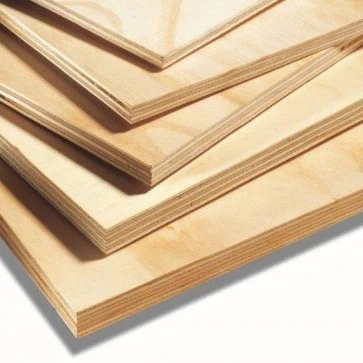
Indoor structural plywood is made by bonding multiple layers of wood veneers together with adhesives. The cross - lamination of these veneers gives plywood its strength and stability. However, it doesn't completely eliminate the effects of temperature and moisture changes.
When the temperature increases in an indoor environment, the plywood may start to lose moisture. This loss of moisture can cause the plywood to contract. In hot and dry conditions, the contraction can be more pronounced. For example, in a room with a high - temperature heating system during winter, the indoor structural plywood used for wall panels or flooring may shrink slightly. This contraction can lead to gaps between the plywood sheets, especially if they were installed tightly together without allowing for any expansion and contraction space.
On the other hand, when the temperature drops and the relative humidity increases, the plywood may absorb moisture from the air. This absorption causes the plywood to expand. In a cold and humid environment, such as a basement in a damp climate, the indoor structural plywood may swell. This expansion can lead to warping, buckling, or even delamination if the plywood is restricted from expanding freely.
Impact on Different Applications
- Flooring: In indoor flooring applications, the expansion and contraction of structural plywood are of particular concern. If the plywood subflooring contracts during a hot and dry season, the floorboards installed on top may become loose, leading to creaking noises and an uneven surface. Conversely, expansion during a cold and humid period can cause the floorboards to push against each other, resulting in buckling or cupping. To mitigate these issues, a proper expansion gap should be left around the perimeter of the floor during installation.
- Wall Panels: For wall panels made of indoor structural plywood, temperature - related expansion and contraction can affect the overall appearance and integrity of the wall. Contraction may create visible gaps between the panels, while expansion can cause the panels to bow or crack. Adequate installation methods, such as using flexible fasteners and allowing for movement, are essential to prevent these problems.
- Cabinetry: Indoor structural plywood used in cabinetry can also be affected by temperature changes. Expansion may cause the cabinet doors to become difficult to open or close, while contraction can lead to gaps between the cabinet components. Manufacturers often take these factors into account by using proper joinery techniques and allowing for some flexibility in the design.
Our Solutions as a Supplier
At our company, we understand the challenges posed by temperature - induced expansion and contraction in indoor structural plywood. We offer a range of high - quality products designed to minimize these effects.
- Original Factory Structural Plywood Size: Our original factory - sized plywood is carefully manufactured to ensure consistent quality and dimensions. This helps in reducing the variability in expansion and contraction across different sheets, providing a more stable base for your projects.
- High Load - bearing Capacity Structural Plywood: Our high - load - bearing capacity plywood is engineered to withstand the stresses caused by movement due to temperature changes. It has a strong cross - laminated structure that resists warping and buckling, making it a reliable choice for various indoor applications.
- Eco Frendliy Structural Plywood In: Our eco - friendly plywood is treated to have better moisture resistance. This reduces the impact of moisture absorption and release, thereby minimizing the extent of expansion and contraction. It is also a sustainable option for environmentally conscious projects.
Tips for Controlling Expansion and Contraction
- Proper Installation: Ensure that there is an appropriate expansion gap around the plywood during installation. This gap allows the plywood to expand and contract without causing damage to the surrounding structures.
- Environmental Control: Maintain a stable indoor environment in terms of temperature and humidity. Using a humidifier or dehumidifier can help keep the moisture level within an optimal range for the plywood.
- Pre - acclimation: Let the plywood acclimate to the indoor environment for a few days before installation. This allows the plywood to reach a moisture equilibrium with the surrounding air, reducing the potential for excessive expansion or contraction after installation.
Conclusion
In conclusion, indoor structural plywood does expand and contract with temperature changes, primarily due to its hygroscopic nature and the associated changes in moisture content. While these effects are inevitable, proper understanding, product selection, and installation techniques can help minimize the negative impacts.
As a leading supplier of indoor structural plywood, we are committed to providing you with the highest - quality products and professional advice. Whether you are working on a small DIY project or a large - scale construction, our products can meet your needs. If you are interested in purchasing our indoor structural plywood or have any questions about how to deal with temperature - related issues, please feel free to contact us. We are looking forward to discussing your requirements and assisting you in your next project.
References
- Bowyer, J., Smulski, R., & Haygreen, J. (2007). Forest Products and Wood Science: An Introduction. Wiley - Blackwell.
- Hoadley, R. B. (2000). Understanding Wood: A Craftsman's Guide to Wood Technology. The Taunton Press.
- Winandy, J. E., & Rowell, R. M. (2005). Wood Handbook: Wood as an Engineering Material. U.S. Department of Agriculture, Forest Service.