Laminated veneer lumber (LVL) beams have become a staple in modern construction, valued for their strength, versatility, and cost - effectiveness. As a supplier of LVL beams, I often get asked about the lifespan of these essential building materials. In this blog post, I'll delve into the factors that influence the lifespan of an LVL beam and provide some insights into how long you can expect them to last.
Understanding Laminated Veneer Lumber Beams
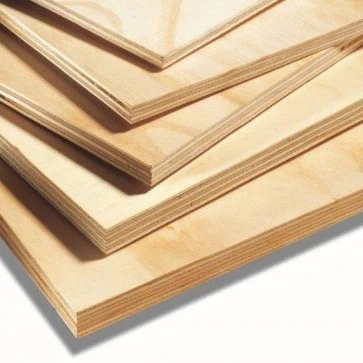
Before discussing the lifespan, it's important to understand what LVL beams are. LVL beams are made by bonding multiple thin layers of wood veneers together with adhesives under high pressure and heat. This manufacturing process results in a product that is stronger and more dimensionally stable than solid wood. LVL beams are commonly used in a variety of construction applications, including floor joists, roof rafters, and headers.
Factors Affecting the Lifespan of LVL Beams
- Quality of Materials and Manufacturing
The quality of the wood veneers and adhesives used in the manufacturing process plays a significant role in determining the lifespan of an LVL beam. High - quality veneers with fewer defects and strong, durable adhesives will result in a beam that can withstand the test of time. At our company, we source the finest wood veneers and use state - of - the - art adhesives to ensure the longevity of our Stable Support LVL Beam for Lintels. - Environmental Conditions
The environment in which the LVL beam is installed has a major impact on its lifespan. Exposure to moisture, extreme temperatures, and chemicals can all degrade the beam over time. For example, if an LVL beam is installed in a damp basement without proper moisture protection, it may be at risk of rot and fungal growth. On the other hand, LVL beams installed in a dry, climate - controlled environment are likely to last much longer. - Load and Usage
The amount of load that an LVL beam is designed to carry and how it is used also affect its lifespan. If a beam is overloaded or subjected to excessive stress, it may experience premature failure. It's crucial to ensure that the LVL beam is properly sized and installed according to the structural requirements of the project. Our Super Stable LVL Beam is engineered to handle heavy loads and is suitable for a wide range of applications. - Maintenance
Regular maintenance can significantly extend the lifespan of an LVL beam. This includes inspecting the beam for signs of damage, such as cracks or delamination, and taking appropriate measures to repair any issues. Additionally, protecting the beam from environmental factors, such as applying a waterproof coating, can help prevent deterioration.
Typical Lifespan of LVL Beams
Under normal conditions, with proper installation, maintenance, and in a suitable environment, an LVL beam can last for several decades. In fact, many LVL beams can be expected to have a lifespan of 50 years or more. However, it's important to note that this is a general estimate, and the actual lifespan can vary depending on the factors mentioned above.
For example, in a residential construction project where the LVL beams are used as floor joists in a dry, well - maintained home, they can easily last for the entire lifespan of the building. On the other hand, in a commercial or industrial setting where the beams are exposed to more harsh conditions, their lifespan may be somewhat shorter.
Case Studies
Let's take a look at some real - world examples to illustrate the lifespan of LVL beams. In a large office building project, The Span Master LVL Engineering Beam was used for the roof structure. The building was located in a temperate climate with relatively low humidity. After 30 years, a structural inspection found that the LVL beams were in excellent condition, showing only minor signs of wear. This demonstrates that with proper design and installation, LVL beams can provide long - term structural support.
In another case, a warehouse used LVL beams in its mezzanine floor. However, due to a leaky roof, the beams were exposed to water for an extended period. As a result, some of the beams started to show signs of rot and damage within a few years. This example highlights the importance of protecting LVL beams from moisture and other environmental hazards.
Extending the Lifespan of LVL Beams
To maximize the lifespan of LVL beams, here are some tips:
- Proper Design and Sizing
Work with a qualified structural engineer to ensure that the LVL beams are properly designed and sized for the specific application. This will prevent overloading and ensure that the beams can handle the expected loads. - Installation Best Practices
Follow the manufacturer's installation instructions carefully. This includes using the correct fasteners, providing adequate support, and ensuring proper alignment. Improper installation can lead to stress concentrations and premature failure. - Moisture Protection
Take steps to protect the LVL beams from moisture. This can include using waterproof membranes, applying sealants, and ensuring proper ventilation in areas where the beams are installed. - Regular Inspections
Schedule regular inspections of the LVL beams to check for any signs of damage or deterioration. Early detection of problems can allow for timely repairs and prevent further damage.
Conclusion
The lifespan of a laminated veneer lumber beam can vary depending on a variety of factors, including the quality of materials, environmental conditions, load and usage, and maintenance. Under normal conditions and with proper care, LVL beams can last for several decades, providing reliable structural support.
As a supplier of high - quality LVL beams, we are committed to providing products that meet the highest standards of quality and durability. Our Stable Support LVL Beam for Lintels, Super Stable LVL Beam, and The Span Master LVL Engineering Beam are all designed to offer long - lasting performance.
If you are planning a construction project and are considering using LVL beams, we encourage you to contact us to discuss your specific needs. Our team of experts can provide you with detailed information about our products and help you make the right choice for your project. Whether you are building a small home or a large commercial complex, our LVL beams can provide the stable support you need.


References
- Forest Products Laboratory. (2010). Wood Handbook: Wood as an Engineering Material.
- American Wood Council. (2018). National Design Specification for Wood Construction.