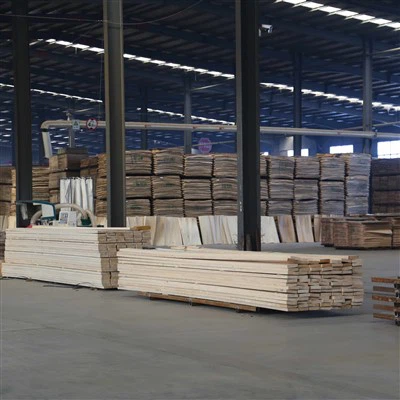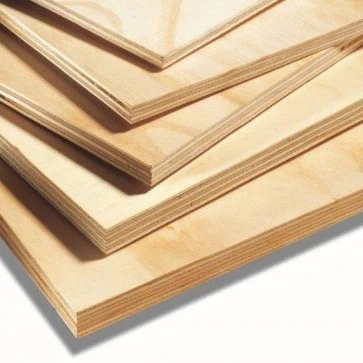
As a supplier of High Support Strength LVL (Laminated Veneer Lumber) Columns, I've often been asked about the recyclability of these products. In this blog post, I'll explore the topic in depth, discussing the factors that influence the recyclability of High Support Strength LVL Columns, the recycling processes involved, and the environmental benefits of recycling these columns.


Understanding High Support Strength LVL Columns
High Support Strength LVL Columns are engineered wood products made by bonding multiple layers of thin wood veneers together with adhesives. These columns are known for their high strength, dimensional stability, and resistance to warping, making them ideal for a variety of structural applications, including residential and commercial construction.
LVL columns are typically made from softwood species such as pine and poplar, which are abundant and renewable resources. The manufacturing process involves peeling the logs into thin veneers, drying them, and then gluing them together under high pressure and temperature. The resulting product is a strong and durable column that can support heavy loads.
Factors Affecting the Recyclability of High Support Strength LVL Columns
The recyclability of High Support Strength LVL Columns depends on several factors, including the type of adhesive used, the presence of contaminants, and the condition of the columns.
- Adhesive Type: The type of adhesive used in the manufacturing process can have a significant impact on the recyclability of LVL columns. Some adhesives, such as urea-formaldehyde (UF) and phenol-formaldehyde (PF), are commonly used in the production of LVL columns. These adhesives can release formaldehyde, a known carcinogen, during the recycling process. As a result, columns bonded with these adhesives may require special handling and treatment to ensure safe recycling.
- Contaminants: The presence of contaminants, such as nails, screws, and other metal fasteners, can also affect the recyclability of LVL columns. These contaminants can damage the recycling equipment and reduce the quality of the recycled material. Therefore, it is important to remove all metal fasteners and other contaminants before recycling the columns.
- Condition of the Columns: The condition of the columns also plays a role in their recyclability. Columns that are severely damaged or have been exposed to moisture may not be suitable for recycling. In addition, columns that have been treated with chemicals or preservatives may require special handling and treatment to ensure safe recycling.
Recycling Processes for High Support Strength LVL Columns
There are several recycling processes available for High Support Strength LVL Columns, including mechanical recycling, chemical recycling, and energy recovery.
- Mechanical Recycling: Mechanical recycling involves breaking down the LVL columns into smaller pieces and then using them as raw material for the production of new wood products. This process typically involves shredding the columns into chips or fibers, which can then be used to make particleboard, fiberboard, or other engineered wood products.
- Chemical Recycling: Chemical recycling involves breaking down the LVL columns into their constituent parts using chemical processes. This process typically involves dissolving the columns in a solvent and then separating the wood fibers from the adhesive. The wood fibers can then be used to make new wood products, while the adhesive can be recycled or disposed of safely.
- Energy Recovery: Energy recovery involves using the LVL columns as a source of energy. This process typically involves burning the columns in a biomass boiler or incinerator to generate heat or electricity. While energy recovery is a viable option for recycling LVL columns, it is important to ensure that the combustion process is carried out in a controlled environment to minimize the release of pollutants.
Environmental Benefits of Recycling High Support Strength LVL Columns
Recycling High Support Strength LVL Columns offers several environmental benefits, including reducing the demand for virgin wood, conserving natural resources, and reducing greenhouse gas emissions.
- Reduced Demand for Virgin Wood: Recycling LVL columns reduces the demand for virgin wood, which helps to conserve forests and protect biodiversity. By using recycled wood products, we can reduce the pressure on natural forests and ensure that they are managed sustainably.
- Conservation of Natural Resources: Recycling LVL columns also helps to conserve natural resources, such as water and energy. The manufacturing process for LVL columns requires a significant amount of water and energy, and recycling these columns can help to reduce the amount of resources required to produce new wood products.
- Reduced Greenhouse Gas Emissions: Recycling LVL columns can also help to reduce greenhouse gas emissions. The manufacturing process for LVL columns generates a significant amount of greenhouse gas emissions, and recycling these columns can help to reduce the amount of emissions associated with the production of new wood products.
Conclusion
In conclusion, High Support Strength LVL Columns can be recycled, but the recyclability of these columns depends on several factors, including the type of adhesive used, the presence of contaminants, and the condition of the columns. There are several recycling processes available for LVL columns, including mechanical recycling, chemical recycling, and energy recovery. Recycling LVL columns offers several environmental benefits, including reducing the demand for virgin wood, conserving natural resources, and reducing greenhouse gas emissions.
As a supplier of High Support Strength LVL Columns, I am committed to promoting sustainable practices and reducing the environmental impact of our products. We offer a range of Pine Poplar LVL Lumber for Roof Construction and Size LVL Lumber that are made from renewable resources and can be recycled at the end of their useful life. We also offer LVL Columns - Ready To Use that are pre-cut and pre-drilled for easy installation.
If you are interested in learning more about our High Support Strength LVL Columns or would like to discuss your specific requirements, please contact us. We would be happy to provide you with more information and help you find the right solution for your project.
References
- American Wood Council. (2018). National Design Specification for Wood Construction.
- Forest Products Laboratory. (2010). Wood Handbook: Wood as an Engineering Material.
- International Code Council. (2018). International Building Code.