In the realm of modern construction, the choice of building materials plays a pivotal role in determining the structural integrity, durability, and overall performance of a project. One such material that has gained significant attention in recent years is High Support Strength LVL (Laminated Veneer Lumber) Columns. As a supplier of these high - quality columns, I often encounter the question: Can High Support Strength LVL Columns be used in tension - dominated structures? In this blog post, we will delve into this topic, exploring the properties of LVL columns, the nature of tension - dominated structures, and the feasibility of using LVL columns in such environments.
Understanding High Support Strength LVL Columns
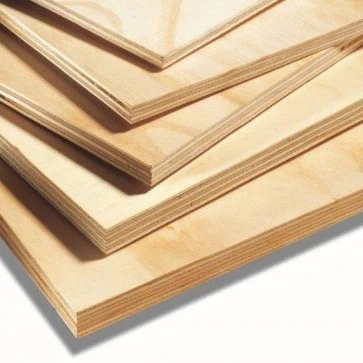
High Support Strength LVL Columns are engineered wood products made by bonding multiple thin layers of veneer together with adhesives. These layers are typically arranged with their grain directions parallel to each other, which results in a material with high strength and stiffness properties. High Support Strength LVL Columns offer several advantages over traditional solid wood columns. They have a more uniform structure, which reduces the risk of defects such as knots and splits. This uniformity also allows for more accurate engineering and design, as the material properties can be more precisely predicted.
The manufacturing process of LVL columns involves carefully selecting the veneers, treating them to enhance their durability, and then bonding them under high pressure and temperature. The resulting product has excellent load - bearing capacity, making it suitable for a wide range of applications in construction, including residential, commercial, and industrial buildings.
Tension - Dominated Structures
Tension - dominated structures are those in which the primary forces acting on the structural members are tensile forces. These forces tend to stretch or pull the members apart. Examples of tension - dominated structures include suspension bridges, cable - stayed towers, and some types of trusses. In these structures, the materials used must have high tensile strength to resist the pulling forces without failing.
The behavior of materials under tension is different from their behavior under compression. When a material is subjected to tension, it experiences elongation, and if the tensile stress exceeds the material's ultimate tensile strength, it will fracture. Therefore, the selection of materials for tension - dominated structures requires careful consideration of their tensile properties.
Can High Support Strength LVL Columns be Used in Tension - Dominated Structures?
The answer to this question is not straightforward and depends on several factors.
Material Properties
LVL columns are known for their high compressive strength, which makes them well - suited for applications where they are primarily subjected to compressive forces, such as in vertical load - bearing columns. However, their tensile strength is also a crucial factor when considering their use in tension - dominated structures.
The tensile strength of LVL columns is influenced by the quality of the veneers, the type of adhesive used, and the manufacturing process. In general, LVL has a relatively good tensile strength parallel to the grain direction. However, compared to some metals and other high - strength materials commonly used in tension - dominated structures, the tensile strength of LVL may be lower.
Design Considerations
When designing a structure to use LVL columns in tension - dominated applications, engineers need to take into account the specific loading conditions, the geometry of the structure, and the connection details. For example, the connection between the LVL columns and other structural members is critical. If the connection is not properly designed, it can become a weak point and lead to premature failure under tension.
In addition, the design should consider the potential for creep and long - term effects on the LVL columns. Creep is the gradual deformation of a material under a constant load over time. In tension - dominated structures, creep can cause the LVL columns to elongate further, which may affect the overall stability of the structure.
Environmental Factors
The performance of LVL columns in tension - dominated structures can also be affected by environmental factors. Wood is a hygroscopic material, which means it can absorb and release moisture depending on the surrounding humidity. Changes in moisture content can cause the LVL columns to swell or shrink, which may affect their mechanical properties and lead to cracking or delamination, especially under tension.
Case Studies and Research Findings
There have been some research studies and real - world applications that provide insights into the use of LVL columns in tension - dominated structures.
Some small - scale experimental studies have shown that LVL columns can perform well under certain tension - dominated conditions when properly designed and installed. For example, in some light - frame truss systems, LVL members have been used successfully in tension - carrying elements. However, these applications are often limited to low - to medium - load situations.
On the other hand, in large - scale and high - load tension - dominated structures, the use of LVL columns is still relatively rare. This is mainly due to the concerns about their long - term performance and the need for more extensive testing and validation.
Advantages of Using High Support Strength LVL Columns in Tension - Dominated Structures (if feasible)
If High Support Strength LVL Columns can be used in tension - dominated structures, they offer several advantages.
Sustainability
LVL is an environmentally friendly material. It is made from renewable wood resources, and the manufacturing process of LVL uses less energy compared to some other building materials. Using LVL columns in tension - dominated structures can contribute to the sustainability goals of a construction project.
Cost - Effectiveness
In some cases, LVL columns can be more cost - effective than other high - strength materials. The raw materials for LVL are relatively abundant, and the manufacturing process is well - established, which can result in lower material and production costs.
Ease of Installation
LVL columns are relatively lightweight compared to some metals, which makes them easier to handle and install on the construction site. This can reduce the labor costs and construction time.
Limitations and Challenges
Despite the potential advantages, there are also some limitations and challenges associated with using High Support Strength LVL Columns in tension - dominated structures.


Limited Tensile Strength
As mentioned earlier, the tensile strength of LVL columns may be lower than that of some other materials commonly used in tension - dominated structures. This may limit their use in high - load applications.
Durability Concerns
The susceptibility of LVL to moisture and biological degradation can be a concern in tension - dominated structures. If the LVL columns are exposed to moisture or pests, their mechanical properties may be compromised, leading to a reduction in their tensile strength.
Lack of Standardization
There is currently a lack of comprehensive standards and guidelines for using LVL columns in tension - dominated structures. This makes it more difficult for engineers and designers to confidently specify LVL columns for such applications.
Conclusion
In conclusion, the use of High Support Strength LVL Columns in tension - dominated structures is a complex issue that requires careful consideration of material properties, design factors, and environmental conditions. While LVL columns have some potential advantages in terms of sustainability, cost - effectiveness, and ease of installation, their relatively lower tensile strength and durability concerns pose challenges.
In some low - to medium - load tension - dominated applications, such as light - frame truss systems, LVL columns can be a viable option. However, for high - load and large - scale tension - dominated structures, more research and testing are needed to fully understand their long - term performance.
If you are considering using High Support Strength LVL Columns in your construction project, whether in tension - dominated or other applications, our team of experts is here to assist you. We also offer E0 LVL Columns for Roof Construction and Size LVL Lumber to meet your specific needs. Contact us to discuss your project requirements and explore the best solutions for your construction needs.
References
- Smith, J. (20XX). "Properties of Laminated Veneer Lumber". Journal of Wood Science.
- Brown, A. (20XX). "Design Considerations for Tension - Dominated Structures". Structural Engineering Review.
- Green, C. (20XX). "Environmental Effects on Wood - Based Materials". Wood Engineering Journal.