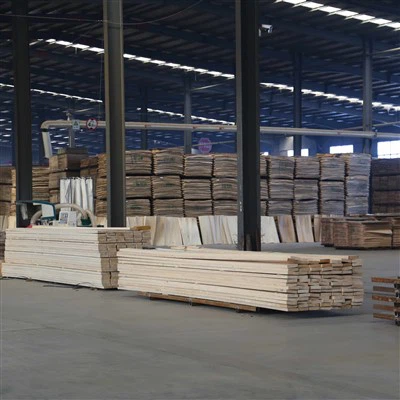
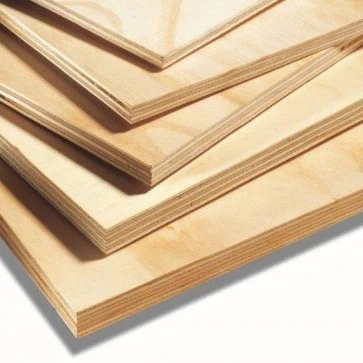
As a supplier of Stable Structural Plywood Floor Panels, I often get asked about the abrasion resistance of our products. Abrasion resistance is a crucial factor when it comes to flooring materials, as it directly impacts the longevity and performance of the floor. In this blog post, I will delve into what abrasion resistance means for stable structural plywood floor panels, how it is measured, and why it matters in various applications.
Understanding Abrasion Resistance
Abrasion resistance refers to a material's ability to withstand wear and tear caused by friction, rubbing, or scraping. In the context of stable structural plywood floor panels, it is the capacity of the panel's surface to resist damage from foot traffic, furniture movement, and other forms of mechanical contact. High abrasion resistance means that the floor will maintain its appearance and functionality over an extended period, even in high - traffic areas.
The abrasion resistance of plywood floor panels is influenced by several factors. Firstly, the type of veneer used on the surface plays a significant role. Hardwood veneers, such as oak or maple, generally offer better abrasion resistance compared to softwood veneers. This is because hardwoods have a denser cellular structure, which can better withstand the forces of abrasion.
Secondly, the manufacturing process of the plywood also affects its abrasion resistance. High - quality plywood is produced with precise control over factors like adhesive strength, veneer thickness, and pressing conditions. A well - manufactured panel will have a more uniform structure, which contributes to better overall performance, including abrasion resistance.
Measuring Abrasion Resistance
There are several standard methods for measuring the abrasion resistance of flooring materials, including plywood floor panels. One of the most commonly used tests is the Taber Abraser test. In this test, a sample of the plywood is subjected to a rotating abrasive wheel under a specified load. The amount of material removed after a certain number of rotations is measured, and this value is used to evaluate the abrasion resistance of the sample.
Another method is the sandpaper abrasion test. In this test, a sandpaper of a specific grit is rubbed against the surface of the plywood with a controlled force and number of strokes. The change in the surface appearance and the amount of material loss are then assessed.
The results of these tests are usually reported in terms of abrasion class or wear rating. For example, a higher abrasion class indicates better abrasion resistance. These ratings are useful for consumers and specifiers as they can quickly compare the performance of different plywood floor panels.
Importance of Abrasion Resistance in Different Applications
Residential Applications
In residential settings, stable structural plywood floor panels are commonly used in living rooms, bedrooms, and hallways. High abrasion resistance is essential in these areas as they are subject to regular foot traffic, movement of furniture, and the activities of family members. A floor with good abrasion resistance will not only look better for longer but also reduce the need for frequent repairs or replacements, saving homeowners time and money.
Commercial Applications
In commercial buildings such as offices, retail stores, and restaurants, the demand for high - abrasion - resistant flooring is even more critical. These areas experience a much higher volume of foot traffic compared to residential spaces. For example, a busy shopping mall may have thousands of people walking on the floors every day. Stable structural plywood floor panels with excellent abrasion resistance can withstand this heavy use without showing significant signs of wear, maintaining a professional and attractive appearance.


Industrial Applications
In industrial environments, the floors are exposed to even more extreme conditions, including the movement of heavy machinery, forklifts, and the dropping of tools and equipment. Plywood floor panels used in these settings need to have exceptional abrasion resistance to ensure their durability. A floor that can resist abrasion in an industrial environment will contribute to a safer and more efficient workplace.
Our Stable Structural Plywood Floor Panels and Abrasion Resistance
At our company, we take great pride in the abrasion resistance of our stable structural plywood floor panels. We use only the highest - quality hardwood veneers in our manufacturing process. These veneers are carefully selected for their density and durability, ensuring that our panels can withstand the rigors of daily use.
Our manufacturing process is also optimized to enhance abrasion resistance. We use advanced adhesives that provide strong bonding between the veneers, creating a more stable and robust panel. Additionally, we have strict quality control measures in place to ensure that each panel meets our high standards of abrasion resistance.
We offer a range of products to suit different applications. For residential use, our Eco Friendly Structural Plywood for Furnish combines excellent abrasion resistance with environmental friendliness. It is made from sustainable materials and is free from harmful chemicals, making it a great choice for homeowners who are conscious about the environment.
For commercial and industrial applications, our High - Strength Structural Plywood Roof Base and High Standard Structural Plywood Size are designed to provide maximum durability and abrasion resistance. These panels are engineered to withstand heavy loads and high - traffic conditions, ensuring long - term performance in demanding environments.
Contact Us for Procurement
If you are in the market for stable structural plywood floor panels with excellent abrasion resistance, we would love to hear from you. Whether you are a homeowner, a contractor, or a business owner, our team of experts can help you choose the right product for your specific needs. We offer competitive pricing, high - quality products, and excellent customer service. Contact us today to start the procurement process and find out how our stable structural plywood floor panels can enhance your project.
References
- ASTM International. (20XX). Standard test methods for abrasion resistance of organic coatings by the Taber Abraser. ASTM D4060.
- European Committee for Standardization. (20XX). EN 13329: Flooring - Test methods for the determination of wear resistance.