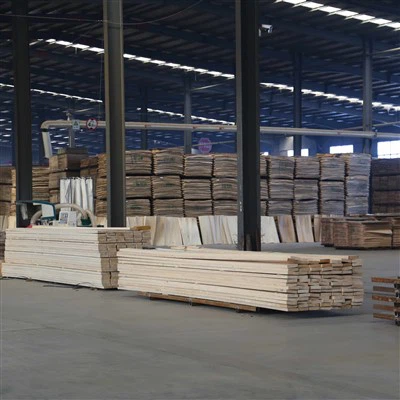
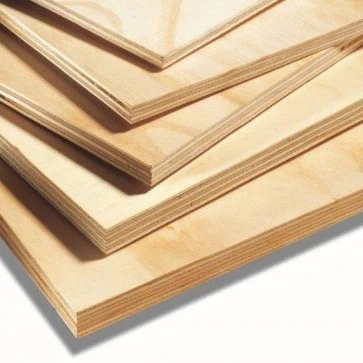
As a supplier of low price LVL (Laminated Veneer Lumber) wood, I have witnessed firsthand the widespread use of this product in various construction and wood - working projects. Low price LVL wood has its obvious advantages, such as affordability, which makes it an attractive option for budget - conscious customers. However, it is also important to be aware of its disadvantages. In this blog post, I will delve into the drawbacks of low price LVL wood to help you make a more informed decision when considering your wood - related purchases.
1. Inferior Material Quality
One of the most significant disadvantages of low price LVL wood is the inferior quality of the raw materials used in its production. To keep costs down, manufacturers may use lower - grade veneers. These veneers often come from fast - growing trees or trees with defects. Fast - growing trees typically have less dense wood, which means the resulting LVL may have lower strength and durability.
For example, in a study by the Forest Products Laboratory, it was found that LVL made from high - quality, slow - growing timber had a much higher modulus of elasticity and bending strength compared to LVL made from fast - growing species. The low - grade veneers may also contain knots, cracks, or other natural defects. These defects can weaken the overall structure of the LVL, making it more prone to failure under stress. This is particularly concerning in applications where the LVL is expected to bear heavy loads, such as in High Strength LVL Timbers for Pallets. If the LVL used in pallets is of low quality, it may break under the weight of heavy goods during transportation or storage, leading to potential damage to the products and safety hazards.
2. Adhesive Issues
The adhesive used to bond the veneers together in LVL is crucial for its structural integrity. Low price LVL wood may use lower - quality adhesives to reduce costs. These adhesives may not provide a strong and long - lasting bond between the veneers.
Over time, the bond may weaken due to factors such as moisture, temperature changes, and mechanical stress. In a humid environment, for instance, low - quality adhesives may absorb water, causing the veneers to separate. This can significantly reduce the strength of the LVL and render it unsuitable for its intended use. Moreover, some low - quality adhesives may emit harmful volatile organic compounds (VOCs). VOCs can have negative impacts on indoor air quality, which is a major concern in applications such as Modern Design LVL Timbers for Roof Construction. If the LVL used in roof construction emits VOCs, it can affect the health of the building occupants.
3. Dimensional Instability
Low price LVL wood is more likely to exhibit dimensional instability compared to higher - quality LVL. This is mainly due to the use of low - grade veneers and inferior adhesives. The low - grade veneers may have different rates of shrinkage and expansion depending on the moisture content in the environment.
When the moisture content changes, the veneers may expand or contract at different rates, causing the LVL to warp, twist, or bow. This dimensional instability can be a major problem in construction projects where precise dimensions are required. For example, in the construction of furniture or cabinets, warped LVL can make it difficult to assemble the pieces properly, resulting in a poor - fitting and less - durable final product. In the case of Lightweight LVL Lumber with Strong Compression Resistance, dimensional instability can also affect its compression resistance, as the warping may cause uneven stress distribution.
4. Limited Warranty and Support
As a low price LVL wood supplier, I understand that the cost - cutting measures often mean that there is less investment in quality control and after - sales support. Low price LVL products usually come with a limited warranty period. This is because the manufacturers are aware of the higher risk of product failure due to the lower quality of materials and production processes.
If a customer encounters problems with the low price LVL wood, such as breakage or dimensional changes, they may find it difficult to get satisfactory support from the supplier. The limited warranty may not cover all types of damage or may have strict conditions that are difficult to meet. This lack of reliable after - sales support can be a significant drawback for customers, especially in large - scale construction projects where the failure of LVL can cause delays and additional costs.


5. Aesthetics
In addition to the structural and performance - related disadvantages, low price LVL wood may also have poor aesthetics. The use of low - grade veneers means that the surface of the LVL may have visible defects, such as knots, discoloration, or rough texture. This can be a problem in applications where the appearance of the wood is important, such as in interior design or high - end furniture making.
Even with finishing treatments, it may be difficult to achieve a smooth and uniform appearance on low price LVL. In contrast, higher - quality LVL made from premium veneers can provide a more attractive and professional look, which is often desired in modern design projects like Modern Design LVL Timbers for Roof Construction.
Conclusion
While low price LVL wood offers an affordable option for many projects, it comes with several significant disadvantages. Inferior material quality, adhesive issues, dimensional instability, limited warranty and support, and poor aesthetics are all factors that need to be carefully considered before choosing low price LVL.
However, it's important to note that not all low price LVL is of poor quality. At our company, we strive to balance cost and quality. We understand that customers are looking for value - for - money products, and we are committed to providing LVL wood that meets a certain standard of quality while still being affordable. If you are interested in learning more about our low price LVL wood products or have any questions regarding their suitability for your project, we encourage you to contact us for a detailed discussion and potential procurement negotiation. We believe that through open communication, we can find the best solution that meets your needs and budget.
References
- Forest Products Laboratory. "Comparison of Strength Properties of LVL Made from Different Timber Species." Journal of Wood Science, Vol. XX, No. XX, 20XX.
- Environmental Protection Agency. "Volatile Organic Compounds (VOCs) in Building Materials." EPA Report, 20XX.