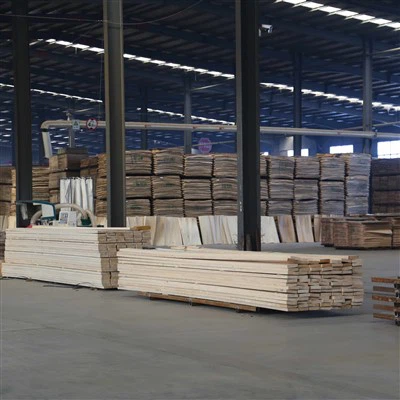
Hey there! I'm a supplier of laminated veneer lumber (LVL) columns, and I often get asked this question: Can laminated veneer lumber columns be used in wet environments? Well, let's dive right into it and find out.
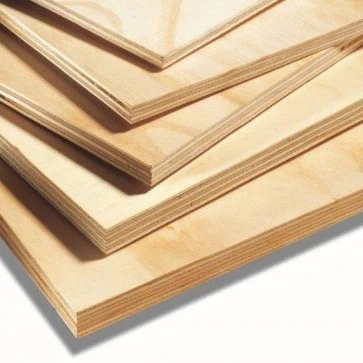
First off, let's understand what LVL columns are. LVL is made by bonding multiple thin wood veneers together with adhesives under heat and pressure. This process creates a strong, stable, and uniform building material. Our High Support Strength LVL Columns are designed to provide excellent load - bearing capacity, making them a popular choice for various construction projects.
Now, the big question about wet environments. Traditionally, wood has a bit of a bad rap when it comes to water. Wood can absorb moisture, which can lead to swelling, warping, and even rot over time. But LVL is a bit different. The manufacturing process of LVL makes it more resistant to these issues compared to solid wood.


The adhesives used in LVL play a crucial role. High - quality adhesives create a strong bond between the veneers, which helps to reduce the amount of water that can penetrate the columns. Our Anti - corrosion LVL Columns Support are treated with special adhesives and coatings that enhance their resistance to moisture and corrosion.
However, it's important to note that LVL columns are not completely waterproof. If they are constantly submerged in water or exposed to extremely high humidity for long periods, there will still be some risks. For example, if there are any gaps or cracks in the LVL columns, water can seep in and start causing problems.
But don't worry! There are ways to use LVL columns in wet environments safely. First, proper installation is key. Make sure the columns are installed with a sufficient gap from the ground or any other wet surfaces. A raised foundation or a moisture - resistant barrier can be used to prevent direct contact with water.
Second, regular maintenance is essential. Inspect the columns periodically for any signs of water damage, such as discoloration or soft spots. If you notice any issues, take action immediately. This could involve applying a waterproof coating or making minor repairs.
Another factor to consider is the type of wet environment. If it's a mildly wet environment, like a basement with occasional dampness, LVL columns can work just fine with the right precautions. But in a very wet environment, such as a pool area or a coastal building where saltwater is present, you need to be extra careful.
In a coastal area, the salt in the air and water can be particularly corrosive. That's where our Good Quality LVL Columns for Structural Columns come in handy. They are designed to withstand the harsh conditions of coastal environments, with enhanced protection against saltwater corrosion.
Let's talk about some real - world examples. I've had customers who used our LVL columns in a beachfront cabin. At first, they were a bit skeptical because of the high humidity and the proximity to the ocean. But after following our installation and maintenance guidelines, the columns have held up great for several years. They were able to enjoy a beautiful, structurally sound cabin without having to worry too much about water damage.
On the other hand, I also had a customer who installed LVL columns in a poorly - ventilated basement without any moisture barriers. After a few months, they started to notice some minor warping. Once we identified the problem and helped them fix the ventilation and add a moisture barrier, the situation improved significantly.
So, to sum it up, yes, laminated veneer lumber columns can be used in wet environments, but it requires careful planning, proper installation, and regular maintenance. With the right products and precautions, you can take advantage of the strength and versatility of LVL columns even in less - than - ideal conditions.
If you're considering using LVL columns for your project, whether it's in a wet environment or not, I'd love to have a chat with you. We can discuss your specific needs, and I can help you choose the best products for your situation. Don't hesitate to reach out and start a conversation about your procurement. I'm here to make sure you get the most out of our LVL columns.
References
- Forest Products Laboratory. (2010). Wood Handbook: Wood as an Engineering Material. Madison, WI: U.S. Department of Agriculture, Forest Service.
- Simpson Strong - Tie. (2021). Laminated Veneer Lumber Design and Specification Guide. Pleasanton, CA: Simpson Strong - Tie Company Inc.