Hey there! As a supplier of Good Quality Structural Plywood Roof Panels, I've been getting a lot of questions lately about whether these panels need to be primed before painting. It's a great question, and one that can have a big impact on the longevity and appearance of your roof. So, let's dive in and explore this topic together.
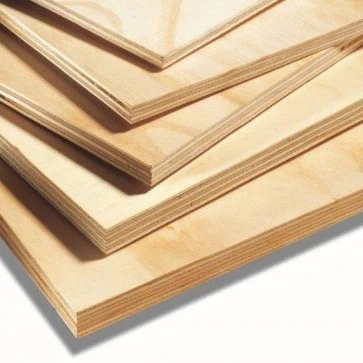
First off, let me give you a bit of background on our structural plywood roof panels. We offer a range of high - quality products, like the High Load - bearing Capacity Structural Plywood. This type of plywood is designed to handle heavy loads, making it perfect for roof applications. We also have the Anti - Corrosion Structural Plywood 1220*2440mm, which is great for areas where moisture and corrosion might be a concern. And for those who are environmentally conscious, we've got the Eco Frendliy Structural Plywood In.
Now, back to the main question: do these panels need to be primed before painting? Well, the short answer is, it depends.


The Benefits of Priming
Priming your structural plywood roof panels before painting has several advantages. One of the biggest benefits is adhesion. A good primer creates a smooth, even surface for the paint to stick to. Plywood has a porous surface, and if you paint directly on it, the paint might soak into the wood unevenly. This can lead to a patchy finish and the paint might not last as long. A primer seals the pores of the wood, allowing the paint to spread more evenly and adhere better.
Another advantage is protection. A primer acts as an extra layer of defense for the plywood. It can help prevent moisture from seeping into the wood, which is a major cause of rot and decay. If your roof is exposed to the elements, especially in areas with high humidity or frequent rainfall, a primer can significantly extend the life of your plywood panels.
Primers can also enhance the color and durability of the topcoat. Some primers are formulated to block stains and tannins that might bleed through the paint. This is particularly important if you're using a light - colored paint on your roof. A primer can ensure that the final color of your paint looks vibrant and consistent.
When Priming Might Not Be Necessary
However, there are situations where priming might not be absolutely necessary. If you're using a high - quality paint that is specifically designed for use on plywood and has good adhesion properties, you might be able to skip the priming step. Some paints have built - in primers, which can save you time and money.
Also, if your plywood panels are going to be in a protected environment, like an indoor shed or a covered patio, the need for a primer is reduced. In these cases, the panels are not exposed to the same level of moisture and UV rays as an outdoor roof, so the risk of damage is lower.
How to Decide
So, how do you decide whether to prime your structural plywood roof panels or not? Here are some factors to consider:
- Location and Environment: If your roof is in an area with harsh weather conditions, such as high humidity, heavy rain, or strong sunlight, priming is highly recommended. The extra protection provided by the primer can make a big difference in the lifespan of your roof.
- Type of Paint: Check the label of the paint you're planning to use. If it says it can be used directly on plywood without a primer, you might be able to skip that step. But be cautious, as not all paints are created equal.
- Appearance: If you want a perfect, professional - looking finish, priming is usually a good idea. It can help eliminate any imperfections in the wood surface and ensure a smooth, even color.
- Budget and Time: Priming adds an extra step to the painting process, which means more time and potentially more cost. If you're on a tight schedule or budget, you might need to weigh the benefits of priming against the additional resources required.
The Priming Process
If you decide to prime your structural plywood roof panels, here's a simple process to follow:
- Prepare the Surface: Start by cleaning the plywood panels. Remove any dirt, dust, or debris with a brush or a damp cloth. Sand the surface lightly to smooth out any rough spots.
- Choose the Right Primer: There are different types of primers available, such as oil - based and water - based. Oil - based primers are generally more durable and provide better protection against moisture, but they can be more difficult to work with and have a stronger odor. Water - based primers are easier to clean up and have a lower odor, but they might not be as long - lasting.
- Apply the Primer: Use a paintbrush or a roller to apply the primer evenly to the plywood panels. Make sure to cover the entire surface, including the edges. Follow the manufacturer's instructions for drying time.
- Sand and Clean Again: After the primer has dried, sand the surface lightly again to smooth out any bumps or drips. Then, clean the panels to remove any dust from sanding.
- Apply the Paint: Once the primed surface is clean and dry, you can apply the topcoat of paint. Use the same application method as you did for the primer, and make sure to follow the paint manufacturer's instructions for drying and recoating.
Conclusion
In conclusion, while priming your Good Quality Structural Plywood Roof Panels before painting is not always necessary, it usually offers significant benefits in terms of adhesion, protection, and appearance. It's important to consider the specific conditions of your roof, the type of paint you're using, and your budget and time constraints when making the decision.
If you're still unsure whether to prime your panels or have any other questions about our structural plywood products, don't hesitate to reach out. We're here to help you make the best choice for your roofing project. Whether you're building a new home, renovating an existing one, or just looking to replace a damaged roof, our high - quality plywood panels are a great option. Contact us today to discuss your needs and start the procurement process. Let's work together to create a roof that is not only functional but also looks great for years to come.
References
- "Painting Plywood: A Comprehensive Guide", Woodworking Magazine
- "Roofing Materials and Their Maintenance", Home Improvement Journal
- Manufacturer's guides for structural plywood and paints