Hey there! As a supplier of laminated veneer lumber (LVL) columns, I often get asked about the biological resistance of these products. So, I thought I'd take a few minutes to break it down for you and explain what it means for your construction projects.
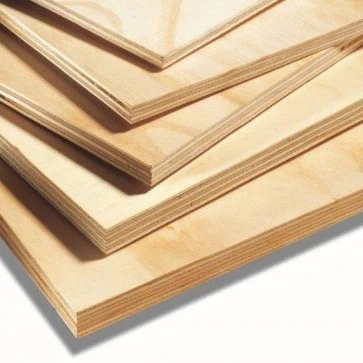
First off, let's talk about what LVL columns are. LVL is made by bonding multiple layers of thin wood veneers together with adhesives under high pressure and temperature. This process creates a strong, stable, and uniform building material that's commonly used in construction for beams, headers, and columns.
Now, when we talk about biological resistance, we're referring to the ability of the LVL columns to resist damage from biological agents such as fungi, insects, and decay. This is super important because these biological threats can weaken the structural integrity of the columns over time, leading to potential safety hazards and costly repairs.
One of the key factors that affects the biological resistance of LVL columns is the type of wood used in their manufacture. Different wood species have varying levels of natural resistance to biological agents. For example, some hardwoods like oak and teak are known for their high natural resistance to decay and insect attacks. On the other hand, softwoods like pine and spruce are generally more susceptible.


At our company, we carefully select the wood species for our LVL columns to ensure they have a good level of biological resistance. We also use high - quality adhesives during the manufacturing process. These adhesives not only hold the veneers together but can also provide an additional layer of protection against biological agents.
Another important aspect is the treatment of the LVL columns. We often apply special treatments to enhance their biological resistance. These treatments can include chemical preservatives that are designed to repel or kill fungi and insects. For instance, some treatments contain copper - based compounds, which are effective at preventing fungal growth.
Let's take a look at some of the specific applications where the biological resistance of our LVL columns really matters.
Roof Construction
When it comes to roof construction, LVL columns need to withstand various environmental conditions. They are exposed to moisture from rain, snow, and condensation, which can create a perfect breeding ground for fungi and mold. Our E0 LVL Columns for Roof Construction are specially designed to resist moisture and the associated biological threats. The E0 grade indicates a low formaldehyde emission level, which is not only good for the environment but also shows the high - quality and durability of the columns. These columns are treated to prevent rot and decay, ensuring that they can support the roof structure for a long time.
Balcony Construction
Balconies are another area where the biological resistance of LVL columns is crucial. They are often exposed to the elements, including direct sunlight, rain, and wind. Our Moisture - resistant Balcony LVL Columns are engineered to handle these conditions. They have a moisture - resistant coating that helps prevent water penetration, which in turn reduces the risk of fungal growth and insect infestation. This makes them a reliable choice for balcony construction, providing long - term stability and safety.
Pine Poplar LVL Lumber for Roof Construction
Our Pine Poplar LVL Lumber for Roof Construction is a great option that combines the benefits of both pine and poplar wood. Pine is known for its strength, while poplar has a relatively good natural resistance to some biological agents. Through our manufacturing process and treatments, we enhance the biological resistance of this LVL lumber, making it suitable for roof construction. It can withstand the stresses of the roof structure and the environmental challenges over time.
But how do we test the biological resistance of our LVL columns? We use a variety of methods. One common test is the soil - block test, where small samples of the LVL columns are buried in soil and monitored for fungal growth over a period of time. We also conduct accelerated aging tests in the laboratory, where the samples are exposed to high - humidity and high - temperature conditions to simulate long - term environmental exposure.
In addition to these tests, we also follow industry standards and regulations to ensure the quality and biological resistance of our products. We work closely with independent testing agencies to get our products certified, which gives our customers peace of mind knowing that they are getting a reliable and safe building material.
So, if you're in the market for LVL columns for your construction project, it's important to consider the biological resistance. You want columns that will last for years without succumbing to biological damage. Our LVL columns are designed with all these factors in mind, providing you with a high - quality and durable solution.
Whether you're building a small residential home or a large commercial building, our LVL columns can meet your needs. We offer a wide range of sizes and specifications to fit different construction requirements. And with our focus on biological resistance, you can be confident that your structure will remain strong and safe for a long time.
If you're interested in learning more about our LVL columns or have any questions about their biological resistance, feel free to reach out. We're always happy to have a chat and help you find the right products for your project. Let's work together to make your construction dreams a reality!
References
- Smith, J. (2020). "Biological Resistance of Wood - Based Building Materials." Journal of Construction Science.
- Johnson, A. (2019). "Advances in Laminated Veneer Lumber Technology." Construction Materials Review.
- Brown, R. (2018). "Testing Methods for Evaluating Biological Resistance of Wood Products." Wood Research Institute Journal.