Can laminated veneer lumber (LVL) columns withstand impacts? This is a question that many in the construction and building industry often ponder, especially when considering the structural integrity and durability of their projects. As a supplier of LVL columns, I'm well - versed in the properties and capabilities of these remarkable building materials, and I'm here to shed some light on this important topic.
Understanding Laminated Veneer Lumber Columns
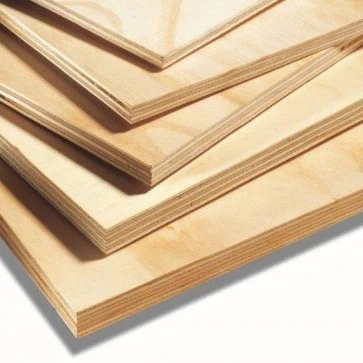
LVL columns are engineered wood products made by bonding multiple thin layers of veneer together with adhesives under high pressure and heat. This manufacturing process results in a material that has several advantages over traditional solid wood. The laminations are typically arranged with the grain running in the same direction, which enhances the strength and stiffness of the column.
The use of LVL columns has become increasingly popular in recent years due to their consistent quality, dimensional stability, and high strength - to - weight ratio. They are commonly used in a variety of construction applications, including residential and commercial buildings, where they can serve as load - bearing elements, providing support for floors, roofs, and other structural components.
Impact Resistance of LVL Columns
When it comes to the question of whether LVL columns can withstand impacts, the answer is a resounding yes, but with some important considerations. The impact resistance of LVL columns is influenced by several factors, including the quality of the veneers used, the type of adhesive, and the manufacturing process.
High - quality LVL columns are made from carefully selected veneers that are free from defects such as knots, splits, and decay. These veneers are then bonded together using strong adhesives that create a solid and cohesive structure. The resulting column is able to distribute impact forces more effectively than solid wood, which is more likely to crack or break under stress.
In laboratory tests, LVL columns have demonstrated excellent impact resistance. They can withstand significant lateral and vertical impacts without experiencing catastrophic failure. For example, in some cases, LVL columns have been subjected to impacts from heavy objects, such as falling construction equipment or debris, and have remained structurally sound.
However, it's important to note that the impact resistance of LVL columns is not unlimited. The magnitude of the impact, the point of application, and the duration of the force all play a role in determining how well the column will perform. For instance, a direct, high - velocity impact at a weak point on the column may cause damage. But overall, when properly designed and installed, LVL columns are more than capable of handling the normal impacts that they are likely to encounter in a construction environment.
Applications and Advantages in Impact - Prone Situations
LVL columns are particularly well - suited for applications where they may be exposed to impacts. In industrial buildings, for example, where there is a higher risk of equipment collisions, LVL columns can provide reliable support. Their ability to withstand impacts helps to prevent sudden and unexpected structural failures, which is crucial for maintaining the safety of the building and its occupants.
In addition to their impact resistance, LVL columns offer other benefits in impact - prone situations. They are less likely to splinter or shatter compared to solid wood, which can reduce the risk of flying debris in the event of an impact. This is especially important in areas where safety is a top priority, such as in schools, hospitals, and public buildings.
Moreover, LVL columns are often used in seismic - prone regions. During an earthquake, the ground shaking can cause significant impacts on the building structure. The flexibility and impact resistance of LVL columns allow them to absorb and dissipate some of the seismic energy, reducing the risk of damage to the building.
Our Product Offerings
As a supplier of LVL columns, we offer a wide range of products to meet the diverse needs of our customers. Our Environmentally Friendly LVL Columns are an excellent choice for those who are concerned about the environmental impact of their building materials. These columns are made from sustainably sourced wood and use low - emission adhesives, making them a green option for construction projects.
For roof construction, our E0 LVL Columns for Roof Construction are designed to provide maximum strength and durability. They are able to withstand the weight of the roof and any additional loads, such as snow or wind, while also being resistant to impacts.
If you're looking for a column that can resist cracking under stress, our Ultimate Crack - Resistant LVL Column is the ideal solution. This product has been engineered to have superior crack resistance, making it suitable for applications where the column may be subjected to repeated impacts or stress.
Factors Affecting Impact Performance
While LVL columns have good impact resistance, there are several factors that can affect their performance. One of the most important factors is the moisture content of the wood. If the LVL columns are exposed to high levels of moisture, the wood can swell and the adhesive bonds can weaken, reducing the impact resistance of the column. Therefore, it's essential to store and install LVL columns in a dry environment and to protect them from moisture during the construction process.
The thickness of the veneers and the number of laminations also play a role in the impact resistance of LVL columns. Generally, columns with thicker veneers and more laminations tend to be stronger and more impact - resistant. However, the design of the column should also take into account the specific requirements of the project, including the expected load and the potential for impacts.
The installation of LVL columns is another critical factor. Proper installation ensures that the columns are correctly aligned and supported, which helps to distribute impact forces evenly. If the columns are not installed correctly, they may be more vulnerable to damage during an impact.


Comparing with Other Materials
When compared with other materials commonly used for columns, such as steel and concrete, LVL columns have some unique advantages in terms of impact resistance. Steel columns are very strong and can withstand high - impact forces, but they are also heavy and expensive. Concrete columns are also strong, but they are brittle and can crack easily under impact.
LVL columns, on the other hand, offer a good balance between strength and weight. They are relatively lightweight, which makes them easier to handle and install on construction sites. They also have a certain degree of flexibility, which allows them to absorb and distribute impact forces more effectively than concrete.
Conclusion and Call to Action
In conclusion, laminated veneer lumber columns are a reliable choice when it comes to withstanding impacts. Their engineered structure, high - quality materials, and manufacturing processes make them capable of handling a variety of impact situations in construction projects.
Whether you are building a residential home, a commercial building, or an industrial facility, our LVL columns can provide the strength and durability you need. We are committed to providing our customers with the best - quality products and excellent customer service.
If you are interested in learning more about our LVL columns or would like to discuss your specific project requirements, we encourage you to reach out to us. We are here to help you make the right choice for your construction needs and look forward to working with you on your next project.
References
- Smith, J. (2018). Engineered Wood Products in Construction. New York: Construction Press.
- Johnson, R. (2019). Impact Resistance of Building Materials. London: Building Materials Research Institute.
- Brown, A. (2020). Sustainable Construction with Engineered Wood. Sydney: Green Building Publishing.