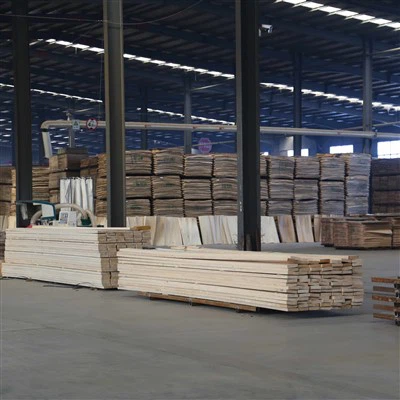
Water-resistant structural plywood roof panels have gained significant popularity in the construction industry due to their durability and versatility. As a supplier of these high-quality panels, I often receive inquiries about their suitability for use in cold climates. In this blog post, I will explore the key factors to consider when using water-resistant structural plywood roof panels in cold regions and provide insights into their performance under such conditions.
Understanding Water-Resistant Structural Plywood
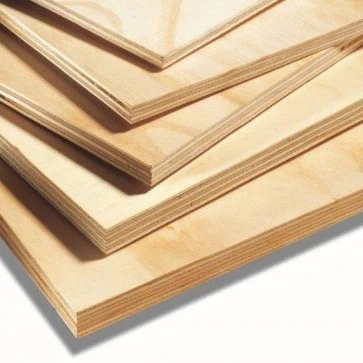
Before delving into the suitability of water-resistant structural plywood roof panels for cold climates, it's essential to understand what these panels are and how they are made. Water-resistant structural plywood is engineered to withstand exposure to moisture without losing its structural integrity. It is typically made by bonding multiple layers of wood veneers together with a waterproof adhesive, creating a strong and stable panel that can resist warping, swelling, and decay.
These panels are commonly used in roofing applications because they provide excellent strength and stiffness, making them capable of supporting heavy loads such as snow and ice. Additionally, their water-resistant properties help protect the underlying structure from water damage, which is crucial in preventing rot and mold growth.


Factors Affecting the Performance of Water-Resistant Structural Plywood in Cold Climates
Several factors can influence the performance of water-resistant structural plywood roof panels in cold climates. Understanding these factors is essential for ensuring the long-term durability and effectiveness of the panels.
Temperature Extremes
Cold climates are characterized by extreme temperature fluctuations, which can have a significant impact on the performance of water-resistant structural plywood. When the temperature drops, the wood fibers in the plywood contract, which can cause the panels to shrink and potentially develop cracks. Conversely, when the temperature rises, the wood fibers expand, which can lead to warping and buckling.
To mitigate the effects of temperature extremes, it's important to choose water-resistant structural plywood that is specifically designed for use in cold climates. Look for panels that have been treated with additives or coatings to improve their dimensional stability and resistance to temperature changes. Additionally, proper installation techniques, such as allowing for expansion and contraction gaps, can help prevent damage to the panels.
Moisture and Freeze-Thaw Cycles
Moisture is another critical factor to consider when using water-resistant structural plywood in cold climates. Even though these panels are designed to resist water, they can still absorb moisture from the air or during periods of precipitation. When this moisture freezes and thaws repeatedly, it can cause the wood fibers to expand and contract, leading to damage over time.
To prevent moisture-related issues, it's important to ensure that the water-resistant structural plywood is properly installed and sealed. This includes using a high-quality waterproof membrane or underlayment to protect the panels from direct contact with water. Additionally, proper ventilation can help reduce moisture buildup in the attic, which can further protect the panels from damage.
Snow and Ice Loads
Cold climates often experience heavy snow and ice accumulation, which can place significant stress on water-resistant structural plywood roof panels. The weight of the snow and ice can cause the panels to bend and potentially fail if they are not designed to withstand these loads.
When selecting water-resistant structural plywood for use in cold climates, it's important to consider the snow and ice load requirements for your area. Look for panels that have a high load-bearing capacity and are rated for use in areas with heavy snowfall. Additionally, proper roof design and installation, such as using a steeper pitch or adding additional support, can help distribute the weight of the snow and ice evenly and prevent damage to the panels.
Benefits of Using Water-Resistant Structural Plywood in Cold Climates
Despite the challenges posed by cold climates, there are several benefits to using water-resistant structural plywood roof panels in these regions.
Durability
Water-resistant structural plywood is known for its durability and long lifespan. When properly installed and maintained, these panels can withstand the harsh conditions of cold climates for many years without requiring significant repairs or replacement. This makes them a cost-effective choice for roofing applications in cold regions.
Energy Efficiency
Water-resistant structural plywood can also contribute to the energy efficiency of a building in cold climates. The panels provide an additional layer of insulation, which can help reduce heat loss and lower energy costs. Additionally, the water-resistant properties of the panels can help prevent moisture from entering the building, which can further improve energy efficiency by reducing the need for除湿.
Versatility
Water-resistant structural plywood is a versatile material that can be used in a variety of roofing applications. It can be used for both residential and commercial buildings, and it can be installed on flat or sloped roofs. Additionally, these panels can be easily cut and shaped to fit the specific requirements of the project, making them a flexible choice for roofing contractors.
Choosing the Right Water-Resistant Structural Plywood for Cold Climates
When choosing water-resistant structural plywood for use in cold climates, it's important to consider several factors to ensure the best performance and durability.
Quality and Certification
Look for water-resistant structural plywood that is of high quality and has been certified by a reputable organization. This ensures that the panels meet the necessary standards for strength, durability, and water resistance. Additionally, certification can provide peace of mind knowing that the panels have been tested and approved for use in specific applications.
Treatment and Coating
As mentioned earlier, choosing water-resistant structural plywood that has been treated with additives or coatings to improve its performance in cold climates is essential. Look for panels that have been treated with a water repellent or preservative to protect against moisture and decay. Additionally, some panels may have a special coating that provides additional protection against UV rays and other environmental factors.
Thickness and Grade
The thickness and grade of the water-resistant structural plywood are also important considerations. Thicker panels are generally stronger and more durable, making them a better choice for areas with heavy snow and ice loads. Additionally, higher-grade panels are typically of better quality and have fewer defects, which can improve their performance and lifespan.
Conclusion
In conclusion, water-resistant structural plywood roof panels can be used effectively in cold climates when the right factors are considered. By understanding the challenges posed by temperature extremes, moisture, and snow and ice loads, and by choosing the right panels and installation techniques, you can ensure the long-term durability and effectiveness of the panels.
As a supplier of [Water-resistant Structural Plywood Roof Panels], I am committed to providing high-quality products that are specifically designed for use in cold climates. Our panels are made from the finest materials and are treated with advanced coatings and additives to ensure superior performance and durability. If you are interested in learning more about our products or have any questions about using water-resistant structural plywood in cold climates, please don't hesitate to [contact us for a consultation]. We would be happy to help you find the right solution for your roofing needs.
References
- "Building in Cold Climates: A Guide to Best Practices." National Research Council Canada.
- "Structural Plywood: Properties and Performance." Forest Products Laboratory.
- "Moisture Management in Cold Climate Buildings." Building Science Corporation.