Hey there! As a supplier of indoor structural plywood, I often get asked, "Does indoor structural plywood warp easily?" Well, let's dive right into this topic and clear up all the doubts.
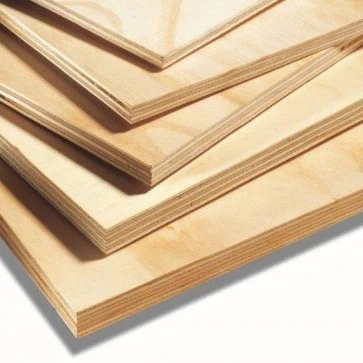
First off, let's understand what indoor structural plywood is. It's a type of plywood that's designed for indoor use and provides structural support. It's made by gluing together multiple layers of wood veneers with the grains of adjacent layers perpendicular to each other. This cross - grain construction gives it strength and stability.
Now, the big question: does it warp easily? The answer isn't a simple yes or no. There are several factors that can influence whether indoor structural plywood will warp.
Moisture Content
Moisture is one of the main culprits when it comes to plywood warping. Wood is a hygroscopic material, which means it absorbs and releases moisture depending on the surrounding environment. If the indoor structural plywood is exposed to high humidity or direct contact with water, it can absorb moisture. When the plywood absorbs moisture unevenly, different parts of it will expand at different rates. This uneven expansion causes stress within the plywood, leading to warping.


For example, if you install a piece of indoor structural plywood in a bathroom where the humidity is constantly high and don't take proper precautions, it's more likely to warp over time. But don't worry! We offer Moisture - resistant Structural Plywood for Wall that is specifically treated to resist moisture absorption. This type of plywood has a special coating or is made from woods that are naturally more resistant to moisture, reducing the risk of warping significantly.
Installation
The way you install indoor structural plywood also plays a huge role in whether it will warp. If the plywood is not properly fastened or if there is excessive tension during installation, it can lead to warping. For instance, if you drive nails or screws too tightly, it can cause the wood fibers to compress unevenly, creating stress points. Over time, these stress points can cause the plywood to warp.
Proper installation involves leaving a small gap between the edges of the plywood panels to allow for expansion and contraction. It's also important to ensure that the sub - surface is flat and level. If the sub - surface is uneven, the plywood may not sit properly, and this can lead to warping as well.
Quality of the Plywood
The quality of the indoor structural plywood you choose matters a great deal. Higher - quality plywood is made from better - grade wood veneers and uses stronger adhesives. The veneers are more uniform in thickness and density, which means they are less likely to absorb moisture unevenly.
Our Stable Indoor Structural Plywood is made from top - quality wood veneers and high - strength adhesives. We carefully select the wood and monitor the manufacturing process to ensure that each sheet of plywood meets our high standards. This results in a more stable product that is less prone to warping.
Storage
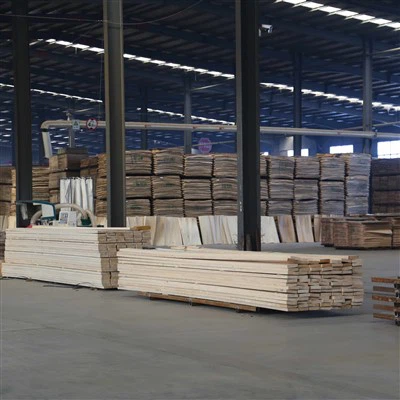
How you store indoor structural plywood before installation can also affect its tendency to warp. If you store the plywood in a damp or humid place, it can absorb moisture even before it's installed. It's best to store the plywood in a dry, well - ventilated area. Stack the plywood flat and support it evenly to prevent any bending or warping during storage.
Temperature Changes
Temperature changes can cause the wood in the plywood to expand and contract. If the indoor environment experiences extreme temperature fluctuations, it can put stress on the plywood. For example, if you have a room that gets very hot during the day and very cold at night, the plywood may expand and contract with these temperature changes. Over time, this can lead to warping. However, our high - quality indoor structural plywood is designed to withstand a certain degree of temperature variation.
Grain Direction
The grain direction of the plywood matters. When cutting and installing the plywood, it's important to pay attention to the grain direction. If you install the plywood with the grains not aligned properly, it can create stress within the material, increasing the risk of warping.
So, to sum it up, indoor structural plywood doesn't have to warp easily. By choosing high - quality plywood like our Stable Indoor Structural Plywood, taking proper precautions against moisture, installing it correctly, storing it properly, and being mindful of temperature and grain direction, you can significantly reduce the risk of warping.
We also offer Structural Plywood With Customizable Dimensions. Whether you need a specific size for a unique project or want a certain thickness, we can customize the plywood to meet your needs.
If you're in the market for indoor structural plywood and want to avoid the hassle of warping, we're here to help. Our team of experts can provide you with all the information you need and guide you through the selection process. Don't hesitate to reach out to us for a consultation and start your project with confidence.
References
- "Wood Handbook: Wood as an Engineering Material." Forest Products Laboratory.
- "Plywood: A Comprehensive Guide." National Plywood Association.