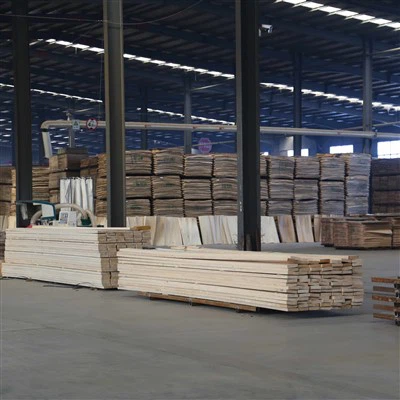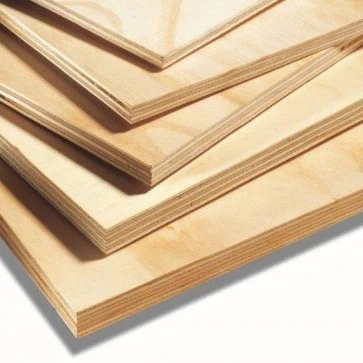
As a supplier of High Support Strength LVL (Laminated Veneer Lumber) Columns, ensuring the fire safety of our products is of utmost importance. LVL columns are widely used in construction due to their high strength - to - weight ratio, dimensional stability, and ease of installation. However, like all wood - based products, they are combustible, and taking appropriate measures to enhance their fire safety is crucial. In this blog, I will share some key strategies to ensure the fire safety of High Support Strength LVL Columns.
Understanding the Fire Risks of LVL Columns
Before delving into fire - safety measures, it's essential to understand the fire risks associated with LVL columns. LVL is made by bonding multiple layers of thin wood veneers together with adhesives. When exposed to fire, the wood will start to pyrolyze, releasing combustible gases and forming a char layer on the surface. The char layer can act as an insulator to some extent, slowing down the rate of burning. However, if the fire is intense and prolonged, the char layer may break off, and the column's structural integrity can be compromised.
1. Fire - Retardant Treatment
One of the most effective ways to improve the fire safety of LVL columns is through fire - retardant treatment. Fire - retardant chemicals can be applied to the LVL columns during the manufacturing process. These chemicals work by interfering with the combustion process in several ways. For example, they can release non - combustible gases when heated, which dilute the oxygen around the wood and suppress the fire. They can also form a protective layer on the surface of the wood, preventing the pyrolysis of the wood and reducing the release of combustible gases.
There are different types of fire - retardant treatments available, such as water - based and solvent - based treatments. Water - based treatments are more environmentally friendly and are often preferred in construction applications. The treatment process usually involves impregnating the LVL columns with the fire - retardant solution under pressure. This ensures that the chemicals penetrate deep into the wood, providing long - lasting fire protection.


2. Encasing the LVL Columns
Another approach to enhancing fire safety is to encase the LVL columns with fire - resistant materials. For example, LVL columns can be encased in gypsum board, concrete, or fire - rated insulation materials. Gypsum board is a popular choice because it is relatively inexpensive, easy to install, and has good fire - resistant properties. When exposed to fire, the water in the gypsum board is released as steam, which absorbs heat and slows down the spread of fire.
Concrete encasement can also provide excellent fire protection. Concrete has a high thermal mass, which means it can absorb a large amount of heat without significant temperature increase. The thickness of the concrete encasement needs to be carefully designed based on the fire - rating requirements of the building. Fire - rated insulation materials, such as mineral wool or fiberglass, can also be used to wrap the LVL columns. These materials have low thermal conductivity and can effectively reduce the heat transfer to the LVL columns.
3. Proper Installation and Spacing
Proper installation and spacing of LVL columns are also important for fire safety. During installation, it is crucial to ensure that the columns are properly supported and secured. Loose or poorly installed columns can be more vulnerable to fire damage. Additionally, the spacing between LVL columns should be in accordance with the building code requirements. Adequate spacing allows for better ventilation and reduces the risk of fire spreading from one column to another.
4. Regular Inspection and Maintenance
Regular inspection and maintenance of LVL columns are essential to ensure their continued fire safety. Inspections should be carried out periodically to check for any signs of damage, such as cracks, charring, or water damage. Water damage can weaken the LVL columns and make them more susceptible to fire. If any damage is detected, appropriate repairs or replacements should be made immediately.
Maintenance also includes keeping the area around the LVL columns clean and free of combustible materials. Storing flammable substances near the columns can increase the fire risk. Regular cleaning can also prevent the accumulation of dust and debris, which can act as fuel in case of a fire.
5. Complying with Building Codes and Standards
Complying with relevant building codes and standards is a fundamental requirement for ensuring the fire safety of LVL columns. Building codes specify the minimum fire - rating requirements for different types of buildings and construction elements. For example, in high - rise buildings, the fire - rating requirements for structural columns are usually more stringent than in low - rise buildings.
As a supplier of High Support Strength LVL Columns, we ensure that our products meet all the necessary building code requirements. We work closely with architects, engineers, and contractors to provide them with the right information and products to ensure compliance.
Our Product Range
In addition to ensuring fire safety, our company offers a wide range of High Support Strength LVL Columns to meet different customer needs. For example, we have Moisture - resistant Balcony LVL Columns, which are specifically designed for balcony applications. These columns have excellent moisture - resistance properties, which can prevent rot and decay, and also have been treated to enhance fire safety.
We also provide LVL Timber With Flexible Customization Production. This allows our customers to get LVL columns with specific dimensions, shapes, and fire - protection requirements. Whether it's a small - scale residential project or a large - scale commercial building, we can customize the LVL columns to fit the project's needs.
Another product in our portfolio is the Ultimate Crack - Resistant LVL Column. These columns are engineered to resist cracking, which is important for maintaining the structural integrity of the building, especially in case of a fire. The crack - resistant feature also contributes to the overall fire safety of the columns by preventing the rapid spread of fire through cracks.
Conclusion
Ensuring the fire safety of High Support Strength LVL Columns requires a combination of fire - retardant treatment, proper encasing, correct installation and spacing, regular inspection and maintenance, and compliance with building codes. As a supplier, we are committed to providing high - quality LVL columns with enhanced fire safety features. Our diverse product range allows us to meet the different needs of our customers in various construction projects.
If you are interested in our High Support Strength LVL Columns and would like to discuss your project requirements or have any questions about fire safety, please feel free to contact us. We are more than happy to assist you in making the right choice for your construction needs.
References
- ASTM International. (20XX). Standard test methods for fire tests of building construction and materials.
- National Fire Protection Association. (20XX). NFPA 220: Standard on Types of Building Construction.
- Building Research Establishment. (20XX). Fire safety in buildings: A guide to design and construction.