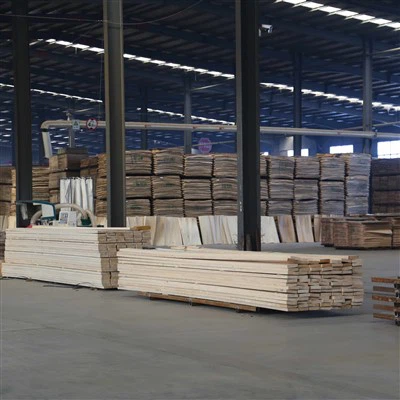
Laminated veneer lumber (LVL) headers and concrete headers are two popular choices in construction, each with its own set of characteristics. As a supplier of laminated veneer lumber headers, I am well - versed in the benefits and differences of these two materials, and I'm excited to share this knowledge with you.
Physical Properties
Strength and Durability
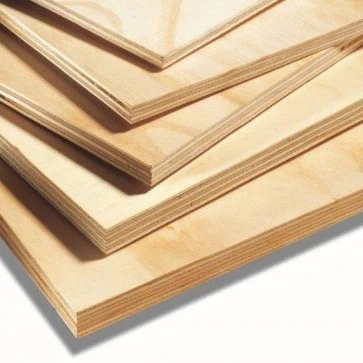
LVL headers are engineered wood products made by bonding multiple layers of thin wood veneers together with adhesives under high pressure. This manufacturing process results in a product that is incredibly strong and has a consistent strength profile. The strength of LVL is often comparable to, if not greater than, that of traditional solid - sawn lumber. It can withstand heavy loads, making it suitable for a variety of construction applications, from residential to commercial buildings.
Concrete headers, on the other hand, are known for their high compressive strength. Concrete is a composite material made of cement, aggregates, and water. It can handle large vertical loads very well, which is why it's commonly used in large - scale construction projects such as bridges and high - rise buildings. However, concrete is relatively weak in tension. Without proper reinforcement, it can crack under tensile forces, such as those caused by bending or seismic activity.
LVL headers have an advantage in terms of flexibility. They can be easily cut, shaped, and installed on - site, which makes them a great choice for custom - designed projects. In contrast, concrete headers need to be pre - casted in a mold or poured and cured on - site, which can be time - consuming and requires more specialized equipment and labor.
Weight
One of the significant advantages of LVL headers is their relatively light weight compared to concrete headers. The light weight of LVL makes it easier to handle, transport, and install. This can lead to cost savings in terms of reduced labor and transportation expenses. For example, in a multi - story building project, getting heavy concrete headers to upper floors can be a logistical nightmare and may require the use of expensive equipment like cranes. LVL headers can be carried and installed by a small crew with basic tools. Concrete headers, due to their high density, are much heavier, which limits their use in some applications where weight is a concern, such as in retrofit projects where the existing structure may not be able to support the additional load.
Environmental Impact
Sustainability
LVL headers are considered a more sustainable option compared to concrete headers. Laminated veneer lumber is made from fast - growing, renewable timber sources. The manufacturing process of LVL uses a large percentage of the tree, minimizing waste. Additionally, the adhesives used in LVL production are now more environmentally friendly, with many products certified as low - emitting for indoor air quality.
Concrete production, however, has a significant environmental footprint. The production of cement, the key ingredient in concrete, is a major contributor to greenhouse gas emissions, accounting for about 7% of global carbon dioxide emissions. The extraction of aggregates for concrete also has environmental implications, such as habitat destruction and soil erosion.
Cost - effectiveness
Initial Cost
In terms of initial material cost, LVL headers can sometimes be more expensive than concrete headers. The manufacturing process of LVL involves multiple steps, including veneer peeling, adhesive application, and pressing, which adds to the cost. However, when you consider the overall cost of a project, including labor, transportation, and installation time, LVL headers can be a more cost - effective option. As mentioned earlier, the light weight of LVL reduces transportation and installation expenses. Also, the ease of cutting and shaping LVL on - site can save time and labor costs, especially for projects with complex designs.
Concrete headers may seem cheaper in terms of raw material, but the cost of formwork, curing time, and the need for specialized equipment can quickly add up. In some cases, the total cost of using concrete headers can be higher than using LVL headers.
Long - term Cost
LVL headers generally require less maintenance over time. They are resistant to rot, decay, and termites when properly treated. This means that there will be fewer repair and replacement costs in the long run. Concrete headers, although durable, can develop cracks over time due to various factors such as temperature changes, shrinkage, and heavy loads. Repairing cracked concrete can be expensive and time - consuming.
Installation and Design Flexibility
Installation
As a LVL header supplier, I know that the installation of LVL headers is straightforward. They can be cut to the desired length using a standard saw, and they can be easily fastened with nails or screws. This simplicity of installation allows for a faster construction process. Workers can quickly install LVL headers, which can accelerate the overall schedule of a project.
Concrete header installation is more complex. If pre - cast, they need to be carefully transported and lifted into place. On - site casting requires building formwork, which is a time - consuming and labor - intensive process. After pouring the concrete, it needs to cure for a certain period before the formwork can be removed and the structure can bear load, which further delays the project.
Design Flexibility
LVL headers offer greater design flexibility. They can be made in various sizes and shapes to meet the specific requirements of a project. Whether it's a curved ceiling or an irregularly - shaped opening, LVL can be easily fabricated to fit. You can learn more about the diverse applications of LVL in roof projects at LVL Roof Beams – The Choice For Domes.
Concrete headers are more limited in terms of design. While it is possible to create complex shapes with concrete, it requires more advanced formwork and construction techniques, which can increase the cost and complexity of the project.


Fire Resistance
LVL Headers
LVL headers have a certain degree of fire resistance. When exposed to fire, the outer layers of LVL char, which forms an insulating layer that slows down the spread of fire to the inner layers. However, compared to concrete headers, their fire - resistance is relatively lower. Special fire - retardant treatments can be applied to LVL headers to improve their fire - resistant performance. You can find more details about the sturdiness and durability of LVL roof headers, including considerations for fire - resistance treatments, at Sturdy And Durable LVL Roof Headers.
Concrete Headers
Concrete headers are inherently more fire - resistant than LVL headers. Concrete does not burn, and it can withstand high temperatures for an extended period without significant structural damage. This makes concrete a preferred choice in applications where high - level fire protection is required, such as in industrial buildings or areas with strict fire codes.
Moisture Resistance
LVL Headers
LVL headers are relatively resistant to moisture when properly protected. Water - resistant adhesives are used in the manufacturing process, and a sealant can be applied to the surface of LVL headers to prevent moisture penetration. However, if continuously exposed to water, LVL can swell and lose some of its strength.
Concrete Headers
Concrete headers have better moisture resistance than LVL headers. They do not absorb water as easily as wood products, and they are less likely to be damaged by moisture - related issues such as rot and mold. However, over time, if water penetrates through cracks in the concrete, it can cause corrosion of the reinforcement bars inside, weakening the structure.
Sound Insulation
LVL Headers
LVL headers, like other wood products, can provide some level of sound insulation. The natural structure of wood helps to absorb and dampen sound waves. However, compared to concrete, their sound - insulating properties are not as good.
Concrete Headers
Concrete headers offer better sound insulation due to their high density. They can effectively block out external noise, making them a good choice for buildings located in noisy areas or where sound privacy is important, such as hospitals and recording studios.
Conclusion
Both laminated veneer lumber headers and concrete headers have their own advantages and disadvantages. LVL headers are lightweight, easy to install, sustainable, and offer greater design flexibility. They are a great choice for many residential and commercial construction projects, especially those where cost - effectiveness, ease of installation, and environmental impact are important considerations. You can explore our reinforced LVL lintel options at Reinforced LVL Lintel.
Concrete headers, on the other hand, are known for their high compressive strength, fire resistance, moisture resistance, and sound insulation. They are more suitable for large - scale projects and applications where high - level performance in these areas is required.
If you are considering using laminated veneer lumber headers for your next construction project, I encourage you to reach out. We can provide you with detailed product information, technical support, and competitive pricing. Let's discuss how our LVL headers can meet your specific needs and contribute to the success of your project.
References
- American Wood Council. (2018). National Design Specification for Wood Construction.
- Portland Cement Association. (2020). Design and Control of Concrete Mixtures.
- Forest Products Laboratory. (2010). Wood Handbook: Wood as an Engineering Material.