Hey there! I'm a supplier of laminated veneer lumber (LVL) beams, and I've been in this business for quite a while. One question I often get from customers is, "How do you test the quality of a laminated veneer lumber beam?" Well, I'm here to break it down for you in a way that's easy to understand.
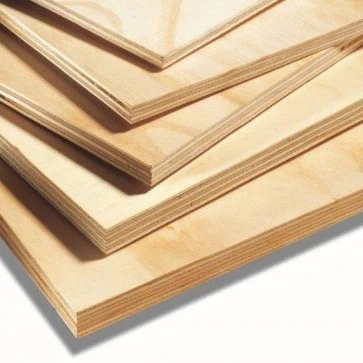
First off, let's talk about what LVL beams are. They're made by bonding multiple layers of thin wood veneers together with adhesives. This process creates a strong, stable, and versatile building material that's used in a variety of construction projects. But how do we make sure that the LVL beams we supply are of the highest quality?
Visual Inspection
The first step in testing the quality of an LVL beam is a visual inspection. This might sound simple, but it's actually a crucial part of the process. When I'm looking at an LVL beam, I'm checking for any obvious signs of damage or defects. This includes things like cracks, splits, or delamination (where the layers of veneer start to separate).
I also look at the overall appearance of the beam. Is it straight? Are the edges smooth? Any irregularities in the shape or surface of the beam could indicate a problem with the manufacturing process. For example, if the beam is warped, it might not perform as expected under load.
Density Testing
Another important test is density testing. The density of an LVL beam can tell us a lot about its strength and quality. Generally, a higher density means a stronger beam. To test the density, we take a small sample from the beam and measure its mass and volume. Then, we calculate the density using the formula: density = mass/volume.
We compare the measured density to the specified density for the particular grade of LVL beam. If the density is too low, it could mean that the beam doesn't have enough wood material or that the bonding process wasn't done correctly. On the other hand, if the density is too high, it could indicate that the beam is overly compressed, which might also affect its performance.
Moisture Content Testing
Moisture content is another key factor in the quality of an LVL beam. Wood is a hygroscopic material, which means it can absorb and release moisture depending on the surrounding environment. If an LVL beam has too much moisture, it can lead to problems like warping, swelling, and decay.
To test the moisture content, we use a moisture meter. This device measures the electrical resistance of the wood, which is related to its moisture content. The ideal moisture content for an LVL beam is usually between 6% and 12%. If the moisture content is outside of this range, we might need to take steps to adjust it before the beam is used in construction.
Strength Testing
Of course, one of the most important aspects of an LVL beam is its strength. To test the strength of an LVL beam, we perform a series of load tests. There are different types of load tests, but the most common one is the bending test.


In a bending test, we place the LVL beam on two supports and apply a load in the middle. We gradually increase the load until the beam fails. By measuring the load at which the beam fails and the deflection (how much the beam bends) at different load levels, we can determine the beam's bending strength and stiffness.
We also perform shear tests to measure the beam's ability to resist forces that act parallel to its cross-section. This is important because in real-world applications, LVL beams are often subjected to both bending and shear forces.
Adhesive Bond Testing
Since LVL beams are made by bonding multiple layers of veneer together, the quality of the adhesive bond is crucial. To test the adhesive bond, we use a variety of methods. One common method is the delamination test.
In a delamination test, we take a small sample from the LVL beam and subject it to a combination of heat, moisture, and mechanical stress. If the layers of veneer start to separate during the test, it indicates that the adhesive bond is not strong enough.
We also use chemical analysis to check the quality of the adhesive. This helps us ensure that the adhesive meets the required standards and that it will provide a long-lasting bond between the layers of veneer.
Compliance with Standards
In addition to these tests, we also make sure that our LVL beams comply with all relevant industry standards. These standards are set by organizations like the American National Standards Institute (ANSI) and the Canadian Standards Association (CSA).
Compliance with these standards ensures that our LVL beams are safe, reliable, and perform as expected. We keep detailed records of all our tests and inspections to demonstrate compliance to our customers.
Why Quality Testing Matters
You might be wondering why all these tests are so important. Well, the quality of an LVL beam can have a big impact on the safety and performance of a construction project. A low-quality LVL beam could fail under load, leading to structural damage or even collapse.
By performing thorough quality testing, we can ensure that our LVL beams meet the highest standards of quality and reliability. This gives our customers peace of mind knowing that they're using a product that they can trust.
Our High-Quality LVL Beams
At our company, we're committed to providing the highest quality LVL beams. We use state-of-the-art manufacturing processes and the latest testing equipment to ensure that every beam we supply meets or exceeds industry standards.
If you're looking for LVL Beams With A Solid Foundation, Trustworthy Laminated Veneer Lumber Beam, or Super Stable LVL Beam, you've come to the right place. Our LVL beams are known for their strength, stability, and durability.
Contact Us for Your LVL Beam Needs
If you're interested in purchasing LVL beams for your next construction project, I'd love to hear from you. Whether you're a contractor, builder, or DIY enthusiast, we can provide you with the right LVL beams for your needs. Just reach out to us, and we'll be happy to discuss your requirements and provide you with a quote.
References
- American National Standards Institute (ANSI). (Year). Standard for Laminated Veneer Lumber.
- Canadian Standards Association (CSA). (Year). Standard for Wood Products - Laminated Veneer Lumber.
- Wood Handbook: Wood as an Engineering Material. (Year). U.S. Department of Agriculture, Forest Service, Forest Products Laboratory.