Moisture-resistant balcony LVL (Laminated Veneer Lumber) columns have become a popular choice for modern balcony construction due to their strength, versatility, and aesthetic appeal. However, one of the critical concerns in using wooden materials, even those designed to be moisture-resistant, is their susceptibility to fungal decay. In this blog, we'll explore the resistance of moisture-resistant balcony LVL columns to fungal decay, drawing on scientific research and real-world applications as a supplier of these innovative products.
Understanding Fungal Decay in Wood
Fungal decay in wood is a biological process caused by various fungi that break down the wood's structural components. There are two main types of wood-decaying fungi: brown rot and white rot. Brown rot fungi primarily attack the cellulose and hemicellulose in wood, leaving behind a brown, crumbly residue. White rot fungi, on the other hand, break down both cellulose and lignin, often resulting in a bleached and fibrous appearance.
The growth of these fungi requires specific conditions, including a suitable temperature range (usually between 20 - 30°C), oxygen, and most importantly, moisture. Wood with a moisture content above 20% provides an ideal environment for fungal growth. In a balcony setting, exposure to rain, humidity, and condensation can cause the moisture content in wooden columns to rise, increasing the risk of fungal decay.
How Moisture-Resistant LVL Columns Are Made
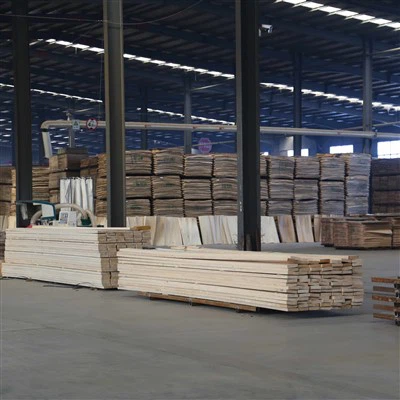
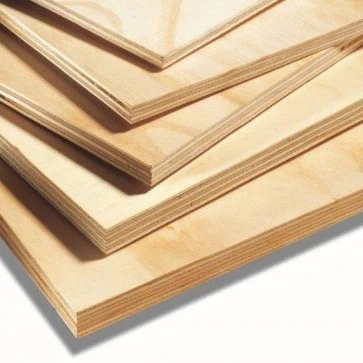
As a supplier of Moisture-resistant Balcony LVL Columns, we understand the importance of producing a product that can withstand the rigors of outdoor exposure. LVL is made by bonding multiple layers of thin wood veneers together with adhesives under high pressure and heat. The cross-laminated structure of LVL provides enhanced strength and dimensional stability compared to solid wood.
To make our LVL columns moisture-resistant, we use several techniques. First, we select high-quality wood species that naturally have some resistance to moisture and decay. Then, we treat the wood veneers with special preservatives before laminating them. These preservatives can be either water-based or oil-based, and they work by creating a barrier that prevents moisture from penetrating the wood and inhibits the growth of fungi and insects.
The Resistance Mechanisms Against Fungal Decay
Our moisture-resistant balcony LVL columns have several built-in mechanisms to resist fungal decay:
- Low Moisture Absorption: The preservative treatment and the cross-laminated structure reduce the column's ability to absorb moisture. When the moisture content remains below the critical level for fungal growth (less than 20%), the risk of decay is significantly reduced.
- Chemical Barrier: The preservatives used in the treatment act as a chemical barrier against fungi. They contain active ingredients that are toxic to fungi, preventing them from establishing and growing on the wood surface.
- Structural Integrity: The laminated construction of LVL provides a more uniform and stable structure compared to solid wood. This means that even if some surface decay occurs, the overall integrity of the column is less likely to be compromised.
Scientific Studies on Fungal Resistance
Numerous scientific studies have been conducted to evaluate the fungal resistance of LVL and other wood products. A study published in the Journal of Wood Science found that LVL treated with certain preservatives showed significantly better resistance to brown rot fungi compared to untreated LVL. The researchers exposed the samples to a laboratory environment with controlled humidity and temperature conditions, inoculated them with the fungi, and monitored the decay over a period of several weeks. The treated LVL samples had much lower weight loss due to decay, indicating a higher level of resistance.
Another study focused on the long-term performance of moisture-resistant LVL in outdoor settings. The researchers installed LVL columns in a real balcony environment and monitored their condition over several years. They found that the moisture-resistant LVL columns maintained their structural integrity and showed minimal signs of fungal decay, even after being exposed to harsh weather conditions.
Real-World Applications and Case Studies
In real-world applications, our moisture-resistant balcony LVL columns have proven their worth. For example, in a residential project in a coastal area with high humidity and frequent rainfall, our LVL columns were used for the balcony structure. After five years of service, a visual inspection revealed that the columns were in excellent condition, with no visible signs of fungal decay or structural damage.
In a commercial building project, our LVL columns were used in a balcony renovation. The building management was initially concerned about the durability of the wooden columns in the outdoor environment. However, after two years of use, the columns have remained stable and free from any decay issues, providing a cost-effective and aesthetically pleasing solution for the balcony.
Comparing with Other Materials
When compared to other materials commonly used for balcony columns, such as steel and concrete, our moisture-resistant LVL columns offer several advantages. Steel columns can be prone to corrosion in humid environments, especially if not properly coated. Concrete columns, while strong, can be heavy and may require more complex installation procedures.
Our LVL columns, on the other hand, are lightweight, easy to install, and have a natural aesthetic appeal. They also provide good thermal insulation properties, which can help reduce energy costs in the building. And with their high resistance to fungal decay, they offer a long-lasting and reliable solution for balcony construction.
Our Product Range
As a supplier, we offer a wide range of moisture-resistant balcony LVL columns to meet different customer needs. Our Good Quality LVL Columns for Structural Columns are designed for general structural applications, providing high strength and stability. The High Stability Laminated Veneer Lumber Columns are ideal for projects where extra stability is required, such as in high-rise buildings or areas with strong winds. And our Anti-corrosion LVL Columns Support are specifically treated to provide enhanced resistance to moisture and decay, making them suitable for harsh outdoor environments.
Conclusion and Call to Action
In conclusion, our moisture-resistant balcony LVL columns offer excellent resistance to fungal decay, thanks to their advanced manufacturing processes and preservative treatments. Scientific studies and real-world applications have demonstrated their durability and reliability in outdoor settings. Whether you are a builder, architect, or homeowner, our LVL columns can provide a cost-effective and sustainable solution for your balcony construction needs.
If you are interested in learning more about our moisture-resistant balcony LVL columns or would like to discuss a potential project, please feel free to reach out to us for procurement and negotiation. We look forward to working with you to bring your balcony vision to life.


References
- Journal of Wood Science, Study on Fungal Resistance of LVL Treated with Preservatives
- Long-Term Performance Study of Moisture-Resistant LVL in Outdoor Settings