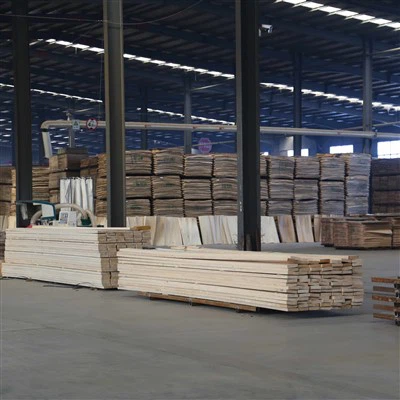
Transporting long-length laminated veneer lumber (LVL) beams requires careful planning and execution to ensure the safety of the product and the people involved. As a supplier of high-quality LVL beams, including the The Span Master LVL Engineering Beam, Super Stable LVL Beam, and Anti-corrosion Laminated Veneer Lumber Beam, I understand the importance of proper transportation methods. In this blog post, I will share some key considerations and best practices for transporting long-length LVL beams.
Pre-transportation Preparations
Before transporting long-length LVL beams, it is essential to conduct a thorough inspection of the beams to ensure they are in good condition. Check for any signs of damage, such as cracks, splinters, or warping. If any issues are found, address them before loading the beams onto the transport vehicle.
Next, determine the appropriate transportation method based on the length, weight, and quantity of the LVL beams. For shorter distances, a flatbed truck may be sufficient. However, for longer distances or larger quantities, a specialized trailer or a combination of trucks may be required. Ensure that the transport vehicle is in good working condition and has the necessary capacity to handle the weight and length of the beams.


Loading and Securing the Beams
Loading long-length LVL beams onto the transport vehicle requires careful attention to detail to prevent damage. Use appropriate lifting equipment, such as cranes or forklifts, to lift the beams onto the vehicle. Make sure the lifting points are evenly distributed along the length of the beams to avoid stress concentration.
Once the beams are on the vehicle, secure them properly to prevent movement during transportation. Use straps, chains, or other securing devices to hold the beams in place. Place padding between the beams and the securing devices to prevent damage to the surface of the beams. Ensure that the securing devices are tightened securely but not too tightly to avoid crushing the beams.
Route Planning
When transporting long-length LVL beams, it is important to plan the route carefully to avoid any potential hazards. Check for any low bridges, narrow roads, or other obstacles that may impede the transportation of the beams. Consider the weight and height restrictions of the roads and bridges along the route. If necessary, obtain any required permits or escorts for the transportation of the beams.
In addition, plan for rest stops and overnight stays if the transportation is a long-distance journey. Make sure the rest stops and overnight locations are safe and secure for the vehicle and the beams.
Weather Considerations
Weather conditions can have a significant impact on the transportation of long-length LVL beams. Rain, snow, wind, and extreme temperatures can all affect the integrity of the beams. If possible, avoid transporting the beams during adverse weather conditions. If transportation cannot be avoided, take appropriate precautions to protect the beams from the weather.
For example, cover the beams with a waterproof tarp to protect them from rain and snow. Use windbreaks or other measures to reduce the impact of strong winds. In extreme temperatures, take steps to prevent the beams from freezing or overheating.
Unloading and Storage
Once the long-length LVL beams reach their destination, it is important to unload them carefully to prevent damage. Use the same lifting equipment and techniques as during loading to unload the beams from the vehicle. Make sure the unloading area is clear and level.
After unloading, store the beams in a dry, well-ventilated area. Avoid storing the beams directly on the ground to prevent moisture absorption. Stack the beams properly to prevent warping or bending. If possible, cover the beams with a tarp to protect them from dust and debris.
Safety Precautions
Throughout the transportation process, safety should be the top priority. Ensure that all personnel involved in the transportation, including drivers, loaders, and unloaders, are trained and qualified to handle long-length LVL beams. Provide them with appropriate personal protective equipment, such as hard hats, safety glasses, and gloves.
Follow all safety regulations and guidelines when transporting the beams. Use caution when operating the lifting equipment and the transport vehicle. Be aware of the surroundings and watch out for any potential hazards.
Conclusion
Transporting long-length LVL beams requires careful planning, preparation, and execution to ensure the safety of the product and the people involved. By following the key considerations and best practices outlined in this blog post, you can minimize the risk of damage to the beams and ensure a successful transportation process.
If you are in need of high-quality LVL beams, including the The Span Master LVL Engineering Beam, Super Stable LVL Beam, and Anti-corrosion Laminated Veneer Lumber Beam, please feel free to contact us for more information. We are committed to providing our customers with the best products and services.