Hey there! As a supplier of LVL (Laminated Veneer Lumber) wood, I often get asked about how this fantastic material reacts to temperature changes. So, I thought I'd take a deep - dive into this topic and share some insights with you all.
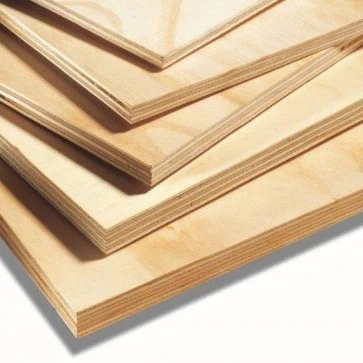
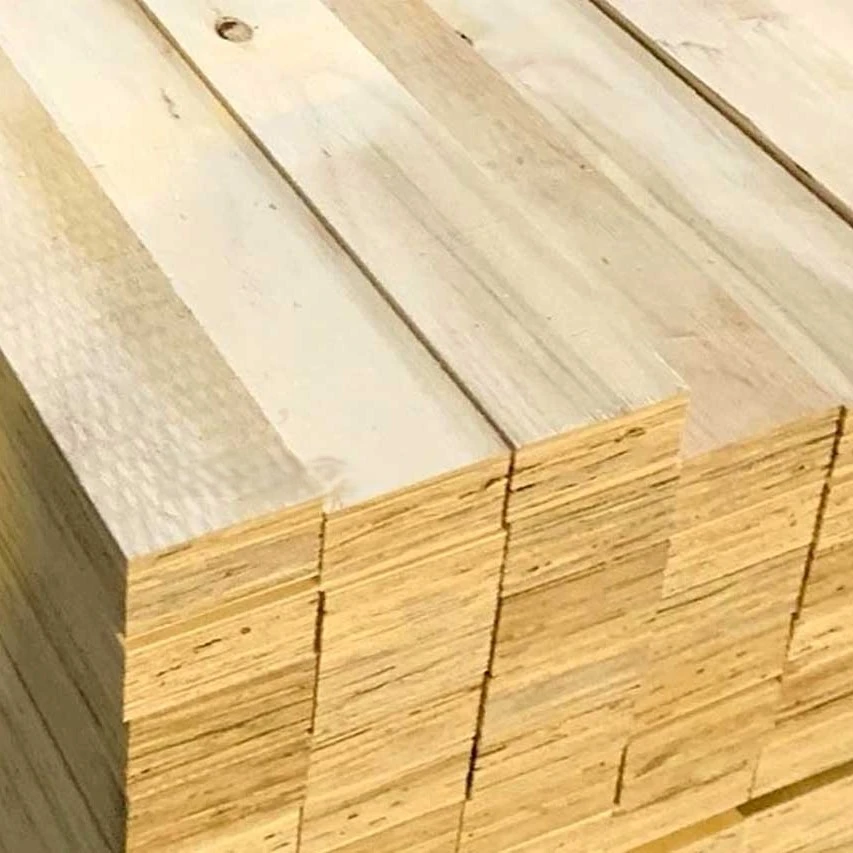
First off, let's understand what LVL wood is. It's made by gluing together thin layers of wood veneers with the grain of all the veneers running in the same direction. This manufacturing process gives LVL wood some unique properties that set it apart from traditional solid wood.
Now, onto the main question: how does LVL wood react to temperature changes? Well, like all wood - based products, LVL wood does respond to fluctuations in temperature. One of the most noticeable effects is dimensional change. When the temperature rises, the wood tends to expand, and when it drops, it contracts.
The expansion and contraction of LVL wood are mainly due to the moisture content within the wood. Wood is a hygroscopic material, which means it can absorb and release moisture from the surrounding environment. As the temperature goes up, the moisture in the wood starts to evaporate, causing the wood cells to shrink. Conversely, when the temperature drops, the wood can absorb moisture from the air, leading to expansion.
But here's the good news. Compared to solid wood, LVL wood has a more stable structure because of its laminated construction. The multiple layers of veneers glued together help to minimize the overall dimensional change. This is a huge advantage, especially in applications where stability is crucial, like in furniture or pallets.
Let's talk about some real - world scenarios. In a hot and dry climate, LVL wood might lose some moisture and shrink slightly. This could potentially cause some minor gaps in joints or fittings if not accounted for during the installation process. However, if you're using high - quality LVL wood from a reliable supplier (hint: like us!), the shrinkage is usually within an acceptable range.
On the other hand, in a cold and humid environment, LVL wood may absorb moisture and expand. This expansion can put stress on the surrounding structures. But again, the laminated nature of LVL wood helps to distribute this stress more evenly, reducing the risk of cracking or warping.
Another aspect to consider is the effect of extreme temperature changes. For example, if LVL wood is exposed to rapid and large - scale temperature swings, it can experience more significant dimensional changes. This is why it's important to store and use LVL wood in a relatively stable environment whenever possible.
Now, I'd like to mention some of the LVL wood products we offer. We have E0 Furniture LVL Timbers Eco Friendly. These timbers are not only environmentally friendly but also designed to withstand normal temperature variations in a household setting. They're perfect for making high - quality, long - lasting furniture.
Our Lightweight LVL Lumber with Strong Compression Resistance is another great option. It's ideal for applications where weight is a concern, yet you still need a material that can handle temperature - related stress. Whether it's for construction or DIY projects, this lumber won't let you down.
And if you're in the business of making pallets, our High Strength LVL Timbers for Pallets are a top choice. They can endure the rigors of transportation and storage, including temperature changes during transit.
When it comes to using LVL wood, there are a few tips I'd like to share. First, make sure to acclimate the wood to the environment where it will be used. This means letting it sit in the intended location for a few days before installation. This allows the wood to reach a moisture equilibrium with the surrounding air, reducing the risk of excessive dimensional change.
Second, use appropriate fasteners and connectors. Since LVL wood may expand and contract, using flexible fasteners can help accommodate these changes without causing damage to the wood or the structure.
In conclusion, LVL wood is a great material that can handle temperature changes quite well, thanks to its laminated construction. However, it's still important to be aware of its behavior and take the necessary precautions. Whether you're a furniture maker, a builder, or someone looking for high - quality wood products, our LVL wood can meet your needs.
If you're interested in learning more about our LVL wood products or want to start a procurement discussion, don't hesitate to reach out. We're here to help you find the perfect LVL wood solution for your project.

References
- Forest Products Laboratory. (2010). Wood Handbook: Wood as an Engineering Material. United States Department of Agriculture, Forest Service.
- Winandy, J. E., & Rowell, R. M. (2005). Wood Handbook: Wood as an Engineering Material. Madison, WI: U.S. Department of Agriculture, Forest Service, Forest Products Laboratory.