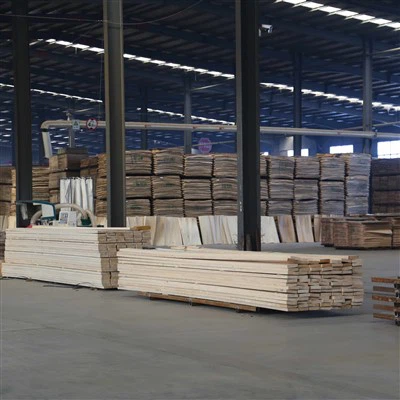
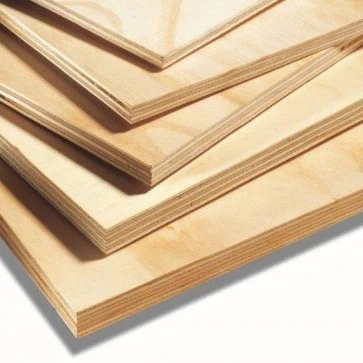
Can I stack different sizes of structural wood panels formwork safely?
As a supplier of Size Structural Wood Panels Formwork, I often receive inquiries from construction professionals about the safety of stacking different sizes of these formworks. In this blog post, I'll delve into this topic, providing scientific insights and practical advice to help you make informed decisions on your construction sites.


Understanding Structural Wood Panels Formwork
Structural wood panels formwork, such as Eco Frendliy Wood Panels Formwork Waterproof, Eco Wood Panels Formwork Film-Coated Plywood, and Easy-to-release Construction Formwork Plywood, are essential components in modern construction. They are used to shape and support concrete structures during the casting process. These panels come in various sizes, thicknesses, and grades, each designed to meet specific construction requirements.
Factors Affecting Safe Stacking
When considering stacking different sizes of structural wood panels formwork, several factors need to be taken into account to ensure safety.
- Load-Bearing Capacity: Each panel has a specified load-bearing capacity, which indicates the maximum weight it can support without deformation or failure. When stacking panels, the bottom panels must be able to withstand the combined weight of all the panels above them. Smaller panels may have a lower load-bearing capacity compared to larger ones, so it's crucial to arrange the stacking in a way that the stronger, larger panels are at the bottom.
- Stability: Stacking panels of different sizes can affect the overall stability of the stack. Irregularly shaped or sized panels may cause the stack to become unbalanced, increasing the risk of collapse. To maintain stability, it's important to stack the panels in a way that the center of gravity remains within the base of the stack. This can be achieved by aligning the panels properly and using appropriate spacers or supports if necessary.
- Moisture Content: Wood is a hygroscopic material, which means it can absorb and release moisture depending on the surrounding environment. High moisture content can weaken the panels and reduce their load-bearing capacity. When stacking panels, it's important to ensure that they are dry and stored in a dry environment to prevent moisture-related issues.
- Storage Conditions: The storage conditions of the panels also play a role in their safety during stacking. Panels should be stored on a flat, level surface that is free from debris and obstructions. They should also be protected from the elements, such as rain, snow, and direct sunlight, to prevent damage and deterioration.
Safe Stacking Practices
Based on the above factors, here are some safe stacking practices to follow when dealing with different sizes of structural wood panels formwork.
- Sort and Organize: Before stacking the panels, sort them by size, thickness, and grade. This will make it easier to arrange them in a way that maximizes stability and load-bearing capacity.
- Start with the Largest Panels: Place the largest, strongest panels at the bottom of the stack. This will provide a stable base and distribute the weight evenly across the stack.
- Align the Panels: Align the panels vertically and horizontally to ensure that the stack is straight and stable. Use spacers or supports if necessary to maintain proper alignment.
- Limit the Height of the Stack: To prevent the stack from becoming too tall and unstable, limit the height of the stack to a reasonable level. The maximum height will depend on the size and strength of the panels, as well as the storage conditions.
- Secure the Stack: Once the stack is complete, secure it with straps, bands, or other appropriate fasteners to prevent it from shifting or collapsing.
- Inspect the Stack Regularly: Regularly inspect the stack for signs of damage, deformation, or instability. If any issues are detected, take immediate action to correct them.
Case Studies
To illustrate the importance of safe stacking practices, let's look at a couple of case studies.
Case Study 1: Unsafe Stacking Leads to Collapse
In a construction site, workers stacked different sizes of structural wood panels formwork without considering the load-bearing capacity and stability of the stack. The smaller panels were placed at the bottom, while the larger panels were stacked on top. As a result, the bottom panels could not support the weight of the panels above them, and the stack collapsed, causing damage to the panels and posing a safety hazard to the workers.
Case Study 2: Safe Stacking Ensures Efficiency and Safety
In another construction site, workers followed the safe stacking practices outlined above. They sorted the panels by size, placed the largest panels at the bottom, and aligned the panels properly. They also limited the height of the stack and secured it with straps. As a result, the stack remained stable throughout the storage period, and the panels were in good condition when they were ready to be used.
Conclusion
In conclusion, it is possible to stack different sizes of structural wood panels formwork safely, but it requires careful planning and consideration of several factors. By understanding the load-bearing capacity, stability, moisture content, and storage conditions of the panels, and by following the safe stacking practices outlined in this blog post, you can minimize the risk of accidents and ensure the efficiency and safety of your construction site.
If you have any questions or need further information about stacking different sizes of structural wood panels formwork, or if you are interested in purchasing our high-quality Eco Frendliy Wood Panels Formwork Waterproof, Eco Wood Panels Formwork Film-Coated Plywood, or Easy-to-release Construction Formwork Plywood, please don't hesitate to contact us. We are here to provide you with the best solutions for your construction needs.
References
- American Wood Council. (2018). National Design Specification for Wood Construction.
- Construction Industry Research and Information Association. (2019). Safe Storage and Handling of Construction Materials.
- International Building Code. (2021). Structural Design Requirements for Wood Structures.