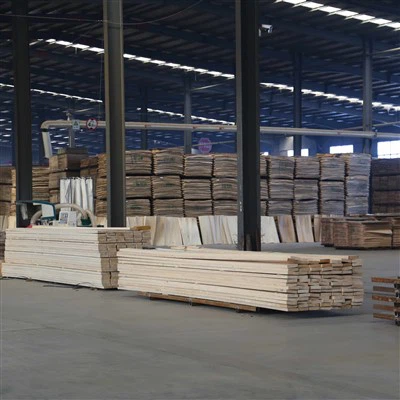
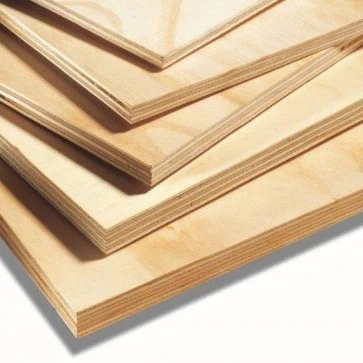
Color stability is a crucial factor when it comes to light - weight wood board formwork. As a supplier of light - weight wood board formwork, I have witnessed firsthand the importance of this characteristic in the construction industry. In this blog, we will delve into what color stability means for light - weight wood board formwork, its influencing factors, and why it matters.
What is Color Stability in Light - Weight Wood Board Formwork?
Color stability refers to the ability of light - weight wood board formwork to maintain its original color over time, despite exposure to various environmental conditions such as sunlight, moisture, and temperature changes. A formwork with good color stability will not fade, discolor, or develop stains easily, which is essential for both aesthetic and functional reasons.
From an aesthetic perspective, a formwork that retains its color throughout the construction process and even after multiple uses presents a more professional and appealing appearance. This is particularly important for projects where the formwork is visible or where the overall look of the construction site matters. Functionally, color stability can also be an indicator of the formwork's durability and resistance to environmental degradation.
Influencing Factors of Color Stability
1. Wood Species
Different wood species have varying levels of natural color stability. Some woods, like teak and cedar, contain natural oils and compounds that make them more resistant to color changes. When selecting wood for light - weight formwork, the choice of species can significantly impact its long - term color stability. For example, pine is a commonly used wood for formwork, but it may be more prone to color changes compared to some hardwoods. Our High Quality Pine Structural Wood Panels Formwork is carefully treated to enhance its color stability, but the inherent characteristics of pine still need to be considered.


2. Coating and Treatment
The type of coating and treatment applied to the light - weight wood board formwork plays a vital role in color stability. A high - quality film coating can act as a barrier against sunlight, moisture, and other environmental factors. Our Eco Wood Panels Formwork Film - Coated Plywood is designed with a special film coating that not only protects the wood from damage but also helps to maintain its color. The coating reflects a significant portion of the sunlight, reducing the risk of UV - induced color fading. Additionally, chemical treatments can be used to enhance the wood's resistance to fungi and insects, which can also cause discoloration.
3. Environmental Conditions
Exposure to sunlight, moisture, and temperature fluctuations can all affect the color stability of light - weight wood board formwork. Sunlight, especially ultraviolet (UV) radiation, is one of the main culprits for color fading. Prolonged exposure to direct sunlight can break down the wood's pigments and cause it to lose its original color. Moisture can lead to the growth of mold and mildew, which can stain the wood. Temperature changes can also cause the wood to expand and contract, potentially leading to surface cracks that can allow moisture and other contaminants to penetrate. Our Eco Frendliy Wood Panels Formwork Waterproof is designed to withstand these environmental challenges and maintain its color stability.
Why Color Stability Matters in Construction
1. Reusability
Light - weight wood board formwork is often reused multiple times in construction projects. A formwork with good color stability can be used more frequently without significant changes in appearance. This not only reduces the cost of purchasing new formwork but also contributes to sustainable construction practices. When the formwork retains its color, it is easier to inspect for damage and wear, ensuring that it can be safely reused.
2. Project Aesthetics
In some construction projects, the formwork is visible, either during the construction process or after the concrete has been poured. A formwork with consistent color can enhance the overall aesthetic appeal of the project. For example, in architectural concrete projects where the texture and appearance of the formwork are transferred to the concrete surface, color stability is crucial to achieve the desired visual effect.
3. Quality Assurance
Color stability can be an indirect indicator of the formwork's overall quality. A formwork that maintains its color is likely to be more resistant to other forms of degradation, such as moisture damage and mechanical wear. This means that it can provide better support for the concrete during the pouring and curing process, resulting in higher - quality concrete structures.
Testing and Evaluation of Color Stability
To ensure the color stability of our light - weight wood board formwork, we conduct a series of tests. One common test is the accelerated weathering test, where the formwork samples are exposed to simulated sunlight, moisture, and temperature changes in a controlled environment. The color of the samples is measured before and after the test using a colorimeter. A small change in color indicates good color stability.
We also monitor the formwork in real - world construction sites. By collecting feedback from our customers, we can evaluate how the formwork performs under actual environmental conditions. This feedback helps us to continuously improve our products and ensure that they meet the high standards of color stability required by the construction industry.
Conclusion
Color stability is an important characteristic of light - weight wood board formwork. It is influenced by factors such as wood species, coating and treatment, and environmental conditions. Good color stability not only enhances the aesthetic appeal of the formwork but also contributes to its reusability, project aesthetics, and overall quality.
As a supplier of light - weight wood board formwork, we are committed to providing products with excellent color stability. Our Eco Wood Panels Formwork Film - Coated Plywood, High Quality Pine Structural Wood Panels Formwork, and Eco Frendliy Wood Panels Formwork Waterproof are all designed to meet the demanding requirements of the construction industry.
If you are in the market for high - quality light - weight wood board formwork with excellent color stability, we invite you to contact us for a purchase consultation. We look forward to working with you to meet your construction needs.
References
- ASTM D4329 - 19 Standard Practice for Fluorescent Ultraviolet (UV) and Condensation Exposures of Nonmetallic Materials.
- DIN 53160 - 2:2018 - 08 Paints and varnishes - Determination of colour and colour differences - Part 2: Instrumental colour measurement.
- Wood Handbook: Wood as an Engineering Material, USDA Forest Service.