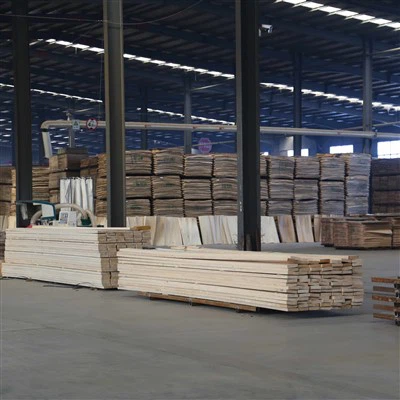
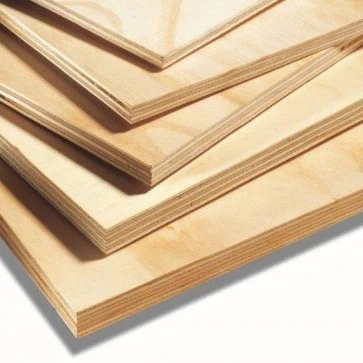
Laminated Veneer Lumber (LVL) has become a popular choice in the construction and furniture industries due to its strength, stability, and versatility. As a supplier of LVL wood, I often receive inquiries about how the quality of LVL wood is determined. In this blog post, I will delve into the key factors that influence the quality of LVL wood, providing you with a comprehensive understanding of what to look for when sourcing this material.
Raw Material Selection
The quality of LVL wood starts with the selection of raw materials. High - quality veneers are crucial for producing top - notch LVL. The type of wood species used plays a significant role. For instance, some hardwoods are known for their high density and strength, which can translate into a more robust LVL product. Softwoods, on the other hand, may offer a lighter weight option while still maintaining good structural integrity.
The moisture content of the veneers is another critical aspect. Veneers with excessive moisture can lead to issues such as warping, delamination, and fungal growth in the final LVL product. Ideally, the moisture content of the veneers should be carefully controlled within a specific range, typically around 8% - 12%. This ensures that the LVL remains stable during its service life.
Veneer Manufacturing Process
The manufacturing process of the veneers themselves impacts the quality of the LVL. The peeling process, which is used to obtain the thin veneers from logs, needs to be precise. A smooth and consistent peeling operation results in veneers with uniform thickness and minimal surface defects. Any irregularities in the veneer thickness can lead to uneven stress distribution in the LVL, potentially weakening the overall structure.
After peeling, the veneers are often dried to the appropriate moisture content. The drying process should be carefully monitored to prevent over - drying or uneven drying, which can cause cracking or splitting of the veneers. Additionally, proper handling of the veneers during storage and transportation is essential to avoid damage that could compromise the quality of the final LVL product.
Adhesive Quality and Application
The adhesive used to bond the veneers together is a key determinant of LVL quality. A high - quality adhesive provides strong and durable bonds between the veneers, ensuring the structural integrity of the LVL. The adhesive should have good resistance to moisture, heat, and chemicals, as these factors can affect the bond strength over time.
The application of the adhesive is also crucial. It should be evenly distributed across the veneer surfaces to ensure a consistent bond throughout the LVL. Improper adhesive application can lead to areas of weak bonding, which may result in delamination or reduced load - bearing capacity.
Lamination Process
The lamination process involves stacking the veneers and applying pressure to bond them together. The pressure applied during lamination must be sufficient to ensure a tight bond between the veneers. Insufficient pressure can lead to voids or weak bonds, while excessive pressure can damage the veneers.
The temperature and time during the lamination process are also important variables. These parameters need to be carefully controlled to activate the adhesive and achieve the desired bond strength. A well - controlled lamination process results in a homogeneous LVL product with consistent properties.
Quality Control Testing
To ensure the quality of LVL wood, rigorous quality control testing is carried out at various stages of production. These tests can include visual inspections to check for surface defects, such as knots, cracks, or discoloration. Physical and mechanical tests are also conducted to assess the strength, stiffness, and dimensional stability of the LVL.
For example, bending tests are commonly used to measure the flexural strength of the LVL. Compression tests can determine the material's ability to withstand compressive forces. Dimensional stability tests assess how the LVL responds to changes in moisture and temperature, which is important for applications where the material will be exposed to varying environmental conditions.
Compliance with Standards
Meeting industry standards is an important indicator of LVL quality. There are various national and international standards that specify the requirements for LVL wood, including its strength, durability, and performance characteristics. For instance, the Australian Standards LVL Timbers Size provide detailed guidelines on the sizing and quality of LVL products.
Compliance with these standards ensures that the LVL wood meets the necessary safety and performance requirements for its intended applications. It also gives customers confidence in the quality of the product they are purchasing.


Our Product Offerings
As a supplier, we offer a range of high - quality LVL wood products. Our Lightweight LVL Lumber with Strong Compression Resistance is an excellent choice for applications where weight is a concern but strength is still required. This product is carefully manufactured using high - quality veneers and a superior adhesive, ensuring its performance in various construction projects.
For furniture applications, our Insect - resistant LVL Timbers for Furniture are a great option. These timbers are treated to resist insect damage, making them ideal for long - lasting furniture pieces.
Conclusion
Determining the quality of LVL wood involves a comprehensive assessment of the raw materials, manufacturing processes, adhesive quality, and compliance with standards. By understanding these factors, customers can make informed decisions when sourcing LVL wood for their projects.
If you are interested in purchasing high - quality LVL wood for your construction or furniture needs, we invite you to contact us for a discussion. Our team of experts is ready to assist you in finding the right LVL product for your specific requirements.
References
- Forest Products Laboratory. (2010). Wood Handbook: Wood as an Engineering Material. USDA Forest Service.
- ASTM International. (20XX). Standard Specifications for Laminated Veneer Lumber (LVL). ASTM standards.