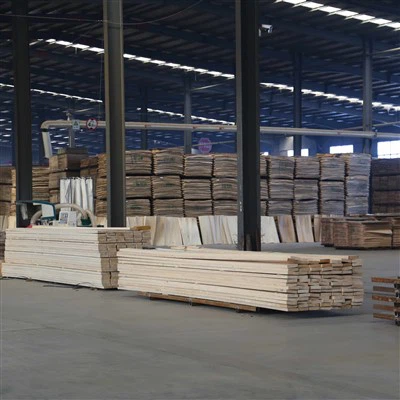
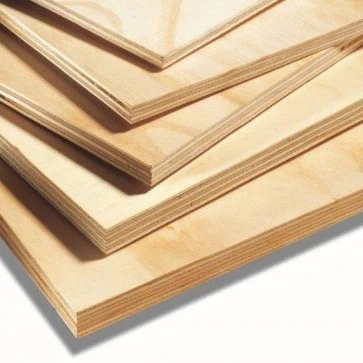
When it comes to constructing a durable and reliable roof, water-resistant structural plywood roof panels are often a top choice among builders and contractors. As a supplier of these high-quality panels, I am frequently asked about the R - value of water-resistant structural plywood roof panels. In this blog post, I'll delve into what the R - value is, how it applies to water-resistant structural plywood roof panels, and why it matters in your construction projects.
Understanding the R - value
The R - value is a measure of thermal resistance. It indicates how well a material resists the flow of heat. A higher R - value means better insulation properties, which translates to less heat transfer through the material. In the context of roofing, a material with a high R - value can help keep a building cooler in the summer and warmer in the winter, thus reducing energy costs associated with heating and cooling.


The R - value of a material is influenced by several factors, including its composition, density, and thickness. Different materials have different inherent R - values. For example, traditional insulation materials like fiberglass and foam often have relatively high R - values per inch of thickness.
R - value of Water - resistant Structural Plywood Roof Panels
Water-resistant structural plywood roof panels are made from layers of wood veneers bonded together with adhesives. These panels are designed to be strong, durable, and resistant to moisture. However, their primary function is not insulation.
The R - value of water-resistant structural plywood is relatively low compared to dedicated insulation materials. On average, the R - value of plywood is around 1 per inch of thickness. This means that a 1 - inch thick water-resistant structural plywood panel has an R - value of approximately 1. In comparison, fiberglass insulation can have an R - value of around 3.1 to 3.7 per inch, and some foam insulations can have even higher R - values.
It's important to note that the R - value of plywood can vary slightly depending on the type of wood used, the manufacturing process, and the presence of any additives. For instance, if the plywood has a special treatment that affects its density or composition, the R - value might be slightly different.
Why the R - value of Plywood Matters in Roofing
Even though the R - value of water-resistant structural plywood is not as high as that of dedicated insulation materials, it still plays a role in the overall thermal performance of a roof.
First, the plywood serves as a base layer for the roofing system. It provides a stable surface for other roofing components, such as shingles or membranes. By having some level of thermal resistance, it can contribute to the overall insulation of the roof.
Second, in some roofing systems, the plywood may be in direct contact with the interior space of the building. In such cases, its R - value can help reduce the immediate heat transfer between the roof and the interior, providing a small degree of thermal comfort.
However, it's crucial to understand that water-resistant structural plywood alone is not sufficient to meet the energy efficiency requirements of most modern buildings. To achieve optimal energy efficiency, it is often necessary to combine the plywood with additional insulation materials.
Combining Plywood with Insulation
To improve the thermal performance of a roof, builders typically combine water-resistant structural plywood with other insulation materials. There are several ways to do this:
- Attic Insulation: One common approach is to install insulation in the attic space above the ceiling. This can be done using materials like fiberglass batts, blown - in cellulose, or spray foam insulation. The plywood roof panels provide a structural base, while the attic insulation helps to reduce heat transfer through the roof.
- Insulated Roof Panels: Another option is to use insulated roof panels that incorporate both the structural plywood and insulation in a single unit. These panels are pre - fabricated and can offer better thermal performance than using the plywood and insulation separately.
- Under - deck Insulation: Some builders choose to install insulation directly under the plywood roof panels. This can be in the form of rigid foam boards or reflective insulation. This method helps to reduce heat gain from the sun's radiation and can improve the overall energy efficiency of the roof.
Our Water - resistant Structural Plywood Roof Panels
As a supplier of water-resistant structural plywood roof panels, we take pride in offering high - quality products. Our panels are manufactured using the latest technology and strict quality control measures to ensure they are strong, durable, and resistant to moisture.
We offer a variety of sizes and thicknesses to meet the different needs of our customers. Whether you are working on a small residential project or a large commercial building, we have the right panel for you. You can check out our Original Factory Structural Plywood Size for more details on the available sizes.
In addition to our standard panels, we also offer Moisture - resistant Structural Plywood for Wall and Eco Frendliy Structural Plywood In. These products are designed to meet the specific requirements of different construction applications.
Conclusion
The R - value of water-resistant structural plywood roof panels is an important consideration in roofing construction. While the R - value of plywood is relatively low compared to dedicated insulation materials, it still contributes to the overall thermal performance of the roof. By combining our high - quality water-resistant structural plywood with appropriate insulation materials, you can achieve a roof that is both strong and energy - efficient.
If you are interested in our water-resistant structural plywood roof panels or have any questions about their R - value and applications, please don't hesitate to contact us for a procurement discussion. We are here to help you find the best solutions for your construction projects.
References
- ASHRAE Handbook of Fundamentals. American Society of Heating, Refrigerating and Air - Conditioning Engineers.
- Wood Handbook: Wood as an Engineering Material. United States Department of Agriculture Forest Service.