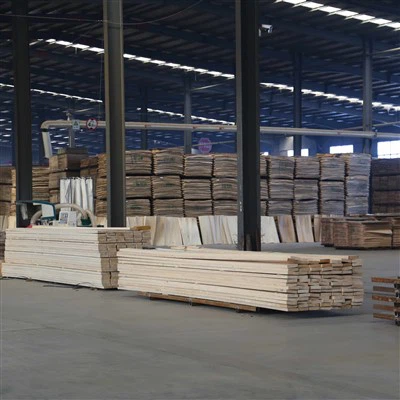
Laminated veneer lumber (LVL) columns have gained significant popularity in the construction industry due to their numerous advantages over traditional building materials. As a supplier of LVL columns, I have witnessed firsthand the growing demand for these versatile and high - performing structural elements. In this blog, we will explore the strength of LVL columns, delving into the factors that contribute to their robustness and why they are an excellent choice for a wide range of construction projects.
Understanding Laminated Veneer Lumber
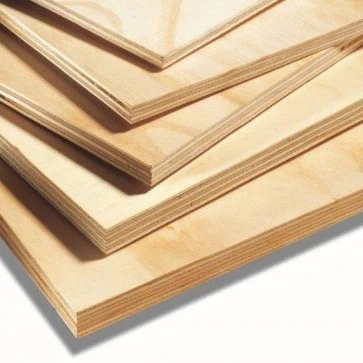
Before we discuss the strength of LVL columns, it's essential to understand what LVL is. LVL is an engineered wood product made by bonding multiple thin wood veneers together with adhesives. These veneers are typically aligned with their grain in the same direction, which enhances the material's strength and stability. The manufacturing process allows for precise control over the quality and properties of the final product, resulting in a consistent and reliable building material.
Factors Contributing to the Strength of LVL Columns
1. Wood Species
The choice of wood species used in the production of LVL columns plays a crucial role in determining their strength. Commonly used wood species for LVL include southern pine, Douglas - fir, and radiata pine. Each species has its own unique strength characteristics. For example, Douglas - fir is known for its high strength - to - weight ratio, making it an ideal choice for applications where structural integrity is paramount. The natural properties of the wood, such as its density and fiber strength, are carried over into the LVL product, contributing to its overall strength.


2. Veneer Quality
The quality of the individual veneers used in LVL production is another important factor. High - quality veneers are free from defects such as knots, splits, and decay. These defects can weaken the overall structure of the LVL column. During the manufacturing process, veneers are carefully selected and graded to ensure that only the best ones are used. By using high - quality veneers, the strength and reliability of the LVL columns are significantly enhanced.
3. Adhesive Bonding
The adhesive used to bond the veneers together is a critical component in the strength of LVL columns. Modern adhesives are designed to provide a strong and durable bond that can withstand the stresses and loads placed on the columns. The adhesive must be able to resist moisture, temperature changes, and other environmental factors. A strong adhesive bond ensures that the veneers work together as a single unit, distributing the load evenly across the column and preventing delamination.
4. Manufacturing Process
The manufacturing process of LVL columns is highly controlled. The veneers are carefully stacked and pressed under high pressure to ensure a tight and uniform bond. The pressure and temperature during the pressing process are precisely regulated to optimize the adhesive bond and the overall strength of the column. Additionally, the manufacturing process allows for the production of LVL columns with consistent dimensions and properties, which is essential for accurate and reliable construction.
Structural Performance of LVL Columns
1. Compressive Strength
One of the most important strength characteristics of LVL columns is their compressive strength. Compressive strength refers to the ability of the column to withstand a load applied axially (along its length). LVL columns typically have high compressive strength, making them suitable for supporting heavy loads in buildings. In fact, in many cases, LVL columns can support loads comparable to or even greater than traditional solid - sawn timber columns of the same size. This high compressive strength allows for the use of smaller - sized LVL columns in some applications, which can result in cost savings and more efficient use of space.
2. Flexural Strength
Flexural strength is the ability of the column to resist bending. LVL columns have excellent flexural strength due to the alignment of the wood veneers and the strong adhesive bond. This makes them suitable for applications where the columns may be subjected to lateral loads or where they need to span longer distances. For example, in roof construction, LVL columns can provide the necessary support while also allowing for larger open spaces without the need for additional intermediate supports.
3. Shear Strength
Shear strength is the ability of the column to resist forces that act parallel to its cross - section. LVL columns have good shear strength, which is important for transferring loads between different structural elements. In a building, shear forces can occur due to wind, seismic activity, or other dynamic loads. The high shear strength of LVL columns ensures that they can safely transfer these forces and maintain the structural integrity of the building.
Applications of LVL Columns
LVL columns are used in a wide variety of construction applications due to their strength and versatility.
1. Residential Construction
In residential construction, LVL columns are commonly used to support the weight of the roof, floors, and upper stories. They can be used in both new construction and renovation projects. For example, E0 LVL Columns for Roof Construction are an excellent choice for providing a strong and stable support system for roofs. Their high strength allows for the creation of open - concept living spaces without the need for intrusive load - bearing walls.
2. Commercial Construction
In commercial buildings, LVL columns are used in larger - scale projects such as office buildings, shopping centers, and warehouses. They can support heavy loads and long spans, making them suitable for the large open spaces typically found in commercial construction. For instance, in a warehouse, LVL columns can be used to support the roof structure over a large area, providing a cost - effective and efficient solution.
3. Outdoor Structures
LVL columns are also suitable for outdoor structures such as balconies and pergolas. Moisture - resistant Balcony LVL Columns are designed to withstand the harsh outdoor environment, including exposure to moisture and UV rays. Their strength and durability make them a reliable choice for these types of applications.
Environmental Benefits and Strength
In addition to their strength, LVL columns offer significant environmental benefits. Environmentally Friendly LVL Columns are made from renewable resources, and the manufacturing process is relatively energy - efficient. The use of LVL columns can contribute to sustainable building practices, which is becoming increasingly important in the construction industry. Moreover, the strength of LVL columns allows for the use of less material compared to some traditional building materials, further reducing the environmental impact.
Conclusion
In conclusion, LVL columns are an incredibly strong and versatile building material. Their strength is determined by a combination of factors, including the wood species, veneer quality, adhesive bonding, and manufacturing process. With high compressive, flexural, and shear strength, LVL columns are suitable for a wide range of construction applications, from residential to commercial and outdoor structures. Additionally, their environmental benefits make them an attractive choice for sustainable building projects.
If you are in the market for high - quality LVL columns for your next construction project, I encourage you to reach out to discuss your specific requirements. Our team of experts can provide you with detailed information on the strength and suitability of our LVL columns for your application. We look forward to the opportunity to work with you and contribute to the success of your construction project.
References
- Forest Products Laboratory. (2010). Wood Handbook: Wood as an Engineering Material. U.S. Department of Agriculture, Forest Service.
- Smith, J. D., & Jones, R. B. (2015). Engineered Wood Products: Properties and Applications. McGraw - Hill Education.
- ASTM International. (2020). Standard Specification for Laminated Veneer Lumber (LVL) for Structural Purposes. ASTM D3737.