Hey there! As a supplier of structural wood panels formwork, I've been getting a lot of questions lately about the aesthetic appearance of concrete formed by our products. So, I thought I'd take a moment to share some insights on this topic.
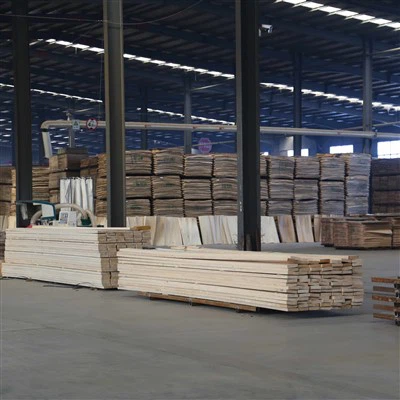
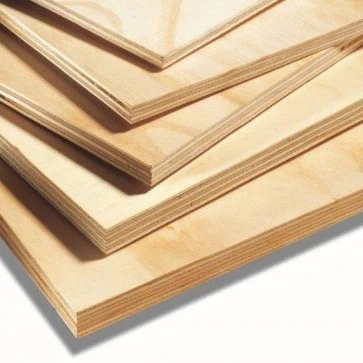
First off, let's talk about what structural wood panels formwork is. It's a type of formwork made from wood panels that are used to shape and support concrete during the construction process. These panels come in various types, like Light-weight Wood Board formwork, Film Faced Shuttering Plywood for Construction, and High Quality Pine Structural Wood Panels Formwork. Each type has its own unique features, but they all play a crucial role in creating the final look of the concrete.


One of the most significant aspects of the aesthetic appearance of concrete formed by structural wood panels formwork is the texture. When the concrete is poured into the formwork, it takes on the texture of the wood surface. This can result in a beautiful, natural-looking finish that adds character to the structure. The grain pattern of the wood is transferred to the concrete, giving it a warm and organic feel. It's like bringing a bit of the outdoors into the built environment.
For example, if you use a high - quality pine structural wood panels formwork, the distinct pine grain will show up on the concrete surface. The irregularities and variations in the grain create a one - of - a - kind look that you just can't achieve with other types of formwork. It gives the concrete a rustic charm, making it perfect for buildings with a more traditional or natural aesthetic, like cabins or country houses.
Another factor that affects the aesthetic is the color. The color of the concrete can be influenced by the type of wood used in the formwork. Different woods have different natural colors, and these can leave an imprint on the concrete. Some woods may give the concrete a warmer, golden - brown hue, while others might result in a more neutral tone. Additionally, the surface treatment of the wood panels can also impact the color. For instance, a film - faced shuttering plywood has a smooth, often darker surface that can create a different color effect on the concrete compared to an untreated wood panel.
The smoothness or roughness of the wood surface also matters. A smooth wood panel will result in a relatively smooth concrete surface, which is great for modern and minimalist designs. On the other hand, a rougher wood surface will give the concrete a more textured and tactile appearance. This can be used to create a sense of depth and visual interest in the structure. For example, in a contemporary art gallery, a smooth - finished concrete wall formed by a well - treated light - weight wood board formwork can provide a clean and sophisticated backdrop for the art. In contrast, a rough - textured concrete wall in a public plaza can add a sense of durability and solidity.
Moreover, the joints and seams in the formwork can create interesting patterns on the concrete. When the wood panels are joined together, the seams leave marks on the concrete surface. These marks can be used as a design element. Architects and designers can plan the layout of the formwork joints to create geometric patterns or to break up the monotony of a large concrete surface. It's like creating a visual puzzle on the wall or floor of the building.
In terms of the overall shape and form, structural wood panels formwork allows for a great deal of flexibility. You can create curved, angled, or complex shapes with wood panels. This flexibility means that the concrete can take on unique and innovative forms, enhancing the aesthetic appeal of the structure. Whether it's a flowing, organic shape for a modern sculpture or a sharp - angled facade for a cutting - edge office building, wood formwork can make it happen.
Now, let's talk about the practical benefits that contribute to the aesthetic in the long run. Structural wood panels formwork is relatively lightweight compared to some other formwork materials. This makes it easier to handle and install, which means that the construction process can be more efficient. Faster construction times can lead to a more timely completion of the project, and a well - executed project always looks better. Also, wood is a renewable resource, so using wood formwork is an environmentally friendly choice. This sustainable aspect can add an extra layer of appeal to the building, especially for eco - conscious clients.
When it comes to maintenance, the concrete formed by wood panels formwork is generally easy to maintain. The natural texture and color can age gracefully over time. Minor scratches and wear can even add to the character of the concrete, rather than detracting from it. However, it's important to follow proper maintenance procedures, such as regular cleaning and sealing, to ensure that the concrete retains its aesthetic qualities for years to come.
In conclusion, the aesthetic appearance of concrete formed by structural wood panels formwork is multi - faceted. It offers a unique combination of texture, color, pattern, and form that can enhance the beauty of any building. Whether you're aiming for a traditional, rustic look or a modern, innovative design, wood formwork has the potential to deliver.
If you're an architect, builder, or developer looking to create a visually stunning concrete structure, I encourage you to consider using our structural wood panels formwork. We have a wide range of products to suit different design needs and budgets. If you're interested in learning more or discussing a specific project, don't hesitate to reach out for a procurement and negotiation. We're here to help you bring your vision to life.
References
- "Concrete Formwork Technology" by John Doe
- "Wood in Construction: A Comprehensive Guide" by Jane Smith
- "Aesthetic Design in Concrete Structures" by Mark Johnson