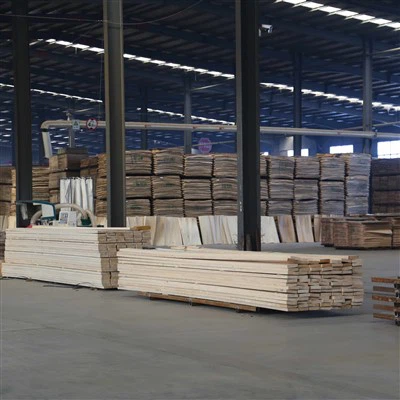
Hey there! As a supplier of Anti-corrosion LVL Columns Support, I often get asked about how to calculate the number of these columns needed for a project. It's a crucial question because getting the quantity right is essential for the safety and stability of the structure. In this blog, I'll walk you through the process step by step.
Understanding the Basics of Anti-corrosion LVL Columns Support
First off, let's talk a bit about what Anti-corrosion LVL Columns Support are. LVL stands for Laminated Veneer Lumber. It's made by bonding multiple layers of thin wood veneers together with adhesives. The anti-corrosion treatment makes these columns highly resistant to rot, decay, and insect damage, which is super important, especially in outdoor or high-moisture environments.
These columns are widely used in various construction projects, such as building houses, bridges, and commercial buildings. They provide strong support for the structure and can handle significant loads.
Factors Affecting the Number of Columns Needed
Before we start calculating, we need to consider several factors that can influence the number of anti-corrosion LVL columns required for a project.
Load Requirements
The first and most important factor is the load that the columns need to support. This includes the dead load (the weight of the structure itself, like the roof, walls, and floors) and the live load (the weight of people, furniture, snow, wind, etc.). The heavier the load, the more columns you'll need.
For example, a large commercial building with multiple floors and a lot of equipment will have a much higher load than a small single-family home. So, the commercial building will require more anti-corrosion LVL columns to ensure its stability.
Column Spacing
Column spacing refers to the distance between adjacent columns. A smaller column spacing means more columns will be needed, but each column will have to bear less load. On the other hand, a larger column spacing means fewer columns, but each column will have to support a greater load.
The appropriate column spacing depends on the type of structure and the load requirements. In general, for residential buildings, a column spacing of 8 to 12 feet is common, while for commercial buildings, it can range from 10 to 20 feet.
Column Size and Strength
The size and strength of the anti-corrosion LVL columns also play a role in determining the number needed. Larger columns can support more weight than smaller ones. So, if you use larger columns, you may be able to use fewer of them.
The strength of the columns is determined by the quality of the wood veneers and the adhesive used in the manufacturing process. Good Quality LVL Columns for Structural Columns are designed to meet specific strength standards and can provide reliable support for the structure.
Calculating the Number of Columns
Now that we've covered the factors, let's get into the actual calculation. Here's a step-by-step guide:
Step 1: Determine the Total Load
The first step is to calculate the total load that the columns need to support. This can be a complex process, especially for large and complex structures. You may need to consult a structural engineer or use specialized software to calculate the dead load and live load accurately.
For a simple example, let's say we're building a small shed. The dead load of the shed (including the roof, walls, and floor) is estimated to be 2,000 pounds, and the live load (due to snow and wind) is estimated to be 1,000 pounds. So, the total load is 2,000 + 1,000 = 3,000 pounds.
Step 2: Determine the Allowable Load per Column
The allowable load per column is the maximum load that a single column can safely support. This value depends on the size and strength of the column. You can find the allowable load per column in the manufacturer's specifications or consult a structural engineer.
Let's assume that we're using anti-corrosion LVL columns with an allowable load of 1,000 pounds per column.


Step 3: Calculate the Number of Columns
To calculate the number of columns needed, divide the total load by the allowable load per column. In our example, the total load is 3,000 pounds, and the allowable load per column is 1,000 pounds. So, the number of columns needed is 3,000 / 1,000 = 3 columns.
However, this is a very simplified example. In real-world projects, you also need to consider the column spacing and the distribution of the load. You may need to adjust the number of columns accordingly to ensure that the load is evenly distributed and the structure is stable.
Special Considerations for Different Projects
Residential Construction
In residential construction, anti-corrosion LVL columns are often used for supporting the roof and the upper floors. When calculating the number of columns for a house, you need to consider the layout of the rooms, the size of the house, and the type of roof.
For example, if you have a large open living area with a high ceiling, you may need more columns to support the roof. On the other hand, if you have a smaller house with a simple roof design, you may be able to use fewer columns.
Commercial Construction
Commercial buildings usually have more complex load requirements and larger floor areas. In addition to the dead load and live load, you also need to consider the load from equipment, machinery, and people.
For commercial projects, it's essential to work with a professional structural engineer to ensure that the number of anti-corrosion LVL columns is calculated accurately. The engineer will take into account all the factors and design a column layout that meets the safety and stability requirements of the building.
Outdoor Structures
Outdoor structures, such as decks, pergolas, and gazebos, are exposed to the elements and require anti-corrosion LVL columns to prevent rot and decay. When calculating the number of columns for outdoor structures, you need to consider the load from the structure itself, as well as the load from wind, snow, and rain.
In addition, you may need to use larger columns or a smaller column spacing to ensure the stability of the structure in outdoor conditions.
Benefits of Using Anti-corrosion LVL Columns Support
Using anti-corrosion LVL columns support offers several benefits for your construction project:
Durability
As mentioned earlier, the anti-corrosion treatment makes these columns highly resistant to rot, decay, and insect damage. This means that they can last for a long time, even in harsh environments.
Strength
LVL columns are stronger than traditional solid wood columns. They can handle significant loads and provide reliable support for the structure.
Versatility
Anti-corrosion LVL columns can be used in a wide range of construction projects, from small residential buildings to large commercial structures. They can be cut, drilled, and shaped to fit your specific needs.
Cost-effectiveness
Although the initial cost of anti-corrosion LVL columns may be slightly higher than traditional solid wood columns, their long lifespan and low maintenance requirements make them a cost-effective choice in the long run.
Conclusion
Calculating the number of anti-corrosion LVL columns support needed for a project is a crucial step in ensuring the safety and stability of the structure. By considering the load requirements, column spacing, column size and strength, and other factors, you can accurately determine the number of columns needed.
If you're planning a construction project and need anti-corrosion LVL columns support, we're here to help. We offer high-quality Anti-corrosion LVL Columns Support that meet the highest industry standards. Whether you're building a small shed or a large commercial building, we can provide you with the right columns for your project.
If you have any questions or need more information, feel free to contact us. We'll be happy to assist you with your procurement and answer any questions you may have. Let's work together to make your construction project a success!
References
- "Building Construction Handbook" by Edward Allen and Joseph Iano
- "Structural Engineering Handbook" by William A. Nash