Are there any size - specific design guidelines for using structural wood panels formwork in seismic - prone areas?
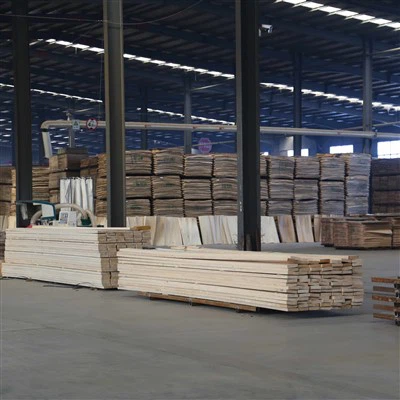
As a supplier of Size Structural Wood Panels Formwork, I've often been asked about the application of our products in seismic - prone areas. The use of structural wood panels formwork in such regions requires careful consideration, especially when it comes to size - specific design guidelines.
Importance of Seismic - Resistant Formwork Design
In seismic - prone areas, the formwork used in construction plays a crucial role in ensuring the safety and stability of the structures. Earthquakes can subject buildings to significant lateral forces, and the formwork must be able to withstand these forces during the construction process and contribute to the overall seismic performance of the final structure.
Structural wood panels formwork offers several advantages, such as being lightweight, easy to handle, and cost - effective. However, its performance under seismic loads depends on various factors, including the size of the panels.
Size - Related Considerations
Panel Dimensions
The size of the structural wood panels can affect their seismic performance. Larger panels may have a greater surface area to resist lateral forces, but they also pose challenges in terms of handling and installation. For example, a very large panel may be more difficult to align accurately during the formwork assembly, which could lead to uneven load distribution.
On the other hand, smaller panels may be easier to handle and install, but they may require more joints. Joints in the formwork can be potential weak points under seismic loads, as they may not transfer forces as effectively as a continuous panel. Therefore, finding the right balance in panel size is essential.
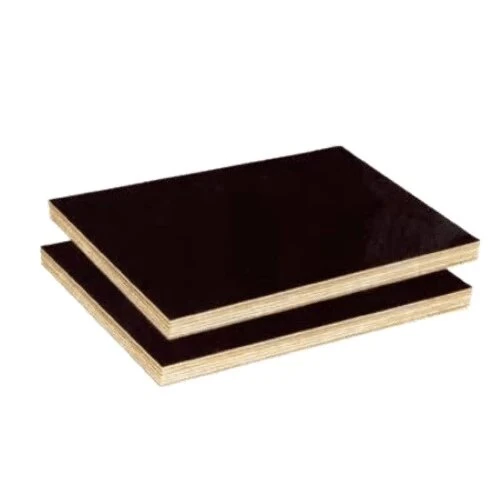
Typically, for seismic - prone areas, panels with dimensions that are neither too large nor too small are preferred. Our 1220*2440 Marine Film Faced Formwork Plywood offers a good compromise. It has a standard size that is widely used in the construction industry and can be easily integrated into seismic - resistant formwork designs.
Panel Thickness
The thickness of the structural wood panels is another important size - related factor. Thicker panels generally have higher stiffness and strength, which can enhance the formwork's ability to resist seismic forces. However, increasing the thickness also increases the weight of the panels, which may require more robust support systems.
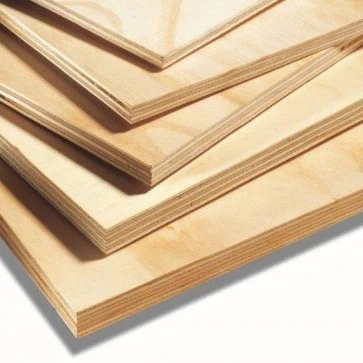
In seismic - prone areas, it is necessary to select the appropriate panel thickness based on the expected seismic loads and the overall design of the formwork. Our Easy - to - release Construction Formwork Plywood comes in different thicknesses, allowing construction professionals to choose the most suitable option for their specific projects.
Design Guidelines Based on Size
Connection Design
When using structural wood panels formwork in seismic - prone areas, the connection design between panels is crucial. The connections should be able to transfer forces effectively and prevent panel separation under seismic loads.
For larger panels, more robust connection systems may be required. This could include using mechanical fasteners such as nails, screws, or bolts, along with adhesives to ensure a strong bond. Smaller panels may rely more on the joint design and the use of appropriate sealing materials to maintain the integrity of the formwork.
Support Systems
The size of the structural wood panels also influences the design of the support systems. Larger panels may require more widely spaced supports, but these supports need to be stronger to withstand the concentrated loads. Smaller panels, on the other hand, may allow for more closely spaced supports, which can distribute the loads more evenly.

In seismic - prone areas, the support systems should be designed to resist both vertical and lateral loads. This may involve using diagonal bracing, tie - backs, or other seismic - resistant features.
Case Studies
Let's take a look at some real - world examples to illustrate the importance of size - specific design guidelines for structural wood panels formwork in seismic - prone areas.
In a recent construction project in a seismic - active region, the use of large - sized structural wood panels without proper connection design led to significant damage during a minor earthquake. The panels separated at the joints, causing the formwork to lose its integrity and affecting the quality of the concrete pour.
In contrast, another project that used appropriately sized panels with a well - designed connection and support system was able to withstand a moderate earthquake without any major damage to the formwork. The Film Faced Shuttering Plywood for Construction used in this project was carefully selected based on its size and thickness, and the formwork design was optimized for seismic resistance.
Conclusion
In conclusion, there are indeed size - specific design guidelines for using structural wood panels formwork in seismic - prone areas. The size of the panels, including their dimensions and thickness, can significantly affect the formwork's seismic performance. By carefully considering these factors and following the appropriate design guidelines, construction professionals can ensure the safety and stability of their formwork systems in earthquake - prone regions.
As a supplier of Size Structural Wood Panels Formwork, we are committed to providing high - quality products and technical support to help our customers meet the challenges of seismic - resistant construction. If you are involved in a construction project in a seismic - prone area and need more information about our products or assistance with formwork design, please feel free to contact us for further discussion and procurement negotiation.
References
- ACI 318 - 19: Building Code Requirements for Structural Concrete and Commentary.
- FEMA P - 750: Seismic Design Manual for Woodframe Buildings.
- National Design Specification (NDS) for Wood Construction.