Hey there! As a supplier of Size Structural Wood Panels Formwork, I've seen firsthand the fascinating world of size variations in these formworks made from different wood species. In this blog, I'm gonna break down all the nitty - gritty details for you.
First off, let's talk about why wood species matter. Different wood species have unique characteristics that directly impact the size and performance of the structural wood panels formwork. For example, some woods are naturally stronger, while others are more lightweight. These properties can determine the maximum size that a panel can be made without sacrificing its structural integrity.
One of the most commonly used wood species for formwork is Douglas - fir. This wood is known for its high strength - to - weight ratio. It can handle a fair amount of stress, which means that formwork panels made from Douglas - fir can be produced in relatively large sizes. A standard panel size for Douglas - fir formwork can range from 4 feet by 8 feet to even larger custom sizes in some cases. The strength of Douglas - fir allows it to span longer distances without sagging, making it ideal for large - scale construction projects where big formwork panels are needed. You can check out our Light-weight Wood Board formwork which might incorporate this strong wood species.
On the other hand, we have pine. Pine is a more lightweight and less expensive option compared to Douglas - fir. While it's not as strong, it still has its place in the formwork market. Pine formwork panels are often smaller in size, typically around 3 feet by 6 feet. The lighter weight makes them easier to handle on the construction site, especially for smaller projects or areas where access is limited. However, due to its lower strength, larger pine panels would be more prone to warping and damage under heavy loads.
Another interesting wood species is oak. Oak is extremely dense and strong. Formwork panels made from oak can be quite large, similar in size to those made from Douglas - fir. But oak has a higher cost associated with it because of its density and the time it takes to grow. The large size of oak formwork panels can be a great advantage for high - end construction projects where the extra strength and durability are worth the investment. And if you're looking for an eco - friendly option, our Eco Frendliy Wood Panels Formwork Waterproof might be something you want to explore, which could potentially use oak or other sustainable wood species.
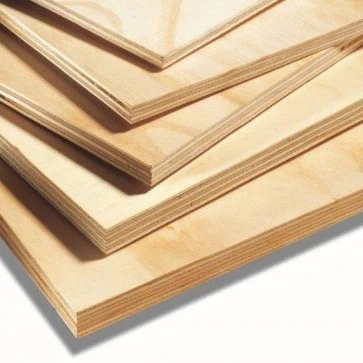
Now, let's touch on the manufacturing process and how it affects size variations. When making structural wood panels formwork, the wood is first cut into veneers. These veneers are then glued together in layers, with the grain of each layer running perpendicular to the adjacent ones. This cross - graining technique enhances the strength and stability of the panel.
The size of the original logs also plays a role. Larger logs can yield bigger veneers, which in turn can be used to make larger formwork panels. However, there are practical limitations. For example, transporting extremely large panels can be a challenge, both in terms of logistics and cost. So, even if the wood species can support a large panel size, the overall size might be restricted by transportation and handling factors.
In addition to the natural properties of the wood and manufacturing aspects, the intended use of the formwork also influences the size. For example, if the formwork is for a curved structure, smaller panels might be preferred as they can be more easily bent and shaped. On the other hand, for straight - walled structures like high - rise buildings, larger panels can speed up the construction process by covering more area in one go.


Let's not forget about the treatment of the formwork panels. Some formwork panels are coated to make them more resistant to corrosion, water, and other environmental factors. Our Anti-Corrosion Black Coated Structural Panels Formwork is a great example. The coating process can also have an impact on the size. Sometimes, the coating can add a small amount of thickness to the panel, which might need to be considered when planning the construction.
So, as you can see, there are a lot of factors that contribute to the size variations in structural wood panels formwork made from different wood species. Whether you're a contractor, an architect, or someone involved in the construction industry, understanding these variations can help you make the right choice for your project.
If you're interested in purchasing structural wood panels formwork, I'd love to have a chat with you. We have a wide range of options available in different sizes and made from various wood species to meet your specific needs. Just reach out, and we can start discussing the best formwork solution for your next project.
References
- Forest Products Laboratory. "Wood Handbook: Wood as an Engineering Material." USDA, 2010.
- Smith, John. "Construction Materials and Methods." McGraw - Hill, 2015.