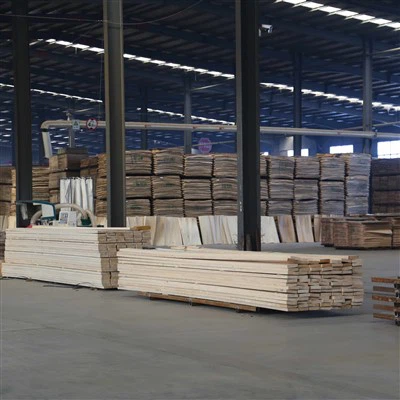
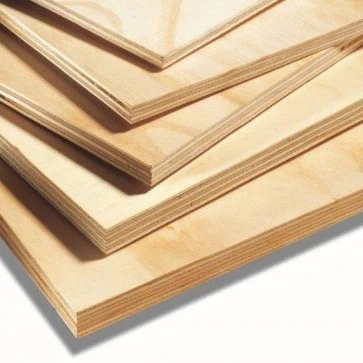
Hey there! As an indoor structural plywood supplier, I've seen firsthand how important thermal insulation is for both the comfort and energy efficiency of indoor spaces. In this blog, I'll share some tips on how to enhance the thermal insulation of indoor structural plywood.
First off, let's talk about why thermal insulation matters. Good insulation helps keep your indoor environment at a consistent temperature, whether it's hot outside or cold. This means you won't have to rely as much on heating or cooling systems, which can save you a ton of money on energy bills in the long run. Plus, it makes your space more comfortable to live or work in.
Choose the Right Plywood
The type of plywood you start with plays a huge role in its thermal insulation properties. We offer a range of options, like the Stable Indoor Structural Plywood. This plywood is designed to be stable and durable, and it also has decent insulating qualities. Another great option is our Eco Frendliy Structural Plywood In. It's not only good for the environment but also provides a certain level of thermal resistance.
When selecting plywood, look for those with a higher density. Generally, denser plywood has better insulation because it has fewer air pockets that can allow heat to transfer through. Also, check the grade of the plywood. Higher-grade plywood usually has fewer defects and a more uniform structure, which can contribute to better insulation.
Use Insulating Coatings
One easy way to boost the thermal insulation of your indoor structural plywood is by applying insulating coatings. These coatings work by creating an extra layer that slows down the transfer of heat. There are different types of insulating coatings available on the market, such as ceramic and foam-based coatings.
Ceramic coatings contain tiny ceramic particles that reflect heat. When you apply a ceramic coating to your plywood, it forms a barrier that reflects a significant amount of the heat trying to pass through. Foam-based coatings, on the other hand, work by filling in the small gaps and pores in the plywood, reducing air movement and thus heat transfer.
Before applying any coating, make sure the plywood surface is clean and dry. You can use a mild detergent to clean the surface and then let it dry completely. Follow the manufacturer's instructions for applying the coating, including the number of coats and the drying time between coats.
Add Insulation Materials
In addition to using insulating coatings, you can also add insulation materials to your plywood. For example, you can install fiberglass insulation between the plywood and the wall or ceiling. Fiberglass insulation is made of fine glass fibers that trap air, which helps to slow down heat transfer.
Another option is to use spray foam insulation. Spray foam insulation expands when it's applied, filling in all the nooks and crannies around the plywood. It creates a seamless and airtight seal, which is great for insulation. However, be careful when using spray foam insulation as it can be messy to apply, and you need to make sure you're using it in a well-ventilated area.
If you're working on a smaller project, you can also consider using reflective insulation. Reflective insulation consists of a layer of foil that reflects heat away from the plywood. It's easy to install and can be a cost-effective way to enhance insulation.
Seal the Edges and Joints
Even the best-insulated plywood can lose its effectiveness if the edges and joints are not properly sealed. Air can leak through these small gaps, allowing heat to escape or enter the indoor space. To prevent this, use a high-quality sealant to seal all the edges and joints of the plywood.
Silicone sealants are a popular choice because they're flexible and can withstand temperature changes. Apply the sealant evenly along the edges and joints, making sure to fill in any gaps completely. You can use a caulking gun to apply the sealant for a more precise application.
Consider the Installation Method
The way you install the plywood can also affect its thermal insulation. Make sure there's a small gap between the plywood and the wall or ceiling. This gap allows for air circulation, which can help to reduce heat transfer. You can use spacers to create this gap during installation.
Also, avoid over-tightening the screws or nails when attaching the plywood. Over-tightening can cause the plywood to warp or crack, which can create gaps and reduce insulation. Follow the recommended installation guidelines for the type of plywood you're using.
Maintenance
Once you've enhanced the thermal insulation of your indoor structural plywood, it's important to maintain it. Regularly inspect the plywood for any signs of damage, such as cracks or holes. If you find any damage, repair it immediately to prevent heat loss.
Clean the plywood regularly to remove any dirt or debris that could affect its insulating properties. You can use a soft brush or a vacuum cleaner to clean the surface.


Conclusion
Enhancing the thermal insulation of indoor structural plywood is a great way to improve the comfort and energy efficiency of your indoor space. By choosing the right plywood, using insulating coatings, adding insulation materials, sealing the edges and joints, considering the installation method, and maintaining the plywood, you can significantly reduce heat transfer and save on energy costs.
If you're interested in purchasing high-quality indoor structural plywood or have any questions about enhancing its thermal insulation, feel free to get in touch with us. We're here to help you find the best solutions for your project.
References
- Building Science Corporation. (2023). Principles of Building Enclosure Design.
- Green Building Advisor. (2023). Insulation Basics.
- National Association of Home Builders. (2023). Energy-Efficient Building Practices.