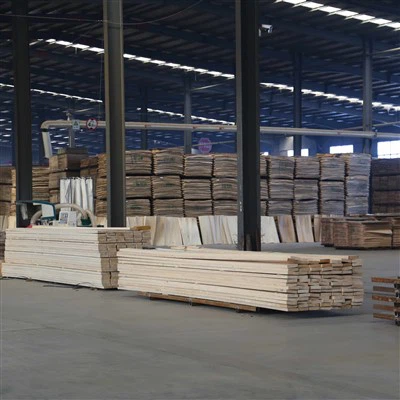
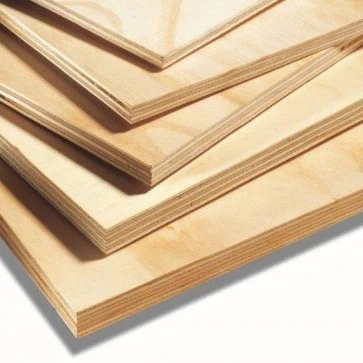
Hey there! I'm a supplier of Size Structural Wood Panels Formwork, and I often get asked about how to measure the stiffness of different sizes of these formworks. It's a crucial aspect, especially when it comes to ensuring the quality and performance of construction projects. So, let's dive right in and explore this topic together.
First off, why is measuring the stiffness of structural wood panels formwork so important? Well, stiffness determines how well the formwork can resist deformation under load. In construction, formworks are used to hold concrete in place until it sets. If the formwork isn't stiff enough, it can bend or warp, leading to uneven concrete surfaces or even structural failures. That's why getting an accurate measure of stiffness is key to a successful construction job.
There are a few different methods we can use to measure the stiffness of these formworks. One of the most common ways is the three - point bending test. This test involves placing a wood panel formwork on two supports and applying a load at the center. The amount of deflection (bending) of the panel under the load is then measured.
To perform a three - point bending test, you'll need a testing machine. This machine can apply a controlled load to the panel and measure the deflection accurately. First, you need to prepare the panel. Make sure it's clean and free of any defects that could affect the test results. Then, place the panel on the two supports, which are usually spaced a specific distance apart depending on the size of the panel.
Once the panel is in place, start applying the load gradually. As the load increases, the panel will start to bend. The testing machine will record the load and the corresponding deflection. You can then use these measurements to calculate the stiffness of the panel. The stiffness is typically expressed as the modulus of elasticity (MOE). The formula for calculating MOE is a bit technical, but in simple terms, it's related to the ratio of the stress (load per unit area) to the strain (deflection per unit length).
Another method is the four - point bending test. This test is similar to the three - point bending test, but instead of applying the load at the center, the load is applied at two points between the supports. The four - point bending test is often used for larger panels because it can provide a more uniform distribution of stress across the panel.
When it comes to different sizes of structural wood panels formwork, the size can have a significant impact on the stiffness. Generally, larger panels tend to be less stiff than smaller ones. This is because the longer the panel, the more it can bend under a given load. However, the type of wood and the manufacturing process also play important roles.
For example, our Anti - Corrosion Black Coated Structural Panels Formwork are made with a special coating that not only protects the wood from corrosion but also can enhance its stiffness to some extent. The coating adds an extra layer of strength, which can help the panel resist deformation better.
Our High Quality Pine Structural Wood Panels Formwork are known for their good stiffness properties. Pine is a strong and relatively lightweight wood, which makes it a great choice for formworks. The manufacturing process of these panels is carefully controlled to ensure consistent quality and stiffness.
And then there's our E0 Eucalyptus Wood Panels Formwork. Eucalyptus is a dense and hard wood, which means these panels can have high stiffness. The E0 grade indicates that the panels have low formaldehyde emissions, making them environmentally friendly as well as structurally sound.
It's also important to note that the moisture content of the wood can affect the stiffness. Wood is a hygroscopic material, which means it can absorb and release moisture depending on the surrounding environment. When the wood absorbs moisture, it can swell and become less stiff. So, it's crucial to store the formworks in a dry environment and ensure they have the right moisture content before use.
In addition to the laboratory tests, there are also some on - site methods to get a rough idea of the stiffness. For example, you can visually inspect the formwork for any signs of bending or warping when it's under load. You can also try to push on the panel gently and feel how much it gives. While these methods aren't as accurate as laboratory tests, they can give you a quick indication of whether the formwork is stiff enough for the job.


When you're choosing the right size and type of structural wood panels formwork for your project, it's essential to consider the load requirements. Different construction projects have different load demands, and you need to make sure the formwork can handle the expected loads without excessive deformation.
If you're still not sure which formwork is best for your project or how to measure the stiffness accurately, don't hesitate to reach out. We're here to help you make the right choice. Whether you're a small - scale builder or working on a large - scale construction project, we can provide you with the high - quality formworks you need.
In conclusion, measuring the stiffness of different sizes of structural wood panels formwork is a multi - faceted process. It involves using proper testing methods, considering the size and type of the panel, and taking into account factors like moisture content and load requirements. By understanding these aspects, you can ensure that your construction project goes smoothly and that the final result is of the highest quality.
If you're interested in our products or have any questions about measuring the stiffness of our formworks, feel free to contact us for a detailed discussion and potential purchase. We're looking forward to working with you on your next construction venture.
References
- "Wood Handbook: Wood as an Engineering Material", Forest Products Laboratory
- "Testing of Wood and Wood - Based Products", ASTM International