Hey there! As a supplier of light - weight wood board formwork, I know how crucial it is to ensure the stability of these formworks during construction. In this blog, I'll share some practical tips and tricks that I've gathered over the years in the industry.
First off, let's talk about the importance of proper installation. A well - installed light - weight wood board formwork is the foundation for stability. When you're setting up the formwork, make sure the ground or the base where it's going to be placed is level. Uneven ground can cause the formwork to tilt or shift, which is a major no - no. You can use a spirit level to check the flatness of the base. If it's not level, you might need to add some shims or make some adjustments to the ground to get it right.


Another key factor in installation is the connection between the different parts of the formwork. You need to use high - quality fasteners. Nails and screws are commonly used, but make sure they're the right size and type for the job. Using the wrong fasteners can lead to loose connections, and that can seriously compromise the stability of the formwork. For example, if you're using nails, they should be long enough to penetrate through the wood boards and into the supporting structure securely.
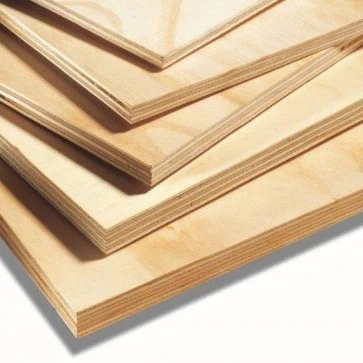
Now, let's move on to the material selection. As a supplier, I offer a variety of light - weight wood board formworks, such as the Anti - Corrosion Black Coated Structural Panels Formwork. These panels are great because they have an anti - corrosion coating, which means they can withstand harsh environmental conditions. Corrosion can weaken the wood over time, so having this protective coating can help maintain the strength and stability of the formwork.
The High Quality Pine Structural Wood Panels Formwork is another excellent option. Pine is a strong and durable wood, and when it's used in formwork, it can provide good support. High - quality pine panels are less likely to warp or break under pressure, which is essential for stability during construction.
If you're looking for an eco - friendly and waterproof option, the Eco Frendliy Wood Panels Formwork Waterproof is a great choice. Water can be a big enemy of wood formwork. It can cause the wood to swell, rot, and lose its strength. But with waterproof panels, you don't have to worry about that. They can keep their shape and stability even in wet conditions.
During the construction process, it's also important to monitor the formwork regularly. Check for any signs of damage, such as cracks, splits, or loose connections. If you notice any issues, address them immediately. For example, if you see a crack in a panel, you might need to replace it or reinforce it with additional fasteners.
Load management is another aspect that can't be overlooked. Make sure you know the maximum load capacity of the light - weight wood board formwork. Overloading the formwork can cause it to collapse, which is extremely dangerous. You need to calculate the weight of the concrete, the construction equipment, and any other materials that will be placed on the formwork. If you're not sure about the load capacity, consult the manufacturer or an engineer.
Weather conditions can also have a significant impact on the stability of the formwork. In hot weather, the wood can expand, and in cold weather, it can contract. This expansion and contraction can lead to changes in the formwork's shape and stability. To counteract this, you can use expansion joints in the formwork design. These joints allow the wood to expand and contract without causing damage to the overall structure.
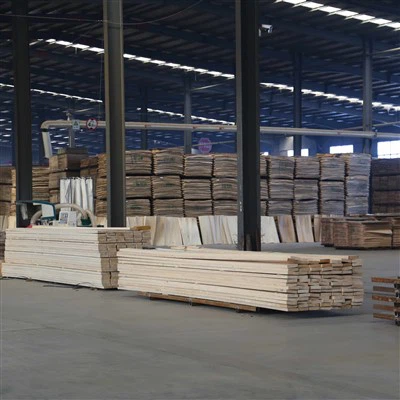
Proper storage of the formwork is also important. When the formwork is not in use, store it in a dry and well - ventilated area. Avoid storing it in direct sunlight or in a damp environment. This can help prevent the wood from warping, rotting, or being damaged by pests.
In addition to these technical aspects, training your construction crew is essential. Make sure they know how to handle the light - weight wood board formwork properly. They should be aware of the installation procedures, the load capacity, and how to identify and address any potential issues. A well - trained crew can make a big difference in ensuring the stability of the formwork.
To sum it up, ensuring the stability of light - weight wood board formwork during construction involves proper installation, high - quality material selection, regular monitoring, load management, consideration of weather conditions, proper storage, and crew training. By following these steps, you can minimize the risks of formwork failure and ensure a safe and successful construction project.
If you're interested in our light - weight wood board formwork products or have any questions about ensuring their stability, feel free to reach out. We're here to help you make the right choices for your construction needs. Let's have a chat and see how we can work together to make your project a success.
References
- Construction Materials Handbook: Wood Products. McGraw - Hill.
- Best Practices for Formwork Installation in Construction. American Concrete Institute.