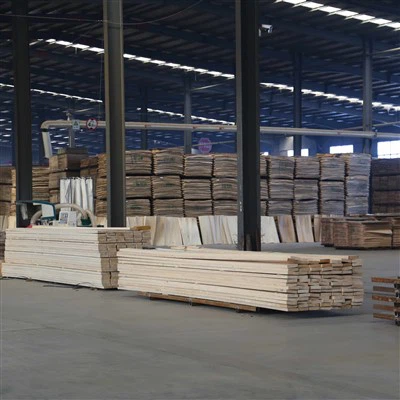
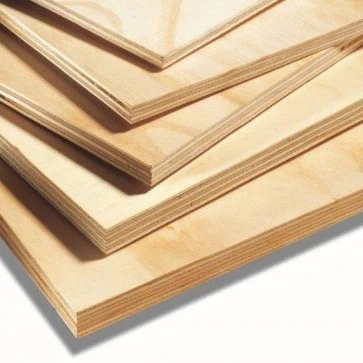
Hey there! As a supplier of Eco Friendly Wood Panels Formwork Waterproof, I've been getting a ton of questions lately about how to ensure the waterproof integrity of joints in these panels. It's a crucial aspect, especially when you're working on construction projects where water damage can lead to all sorts of headaches. So, I thought I'd share some tips and tricks that I've picked up over the years.
First off, let's talk about why joint waterproofing is so important. When you're using eco-friendly wood panels for formwork, the joints are like the weak spots. If water seeps through these joints, it can cause the wood to swell, warp, or even rot. This not only affects the structural integrity of the formwork but also can lead to a poor finish on the concrete that's being poured. And nobody wants that!


One of the first steps in ensuring waterproof integrity is choosing the right panel. We offer a great range of products, like the Film Faced Shuttering Plywood for Construction. This type of plywood has a special film on the surface that provides an extra layer of protection against water. It's designed to be durable and resistant to moisture, which is a big plus when it comes to joint waterproofing.
Another option is our Anti-Corrosion Black Coated Structural Panels Formwork. The black coating not only gives it a cool look but also acts as a barrier against water and corrosion. These panels are great for projects where the formwork will be exposed to harsh conditions.
Now, let's get into the actual joint waterproofing process. Before you start joining the panels, make sure the surfaces are clean and dry. Any dirt, dust, or moisture can prevent the waterproofing materials from adhering properly. You can use a clean cloth or a brush to remove any debris.
Once the surfaces are clean, you can apply a waterproof sealant to the joints. There are different types of sealants available, but I recommend using a high-quality, flexible sealant that can expand and contract with the wood as it heats up and cools down. Apply the sealant evenly along the joint, making sure to fill any gaps or cracks. You can use a caulking gun for a more precise application.
After applying the sealant, it's a good idea to use some sort of joint reinforcement. This can be in the form of a waterproof tape or a metal strip. The reinforcement helps to hold the joint together and provides an extra layer of protection against water. For example, you can use a self-adhesive waterproof tape that sticks to the joint and seals it tightly.
Another important factor is the installation process. Make sure the panels are properly aligned and fastened together. Loose joints are more likely to let water in. You can use nails, screws, or other fasteners to secure the panels, but make sure they're the right size and type for the job.
When it comes to the edges of the panels, you can also take some extra steps to prevent water from seeping in. For example, you can apply a waterproof edge trim or a protective coating. Our 1220*2440 Marine Film Faced Formwork Plywood has a great edge finish that helps to keep water out.
During the construction process, it's also important to monitor the formwork regularly. Check for any signs of water damage or leaks at the joints. If you notice any problems, address them immediately. You may need to reapply the sealant or make some adjustments to the joint reinforcement.
In addition to these steps, proper storage and handling of the panels are also crucial. Store the panels in a dry, well-ventilated area to prevent them from getting wet before they're installed. And when you're transporting the panels, make sure they're protected from the elements.
So, there you have it! These are some of the key steps to ensuring the waterproof integrity of joints in eco-friendly wood panels formwork. By following these tips, you can minimize the risk of water damage and ensure a successful construction project.
If you're interested in learning more about our eco-friendly wood panels formwork or have any questions about waterproofing, don't hesitate to reach out. We're here to help you find the right solutions for your project. Whether you're a contractor, a builder, or a DIY enthusiast, we've got the products and expertise to meet your needs.
Let's work together to make your next construction project a success! Contact us today to start a conversation about your formwork needs.
References:
- General knowledge and experience in the field of eco-friendly wood panels formwork waterproofing.
- Product specifications and research on waterproofing materials and techniques.