Hey there! As a supplier of Good Quality Structural Plywood Roof Panels, I've seen firsthand how crucial it is to seal the edges of these panels properly. In this blog, I'm gonna share some tips on how to do just that.
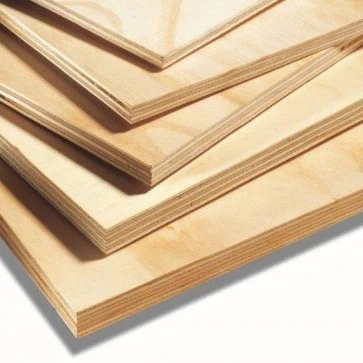
First off, let's talk about why sealing the edges is so important. Good Quality Structural Plywood Roof Panels, like the ones you can find here, are made up of multiple layers of wood veneer glued together. The edges of these panels are vulnerable to moisture, which can seep in and cause the wood to swell, warp, or even rot over time. Sealing the edges creates a barrier that prevents moisture from getting in, thus extending the lifespan of the panels and maintaining their structural integrity.
Now, let's get into the steps of sealing the edges.
Step 1: Choose the Right Sealant
There are several types of sealants available in the market, and choosing the right one is key. You want a sealant that is waterproof, durable, and compatible with plywood. Some popular options include polyurethane sealants, epoxy sealants, and acrylic sealants.
Polyurethane sealants are known for their excellent waterproofing properties and flexibility. They can withstand temperature changes and movement without cracking. Epoxy sealants, on the other hand, are extremely strong and provide a long - lasting seal. They are great for high - stress areas. Acrylic sealants are more affordable and easy to apply. They dry quickly and are paintable.
If you're dealing with a roof that might be exposed to harsh weather conditions, I'd recommend going for a polyurethane or epoxy sealant. For a more budget - friendly option with less extreme exposure, an acrylic sealant could do the job.
Step 2: Prepare the Edges
Before applying the sealant, you need to make sure the edges of the Good Quality Structural Plywood Roof Panels are clean and dry. Use a clean, dry cloth to wipe away any dust, dirt, or debris. If there are any rough spots or splinters on the edges, sand them down gently with fine - grit sandpaper. This will ensure that the sealant adheres properly to the surface.
Step 3: Apply the Sealant
Now it's time to apply the sealant. You can use a caulking gun for a more precise application, especially if you're using a tube - type sealant. Cut the tip of the sealant tube at a 45 - degree angle, and adjust the size of the opening according to the width of the edge you're sealing.
Start at one end of the edge and slowly run the caulking gun along the length, applying a continuous bead of sealant. Make sure to apply enough pressure to get a consistent and even layer of sealant. If you're using a brush - on sealant, dip a paintbrush into the sealant and brush it onto the edge in smooth, even strokes.
Try to work quickly but carefully to avoid any drips or uneven areas. If you make a mistake, you can use a damp cloth to wipe away the excess sealant before it dries.
Step 4: Smooth and Finish
After applying the sealant, use a putty knife or a sealant finishing tool to smooth out the surface of the sealant. This will give it a neat and professional look. Run the tool along the edge, pressing gently to flatten the sealant and remove any air bubbles.
Let the sealant dry completely according to the manufacturer's instructions. This can take anywhere from a few hours to a couple of days, depending on the type of sealant and the environmental conditions.
Step 5: Inspect and Maintain
Once the sealant is dry, inspect the edges to make sure the seal is complete and there are no gaps or areas where the sealant has not adhered properly. If you find any issues, you can apply a second coat of sealant to fix them.
Regular maintenance is also important. Check the edges of the Good Quality Structural Plywood Roof Panels periodically, especially after heavy rain or extreme weather conditions. If you notice any signs of damage or wear on the sealant, re - apply it as needed.
In addition to these steps, there are some other things to keep in mind. For example, if you're working in a cold environment, the sealant may take longer to dry. You may need to use a heater or work in a warmer area to speed up the drying process. Also, make sure to store the sealant properly according to the manufacturer's instructions to maintain its quality.
We also offer other great products like Anti - Corrosion Structural Plywood 1220*2440mm and Moisture - resistant Structural Plywood for Wall, which have similar edge - sealing requirements.
If you're in the market for Good Quality Structural Plywood Roof Panels or have any questions about edge sealing or our other products, don't hesitate to reach out. We're here to help you make the best choices for your construction projects. Whether you're a professional builder or a DIY enthusiast, we can provide you with the high - quality products and expert advice you need.
Sealing the edges of Good Quality Structural Plywood Roof Panels is a simple but important step that can make a big difference in the performance and longevity of your roof. By following these steps and using the right products, you can ensure that your roof panels stay in top condition for years to come.
If you're interested in purchasing our Good Quality Structural Plywood Roof Panels or have any further questions about edge sealing or our other products, feel free to get in touch. We're always happy to have a chat and help you with your procurement needs.


References
- Building Materials Handbook: General information on plywood and sealants.
- Sealant Manufacturer's Guides: Specific instructions on product usage and application.