When it comes to construction headers, the choice of material can significantly impact the project's success. As a leading supplier of laminated veneer lumber (LVL) headers, I've witnessed firsthand the growing interest in alternative materials, particularly bamboo. In this blog post, I'll compare LVL headers to bamboo headers, exploring their characteristics, performance, and suitability for various construction applications.
Physical Properties
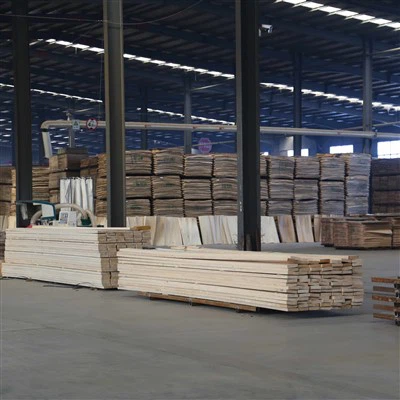
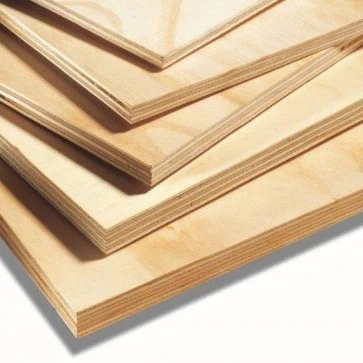
LVL headers are made by bonding thin layers of wood veneers with adhesives under high pressure and heat. This process aligns the wood fibers in a parallel direction, resulting in a product with consistent strength and dimensional stability. The most common wood species used for LVL production are softwoods like pine, spruce, and fir, which offer a good balance of strength and affordability.
On the other hand, bamboo is a fast - growing grass that has gained popularity in recent years due to its environmental benefits. Bamboo headers are typically made by laminating bamboo strips together. Bamboo has a high strength - to - weight ratio, and its natural fibers are arranged in a way that provides good structural integrity. However, the quality and properties of bamboo can vary depending on the species, growing conditions, and processing methods.
In terms of density, LVL headers generally have a more consistent density compared to bamboo headers. The manufacturing process of LVL allows for precise control over the density, ensuring uniform strength throughout the product. Bamboo, being a natural material, can have variations in density within a single stalk and among different bamboo plants. This can lead to some inconsistency in the strength of bamboo headers.
Strength and Load - Bearing Capacity
One of the most critical factors in choosing a header material is its strength and load - bearing capacity. LVL headers are engineered to meet specific design requirements, making them highly reliable for supporting heavy loads. They can be designed to withstand high bending and shear forces, which is essential for applications such as framing doors, windows, and large openings in buildings.


Best Quality LVL Headers Beam for Light Frame offers a wide range of LVL headers specifically designed for light - frame construction. These headers are tested and certified to meet industry standards, providing builders with confidence in their performance.
Bamboo headers also have good strength, but their load - bearing capacity may be limited in comparison to LVL headers, especially for larger spans and heavier loads. The anisotropic nature of bamboo, where its strength varies depending on the direction of the fibers, can make it more challenging to design bamboo headers for complex load scenarios. Additionally, the connection details for bamboo headers need to be carefully engineered to ensure proper load transfer.
Durability and Moisture Resistance
Durability is another important consideration, especially in environments where the headers are exposed to moisture or other harsh conditions. LVL headers are treated with preservatives during the manufacturing process to enhance their resistance to decay, insects, and fungi. This makes them suitable for both interior and exterior applications. However, if LVL headers are not properly protected, prolonged exposure to moisture can cause the wood veneers to delaminate, reducing their strength and lifespan.
Bamboo has natural anti - microbial properties, which can make it resistant to fungi and insects to some extent. However, bamboo is also more porous than LVL, which means it can absorb moisture more readily. This makes bamboo headers more vulnerable to swelling, warping, and decay if not properly sealed or protected. In high - humidity or wet environments, extra precautions need to be taken when using bamboo headers, such as applying waterproof coatings.
Cost and Availability
Cost is often a deciding factor in construction projects. The cost of LVL headers can vary depending on the wood species, size, and grade. Generally, LVL headers are competitively priced, especially considering their long - term performance and reliability. As a reliable source for cost - effective LVL headers, LVL Standard Materials in Regular Stock provides a variety of standard LVL products that are readily available, which can help reduce project lead times and costs.
Bamboo has the potential to be a cost - effective alternative in regions where it is abundantly available. However, the processing and transportation costs of bamboo headers can sometimes be high, especially if they need to be imported. Additionally, the limited availability of standardized bamboo headers in the market may require custom - manufacturing, which can further increase the cost.
Environmental Considerations
From an environmental perspective, both LVL and bamboo have their advantages. LVL is made from renewable wood resources, and many LVL manufacturers use sustainable forestry practices to ensure the long - term health of forests. The manufacturing process of LVL also has a relatively low environmental impact, as it uses a significant portion of the wood log and generates less waste compared to traditional solid - wood products.
Bamboo is known for its rapid growth rate, often reaching maturity in just 3 - 5 years compared to decades for traditional timber trees. This makes bamboo a highly renewable resource. However, the treatment and processing of bamboo can involve the use of chemicals, and the carbon footprint associated with transporting bamboo from its source to the construction site needs to be considered.
Suitability for Different Applications
LVL headers are extremely versatile and can be used in a wide range of construction applications. They are commonly used in residential and commercial buildings, including single - family homes, multi - story apartments, and office complexes. Whether it's for framing small windows or large garage doors, LVL headers can be customized to meet the specific requirements of the project. For those interested in specific sizes of LVL headers, Pine Wood LVL Headers Beam Size provides detailed information on available sizes.
Bamboo headers are more suitable for smaller - scale projects or applications where a more natural aesthetic is desired. They can be used in light - frame construction, such as garden sheds, small cabins, or decorative structures. However, due to their limitations in strength and moisture resistance, they may not be the best choice for large - scale or high - performance construction projects.
Conclusion
In conclusion, both laminated veneer lumber headers and bamboo headers have their unique characteristics. LVL headers offer consistent strength, high load - bearing capacity, good durability, and are readily available in a variety of sizes and grades. They are a reliable choice for most construction projects, especially those that require high - performance structural elements.
Bamboo headers, on the other hand, are a more sustainable option with a natural aesthetic. While they can be used in some light - duty applications, they may not be as suitable for large - scale or demanding construction projects due to their limitations in strength and moisture resistance.
If you're considering using headers in your construction project, I encourage you to contact me for more information. I can provide detailed product specifications, pricing, and help you choose the most suitable headers for your specific needs. Our team of experts is dedicated to providing you with the best products and services in the industry. Let's start a conversation about your project and find the perfect solution together.
References
- Forest Products Laboratory. (2010). Wood Handbook: Wood as an Engineering Material (Gen. Tech. Rep. FPL - GTR - 190). Madison, WI: U.S. Department of Agriculture, Forest Service, Forest Products Laboratory.
- International Code Council. (2018). International Building Code. Washington, D.C.: International Code Council.
- Bamboo: A Versatile and Sustainable Material for Construction. Journal of Sustainable Construction Materials and Technologies.