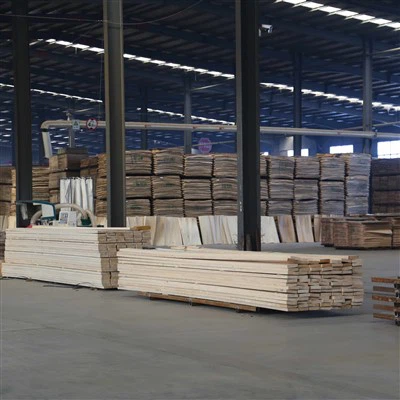
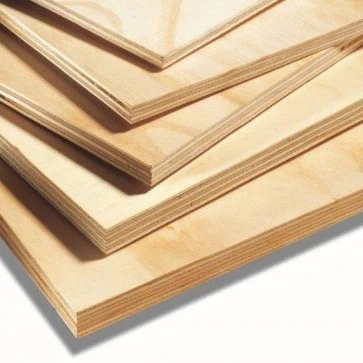
Hey there! As a supplier of LVL (Laminated Veneer Lumber) wood, I often get asked, "Is LVL wood resistant to pests?" Well, let's dive right into this topic and find out.
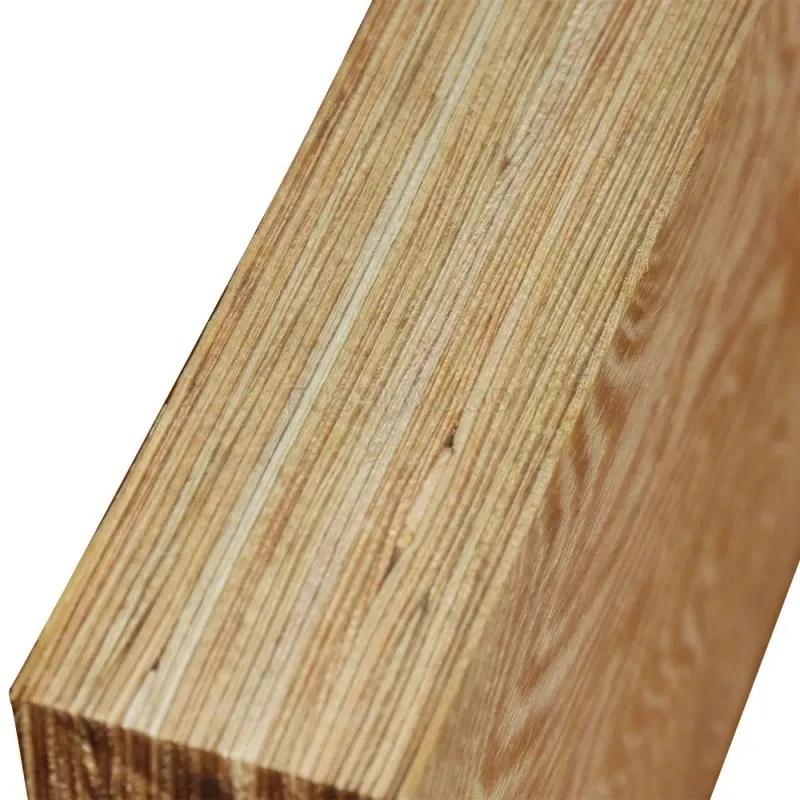
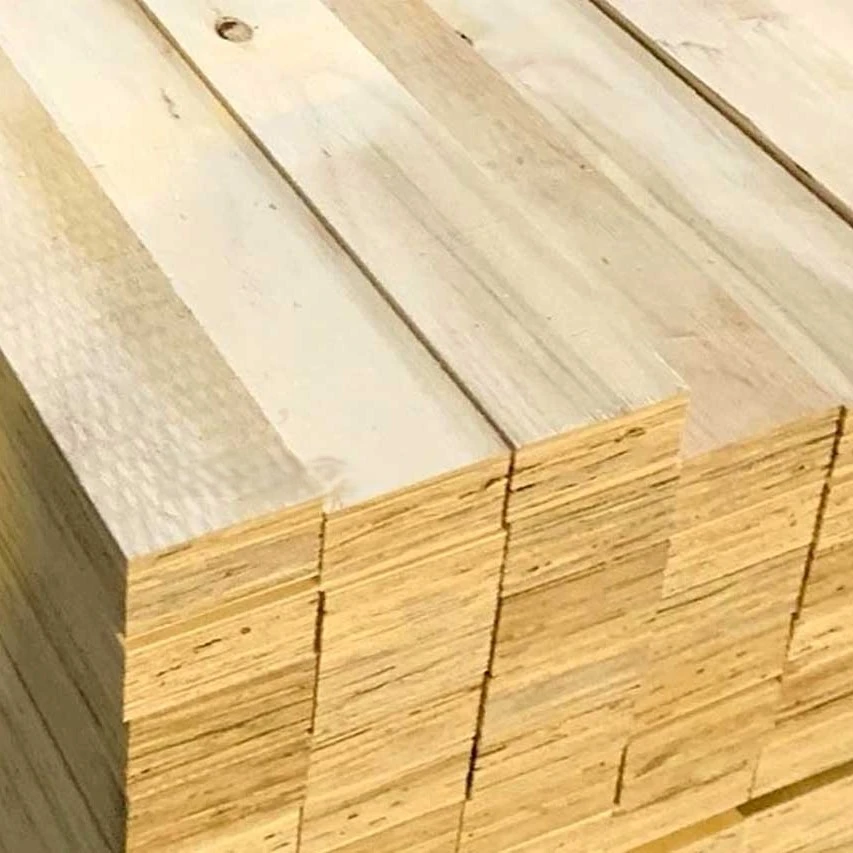
First off, what exactly is LVL wood? It's a type of engineered wood made by bonding multiple thin layers of wood veneers together with adhesives. These veneers are usually aligned in the same direction, which gives LVL wood excellent strength and stability. It's used in a wide range of applications, from construction to furniture making.
Now, let's talk about pests. There are several types of pests that can cause damage to wood, including termites, carpenter ants, beetles, and fungi. These pests can weaken the wood structure, reduce its lifespan, and even pose a safety hazard in some cases. So, the question of whether LVL wood is resistant to them is a crucial one.
How LVL Wood's Manufacturing Process Affects Pest Resistance
One of the key factors that contribute to LVL wood's potential pest resistance is its manufacturing process. During production, the wood veneers are typically dried to a low moisture content. Pests, especially termites and fungi, thrive in moist environments. By reducing the moisture content, we make the LVL wood less attractive to these pests.
The adhesives used to bond the veneers together also play a role. High - quality adhesives form a strong barrier that can prevent pests from easily penetrating the wood. Some adhesives may even have properties that are unappealing or toxic to certain pests.
However, it's important to note that not all LVL wood is created equal. The quality of the raw materials, the manufacturing standards, and the type of adhesives used can vary from one supplier to another. That's why it's essential to choose a reliable supplier like us. We offer National Standard Certified LVL Structural Timber, which meets strict quality and safety standards, ensuring better pest resistance.
Comparing LVL Wood to Natural Wood in Terms of Pest Resistance
When we compare LVL wood to natural wood, LVL has some advantages when it comes to pest resistance. Natural wood often has knots, cracks, and uneven grain patterns, which can provide entry points for pests. In contrast, LVL wood has a more uniform structure, making it harder for pests to bore into.
For example, termites are known to target the soft parts of natural wood. They can easily tunnel through these areas and cause significant damage. With LVL wood, the consistent density and structure make it more difficult for termites to establish colonies.
But that doesn't mean LVL wood is completely immune to pests. If LVL wood is exposed to long - term moisture, or if it's in an area with a high pest population, it can still be at risk. For instance, if LVL wood is used in a damp basement without proper moisture control, fungi can start to grow on it, and termites may be attracted to the decaying wood.
Treatments to Enhance LVL Wood's Pest Resistance
To further improve the pest resistance of LVL wood, we can apply additional treatments. There are chemical treatments available that can be applied during or after the manufacturing process. These treatments can act as a deterrent for pests, killing or repelling them.
Some treatments are designed to protect against specific pests. For example, there are anti - termite treatments that create a chemical barrier around the wood. Other treatments can prevent fungal growth, which is important because fungi can weaken the wood and make it more susceptible to other pests.
We also offer E0 Furniture LVL Timbers Eco Friendly. These timbers are not only environmentally friendly but also have been treated to enhance their pest resistance, making them a great choice for furniture making where you want to ensure the longevity of the product.
Real - World Applications and Pest Resistance
In real - world applications, LVL wood's pest resistance can vary depending on how it's used. In construction, LVL wood is often used for beams, joists, and headers. When properly installed and protected from moisture, it can last for a long time without significant pest damage.
For example, in a well - built house, LVL beams are usually enclosed within the building structure, away from direct contact with the ground and moisture. This reduces the risk of pest infestation. However, if LVL wood is used for outdoor applications, such as decking or fencing, it needs to be properly maintained and treated to withstand the elements and potential pest attacks.
In furniture making, LVL wood's pest resistance is also important. Customers want furniture that will last for years without being damaged by pests. Our Easy - to - process LVL Billets are ideal for furniture manufacturers. They can be easily shaped and finished, and with proper treatment, they can resist pests and maintain their appearance over time.
Factors That Can Compromise LVL Wood's Pest Resistance
As I mentioned earlier, moisture is one of the biggest threats to LVL wood's pest resistance. If LVL wood is installed in an area with poor drainage or high humidity, it can absorb moisture, which can lead to fungal growth and attract pests.
Another factor is improper installation. If LVL wood is not installed correctly, it may be exposed to the elements or in contact with the ground, increasing the risk of pest infestation. For example, if LVL joists are not properly supported and are in contact with wet soil, termites can easily reach them.
Conclusion and Call to Action
So, is LVL wood resistant to pests? The answer is that it has better pest resistance than natural wood in many cases, but it's not completely immune. With proper manufacturing, additional treatments, and correct installation and maintenance, LVL wood can be a great choice for applications where pest resistance is important.
If you're in the market for high - quality LVL wood with good pest resistance, we're here to help. Whether you're a construction company, a furniture manufacturer, or a DIY enthusiast, we have a wide range of LVL wood products to meet your needs. Don't hesitate to contact us for more information and to start a procurement discussion. We're confident that our products will exceed your expectations in terms of quality and pest resistance.
References
- Smith, J. (2018). Engineered Wood Products: Properties and Applications. Wood Science Press.
- Jones, A. (2020). Pest Management in Wood Structures. Building Technology Journal.
- Brown, R. (2019). Laminated Veneer Lumber: A Review of Its Manufacturing and Performance. Engineering Wood Review.