Hey there! I'm a supplier of Moisture-resistant Balcony LVL Columns. Installing these columns is a crucial step, and we want to make sure they're installed right to avoid any damage. In this blog, I'll share some tips on how to handle these columns during installation to keep them in top - notch condition.
Pre - installation Checks
Before you even start the installation process, it's super important to do a thorough check of the columns. First off, take a good look at the columns for any visible damage. Look for cracks, splits, or any signs of warping. If you spot any of these issues, it's best to contact us right away. We'll make sure you get a replacement that meets our high - quality standards.
Also, check the dimensions of the columns. Make sure they match the specifications you ordered. You can refer to our Size LVL Lumber page to confirm the right sizes. This step is vital because if the columns are not the correct size, it can lead to problems during installation and may cause damage to the columns or the overall balcony structure.
Storage Conditions
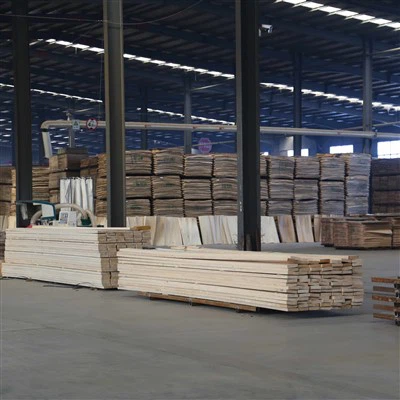
How you store the columns before installation can have a big impact on their condition. These moisture - resistant balcony LVL columns are designed to withstand a certain level of moisture, but they're not invincible. Store them in a dry place. If possible, keep them indoors or under a covered area. Avoid leaving them exposed to the elements, especially rain or snow.
If you have to store them outside, make sure they're elevated off the ground. You can use pallets or blocks to keep them from sitting directly on the wet soil. This helps prevent moisture from seeping into the columns from the bottom. And don't stack them too high. Over - stacking can cause the columns at the bottom to get crushed or deformed.


Handling During Transport
Moving the columns from the storage area to the installation site needs to be done carefully. Use proper lifting equipment. Don't try to man - handle them if they're too heavy. A forklift or a hoist is a much better option for larger columns. When lifting, make sure the lifting points are secure and evenly distributed. This prevents the columns from bending or breaking during the lift.
During transport, secure the columns well. You don't want them shifting around in the truck or on the trailer. Use straps or ropes to keep them in place. If they move around, they can hit each other or the sides of the vehicle, which can cause damage.
Installation Site Preparation
The installation site should be ready before you bring in the columns. The surface where the columns will be placed needs to be level and stable. If the surface is uneven, it can put uneven pressure on the columns, leading to damage over time. You may need to use a level to check the surface and make any necessary adjustments.
Also, make sure the area is clean. Remove any debris, dirt, or loose materials. This ensures a good connection between the column and the installation surface. A dirty surface can prevent the column from being properly secured and can also trap moisture, which is not good for the columns.
Installation Process
When it comes to actually installing the columns, follow the manufacturer's instructions carefully. Use the right tools and hardware. For example, if you're using bolts to secure the columns, make sure they're the correct size and strength.
Don't force the columns into place. If they don't fit easily, don't try to hammer or pry them. This can cause cracks or splits in the columns. Instead, double - check the measurements and the alignment. It might be that there's a small adjustment needed in the installation site or the column itself.
During installation, avoid exposing the columns to excessive moisture. If it's raining or the ground is wet, it's best to wait until the area dries up. Our Moisture - proof And Non - deformable LVL Column is designed to resist moisture, but too much water during installation can still cause problems.
Post - installation Care
Once the columns are installed, there are still a few things you need to do. Check the connections regularly to make sure they're tight. Over time, vibrations or weather conditions can cause the bolts or other fasteners to loosen.
Keep an eye on the columns for any signs of moisture damage. Look for discoloration, swelling, or soft spots. If you notice any of these signs, take action right away. You can consult with us for advice on how to deal with the issue.
Why Our Moisture - resistant Balcony LVL Columns?
Our columns are made with high - quality materials and advanced manufacturing techniques. They offer High Stability Laminated Veneer Lumber Columns, which means they can withstand the test of time and various environmental conditions. The moisture - resistant feature is a big plus, especially for balcony applications where they're exposed to the elements.
If you're in the market for moisture - resistant balcony LVL columns, we'd love to have a chat with you. Whether you're a contractor, a builder, or a DIY enthusiast, we can provide you with the right columns for your project. Just reach out to us, and we'll be happy to discuss your needs and provide you with a quote.
References
- Wood Construction Manual, American Wood Council
- Building Codes related to balcony structures, Local Building Authorities
So, there you have it! By following these tips, you can ensure that your moisture - resistant balcony LVL columns are installed correctly and stay in great shape for years to come. Looking forward to hearing from you about your column needs!