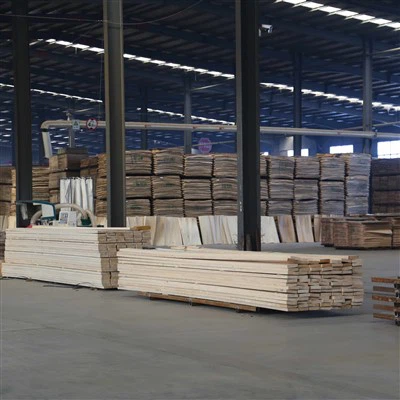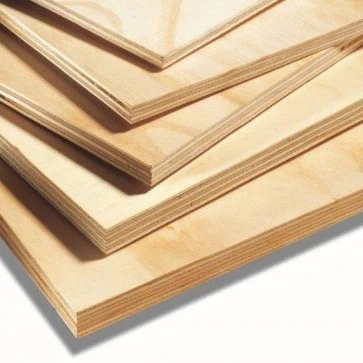
As a supplier of E0 Eucalyptus Wood Panels Formwork, I've witnessed firsthand the growing popularity of this product in the construction industry. Its eco - friendly E0 grade, derived from eucalyptus wood, offers many advantages such as good strength - to - weight ratio and relatively low cost. However, like any construction material, it also has its share of disadvantages. In this blog, I'll delve into some of the drawbacks of E0 Eucalyptus Wood Panels Formwork.
1. Durability Concerns
One of the primary disadvantages of E0 Eucalyptus Wood Panels Formwork is its durability. Eucalyptus wood, while strong, is more susceptible to wear and tear compared to some other types of wood or synthetic formwork materials. Construction sites are harsh environments where formwork is exposed to various elements, including heavy machinery, rough handling, and extreme weather conditions.
In high - traffic areas of a construction site, the E0 Eucalyptus Wood Panels Formwork can easily get scratched, dented, or chipped. These damages not only affect the appearance of the formwork but also its structural integrity. Over time, repeated use and abuse can lead to the panels becoming weak and less reliable, increasing the risk of structural failures during the concrete pouring process.
Moreover, eucalyptus wood is prone to rot and decay when exposed to moisture for extended periods. If the formwork is not properly dried and stored after use, or if it is used in areas with high humidity or water exposure, the wood can start to deteriorate. This can significantly reduce the lifespan of the formwork and require more frequent replacements, which can be costly for construction projects.
2. Limited Reusability
Another drawback of E0 Eucalyptus Wood Panels Formwork is its limited reusability. Unlike some high - end synthetic formwork materials that can be used multiple times with minimal degradation, eucalyptus wood formwork has a relatively low number of reuse cycles.
As mentioned earlier, the wear and tear on the formwork during construction can cause damage that makes it unsuitable for further use. Even with proper maintenance, the wood may lose its shape and dimensions after a few uses, which can affect the accuracy of the concrete structures being formed. For large - scale construction projects that require formwork to be reused many times, the limited reusability of E0 Eucalyptus Wood Panels Formwork can be a significant disadvantage.
The cost - effectiveness of formwork is often measured by its reusability. Since eucalyptus wood formwork cannot be reused as many times as other materials, the overall cost per use may be higher. This can make it less attractive for contractors who are looking for long - term cost savings in their construction projects.
3. Dimensional Stability
Eucalyptus wood has a relatively high coefficient of thermal expansion and contraction. This means that the dimensions of the E0 Eucalyptus Wood Panels Formwork can change significantly with variations in temperature and humidity.
In hot and dry conditions, the wood can shrink, while in cold and humid environments, it can expand. These dimensional changes can cause problems during the construction process. For example, if the formwork shrinks, gaps may appear between the panels, allowing concrete to leak out. On the other hand, if the formwork expands, it can put pressure on the surrounding structures, potentially causing damage.
The lack of dimensional stability also makes it difficult to achieve precise and consistent concrete shapes. In construction projects where accuracy is crucial, such as in high - rise buildings or precision engineering structures, the dimensional changes of eucalyptus wood formwork can lead to deviations from the design specifications, resulting in additional costs for corrections.


4. Fire Risk
Eucalyptus wood is a combustible material, which poses a fire risk on construction sites. Construction sites are often filled with various ignition sources, such as welding equipment, electrical tools, and open flames. If proper fire prevention measures are not in place, the E0 Eucalyptus Wood Panels Formwork can easily catch fire.
Once ignited, eucalyptus wood can burn rapidly, spreading the fire quickly across the construction site. This can not only cause damage to the formwork itself but also endanger the lives of workers and nearby structures. To mitigate this risk, additional fire - retardant treatments may be required for the formwork, which can add to the cost and complexity of the project.
5. Surface Finish Quality
The surface finish of concrete poured using E0 Eucalyptus Wood Panels Formwork may not be as smooth and uniform as that achieved with other types of formwork. The natural texture of eucalyptus wood can transfer to the concrete surface, resulting in a rough or uneven finish.
In some construction projects, a smooth and high - quality surface finish is essential, especially for architectural concrete applications. The rough surface of the concrete formed with eucalyptus wood formwork may require additional finishing work, such as sanding, plastering, or painting, to achieve the desired appearance. This can increase the labor and material costs of the project.
Alternative Solutions
Despite these disadvantages, there are alternative formwork options available that can address some of these issues. For example, Light - weight Wood Board formwork offers a lighter and more durable alternative to E0 Eucalyptus Wood Panels Formwork. It is designed to be more resistant to wear and tear, with better dimensional stability and reusability.
Another option is Anti - Corrosion Black Coated Structural Panels Formwork. This type of formwork is coated with a special anti - corrosion layer, which protects the panels from moisture and other environmental factors, increasing their lifespan and reducing the risk of rot and decay.
Conclusion
While E0 Eucalyptus Wood Panels Formwork has its advantages, such as being eco - friendly and cost - effective in some cases, it also has several significant disadvantages. These include durability concerns, limited reusability, dimensional instability, fire risk, and surface finish quality issues.
However, it's important to note that these disadvantages may not be a deal - breaker for all construction projects. In some situations, the benefits of using E0 Eucalyptus Wood Panels Formwork may outweigh the drawbacks. As a supplier, I'm always ready to provide detailed information and guidance to help construction companies make the best formwork choices for their specific projects.
If you're considering using E0 Eucalyptus Wood Panels Formwork or any other formwork products, I encourage you to reach out to me for more in - depth discussions and to explore the best solutions for your construction needs. You can learn more about our E0 Eucalyptus Wood Panels Formwork by visiting our website. Let's work together to find the most suitable formwork for your next project.
References
- "Wood Construction Handbook", Forest Products Laboratory, U.S. Department of Agriculture
- "Construction Materials: Properties, Applications, and Performance", Vahid Akbarzadeh, et al.
- "Formwork for Concrete", American Concrete Institute