In the dynamic world of construction and interior design, the demand for building materials is subject to constant fluctuations. As a dedicated supplier of indoor structural plywood, I have witnessed firsthand the ebb and flow of market trends. In this blog, we will delve into whether the demand for indoor structural plywood is increasing or decreasing, exploring various factors that influence this market trend.
The Role of Indoor Structural Plywood
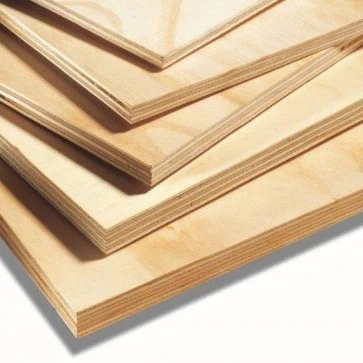
Indoor structural plywood is a versatile and essential material in the construction and interior design industries. It is made by bonding multiple layers of wood veneers together with adhesives, creating a strong and stable panel. This type of plywood is commonly used for a variety of indoor applications, including flooring, walls, ceilings, cabinets, and furniture. Its strength, durability, and dimensional stability make it a preferred choice for both residential and commercial projects.
Factors Influencing the Demand for Indoor Structural Plywood
Economic Conditions
Economic conditions play a significant role in determining the demand for indoor structural plywood. During periods of economic growth, there is typically an increase in construction activity, both in the residential and commercial sectors. This leads to a higher demand for building materials, including indoor structural plywood. Conversely, during economic downturns, construction projects may be put on hold or cancelled, resulting in a decrease in demand.
For instance, in the aftermath of the 2008 financial crisis, the construction industry suffered a significant setback. Many housing projects were halted, and commercial construction also slowed down. As a result, the demand for indoor structural plywood decreased substantially. However, as the economy recovered, the construction industry rebounded, and the demand for plywood gradually increased.
Housing Market Trends
The housing market is a major driver of the demand for indoor structural plywood. In regions where there is a high demand for new housing, the need for building materials such as plywood is also high. This includes both single - family homes and multi - unit housing developments.
In recent years, there has been a trend towards smaller, more energy - efficient homes. These homes often use less plywood compared to larger, traditional homes. However, the growing popularity of urban living and the construction of high - rise apartments have also created a demand for plywood in interior partitions, flooring, and cabinetry. Additionally, the renovation and remodeling market also contribute to the demand for indoor structural plywood. Homeowners often use plywood to update their kitchens, bathrooms, or add new living spaces.
Technological Advancements
Technological advancements in the plywood manufacturing industry have also influenced the demand for indoor structural plywood. New manufacturing processes have led to the production of higher - quality plywood with improved strength, durability, and moisture resistance. For example, the development of moisture - resistant adhesives has made plywood suitable for use in areas with high humidity, such as bathrooms and kitchens.
Moreover, the introduction of engineered wood products, such as laminated veneer lumber (LVL) and oriented strand board (OSB), has provided alternatives to traditional plywood. While these products have some advantages, such as lower cost and faster production, plywood still retains its popularity due to its natural appearance and superior performance in certain applications.
Environmental Awareness
Increasing environmental awareness among consumers and builders has also had an impact on the demand for indoor structural plywood. Plywood is a renewable resource, as it is made from wood. However, concerns about deforestation and sustainable forestry practices have led to a greater demand for plywood that is certified by organizations such as the Forest Stewardship Council (FSC).
Builders and consumers are more likely to choose FSC - certified plywood, as it ensures that the wood used in the manufacturing process comes from sustainably managed forests. This has forced plywood manufacturers to adopt more sustainable practices and has also influenced the purchasing decisions of customers.
Current Market Analysis
Based on recent market trends, it appears that the demand for indoor structural plywood is on the rise. In the residential sector, the low - interest - rate environment has encouraged homebuyers to enter the market, leading to an increase in new home construction. Additionally, the renovation and remodeling market has remained strong, as homeowners look to improve their living spaces.
In the commercial sector, the growth of the hospitality, retail, and office industries has also contributed to the demand for indoor structural plywood. For example, hotels and restaurants often use plywood for interior finishes, while offices require plywood for partitions and furniture.
The increasing popularity of modern interior design styles, which often feature exposed wood elements, has also boosted the demand for high - quality indoor structural plywood. Designers and architects are using plywood not only for its structural properties but also for its aesthetic appeal.
Our Product Offerings
As a supplier of indoor structural plywood, we offer a wide range of products to meet the diverse needs of our customers. Our Good Quaility Structural Plywood Roof Panels are known for their strength and durability, making them ideal for use in roof construction. We also provide Original Factory Structural Plywood Size, ensuring that our customers get the right dimensions for their projects.


In addition, our Moisture - resistant Structural Plywood for Wall is perfect for areas where moisture is a concern, such as basements and bathrooms. All of our products are manufactured using the latest technology and adhere to strict quality standards.
Conclusion
In conclusion, while there are various factors that can influence the demand for indoor structural plywood, the overall trend seems to be positive. Economic growth, a strong housing market, technological advancements, and environmental awareness are all contributing to an increase in demand. As a supplier, we are committed to meeting the needs of our customers by providing high - quality products and excellent service.
If you are in the market for indoor structural plywood, we invite you to contact us for a detailed discussion about your project requirements. We look forward to the opportunity to work with you and contribute to the success of your construction or interior design project.
References
- "Construction Market Trends Report", [Publisher Name], 20XX
- "The Future of Wood Products in Construction", [Author Name], [Publication Year]
- "Sustainable Forestry and the Plywood Industry", [Research Institution], 20XX