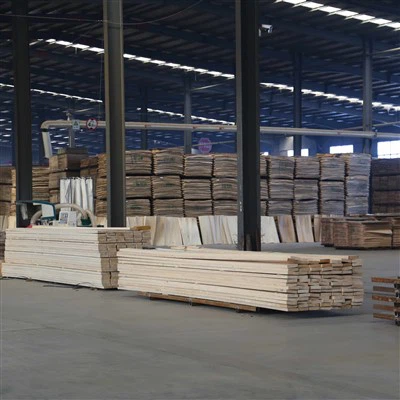
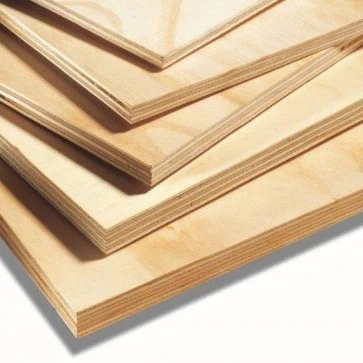
As a supplier for an LVL (Laminated Veneer Lumber) wood factory, cost optimization is a continuous and crucial task. In the highly competitive market of LVL wood production, finding effective cost - optimization strategies can significantly enhance the factory's profitability and competitiveness. This blog will explore several key cost - optimization strategies that can be implemented in an LVL wood factory.
Raw Material Management
Raw materials are the foundation of LVL wood production, and their cost often accounts for a large proportion of the total production cost. Therefore, efficient raw material management is essential for cost optimization.
Sourcing
One of the primary ways to reduce raw material costs is through strategic sourcing. Establishing long - term partnerships with reliable wood suppliers can lead to better pricing. By committing to large - volume purchases over an extended period, we can negotiate more favorable contracts. For example, we can agree on fixed - price contracts for a certain quantity of wood veneers, protecting us from price fluctuations in the market.
In addition, exploring alternative sources of wood is also a viable option. Some less - popular wood species may have similar physical properties to the commonly used ones but come at a lower cost. However, it is crucial to conduct thorough quality testing to ensure that these alternative woods meet the required standards for LVL production. For instance, some fast - growing softwood species can be used as substitutes for more expensive hardwoods in certain applications.


Moreover, we can look into local suppliers. Sourcing locally can reduce transportation costs, which are a significant part of the raw material cost. Local suppliers may also be more flexible in terms of delivery schedules and can provide better after - sales service.
Inventory Management
Proper inventory management is another important aspect of raw material cost optimization. Maintaining an optimal inventory level is crucial. Excessive inventory ties up capital and incurs storage costs, while insufficient inventory can lead to production delays.
We can implement a just - in - time (JIT) inventory system. Under this system, raw materials are ordered and received just in time for production. This reduces the need for large - scale storage facilities and minimizes the risk of inventory obsolescence. However, implementing a JIT system requires accurate demand forecasting and strong relationships with suppliers to ensure timely deliveries.
Regular inventory audits are also necessary. By conducting physical counts and reconciling them with the inventory records, we can identify any discrepancies, such as theft, damage, or inaccurate record - keeping. This helps in maintaining the accuracy of inventory data and avoiding unnecessary costs associated with over - or under - stocking.
Production Process Optimization
The production process in an LVL wood factory involves multiple steps, and optimizing each step can lead to significant cost savings.
Equipment Efficiency
The efficiency of production equipment has a direct impact on cost. Regular maintenance and timely upgrades of equipment are essential. Well - maintained equipment operates more smoothly, reduces the likelihood of breakdowns, and improves the quality of the final product. For example, a well - maintained veneer peeling machine can produce veneers with a more consistent thickness, reducing waste.
Investing in modern and energy - efficient equipment can also lead to long - term cost savings. Newer machines often have better energy consumption rates, which can significantly reduce electricity bills. Additionally, advanced equipment may have higher production speeds and better precision, increasing overall productivity.
Process Automation
Automation can play a crucial role in cost optimization. By automating repetitive and labor - intensive tasks, such as veneer stacking and gluing, we can reduce labor costs and improve production efficiency. Automated systems can work continuously without breaks, leading to higher production volumes.
Automation also reduces the risk of human error. In the LVL production process, a small error in gluing or pressing can lead to defective products, which need to be reworked or discarded. Automated systems can ensure a more consistent and accurate production process, improving the quality of the final product and reducing waste.
Waste Reduction
Reducing waste in the production process is an effective way to cut costs. In an LVL wood factory, waste can occur in the form of wood chips, sawdust, and defective LVL boards.
We can implement recycling programs for wood waste. Wood chips and sawdust can be used as fuel for biomass boilers, which can generate heat for the factory. This not only reduces waste but also provides a cost - effective alternative to traditional energy sources.
For defective LVL boards, we can analyze the reasons for the defects and take corrective actions. In some cases, defective boards can be re - processed or used for lower - grade applications, reducing the overall waste rate.
Energy Management
Energy is a significant cost factor in an LVL wood factory. Implementing energy - saving measures can lead to substantial cost savings.
Energy - Saving Technologies
Using energy - saving technologies such as LED lighting, variable - frequency drives (VFDs) for motors, and high - efficiency heating and cooling systems can reduce energy consumption. LED lighting consumes less electricity than traditional lighting systems and has a longer lifespan. VFDs can adjust the speed of motors according to the actual load, reducing energy waste.
Energy Audits
Regular energy audits are necessary to identify areas of high energy consumption and potential energy - saving opportunities. An energy audit can analyze the energy usage patterns of different equipment and processes in the factory. Based on the audit results, we can develop energy - saving plans, such as adjusting the operating hours of equipment or optimizing the temperature settings of heating and cooling systems.
Quality Control
Effective quality control is not only important for ensuring customer satisfaction but also for cost optimization.
Preventive Quality Control
Implementing preventive quality control measures can reduce the number of defective products. By setting up strict quality standards at each stage of the production process and conducting regular inspections, we can catch potential quality issues early. For example, inspecting veneers for defects before gluing can prevent the production of defective LVL boards.
Supplier Quality Management
The quality of raw materials directly affects the quality of the final product. Therefore, it is important to manage the quality of suppliers. We can require suppliers to provide quality certificates and conduct on - site inspections of their facilities. By ensuring the high quality of raw materials, we can reduce the likelihood of quality problems during production and the associated costs of rework or product recalls.
Marketing and Sales Optimization
Cost optimization is not limited to the production side; it also extends to marketing and sales.
Targeted Marketing
Instead of using a one - size - fits - all marketing approach, targeted marketing can be more cost - effective. By identifying the specific needs and preferences of different customer segments, we can tailor our marketing messages and promotional activities. For example, if we target the construction industry, we can focus on promoting the strength and durability of our Environmentally Friendly LVL Wood. This way, we can reach the right customers with less marketing spend.
Customer Retention
Acquiring new customers is generally more expensive than retaining existing ones. Therefore, customer retention should be a priority. Providing excellent customer service, offering after - sales support, and maintaining regular communication with customers can help build long - term relationships. Satisfied customers are more likely to make repeat purchases and recommend our products to others, reducing the need for costly marketing campaigns to attract new customers.
Conclusion
In conclusion, cost optimization in an LVL wood factory is a multi - faceted process that involves raw material management, production process optimization, energy management, quality control, and marketing and sales optimization. By implementing these strategies, we can reduce costs, improve efficiency, and enhance the competitiveness of our factory.
If you are interested in our Natural Color LVL Lumber Hardwood or Lightweight LVL Lumber with Strong Compression Resistance, or would like to discuss potential procurement opportunities, please feel free to reach out. We are eager to engage in productive discussions and explore how our high - quality LVL wood products can meet your specific needs.
References
- Smith, J. (2020). Cost Management in the Wood Processing Industry. Journal of Wood Science, 45(2), 123 - 135.
- Johnson, A. (2019). Energy Efficiency in Manufacturing: A Case Study of LVL Production. Manufacturing Review, 32(3), 78 - 85.
- Brown, C. (2021). Inventory Management Best Practices in the Wood Industry. Forest Products Journal, 51(4), 201 - 210.