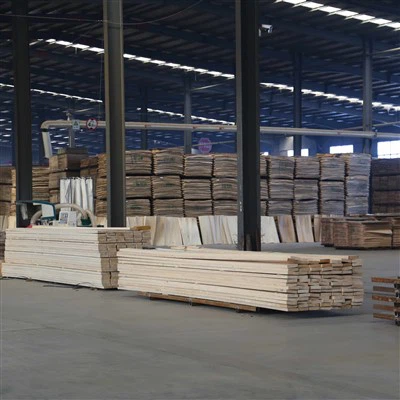
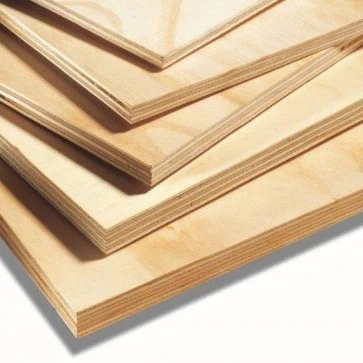
Hey there! I'm a supplier of China LVL (Laminated Veneer Lumber) wood, and I've been in this business for quite some time. Over the years, I've seen how trade policies can have a huge impact on our exports. So, I thought I'd share my thoughts on what trade policies are affecting China LVL wood exports.


Tariffs and Duties
One of the most significant trade policies that affect China LVL wood exports is tariffs and duties. Many countries impose tariffs on imported goods to protect their domestic industries. When it comes to LVL wood, these tariffs can vary widely from one country to another.
For example, some countries might have high tariffs on LVL wood imports to encourage the use of their own domestic timber products. This can make our China LVL wood more expensive for customers in those countries, which in turn reduces our competitiveness. On the other hand, some countries with lower tariffs or free trade agreements can be more attractive markets for us.
Let's say we're exporting to a country with a 20% tariff on LVL wood. If our product costs $100 per unit, the customer in that country will have to pay $120 after the tariff is added. That's a significant increase, and it might make them look for cheaper alternatives.
Environmental Regulations
Another important aspect is environmental regulations. These days, more and more countries are concerned about sustainable forestry and the environmental impact of wood products. China has been making great efforts to ensure that its LVL wood is sourced from sustainable forests and meets international environmental standards.
For instance, the LVL Green Material Certification is a big deal. It shows that our LVL wood is produced in an environmentally friendly way. However, different countries may have different requirements for environmental certifications. Some might require specific third - party certifications, and if our products don't meet those requirements, we could face restrictions on exports.
Some countries have strict regulations on the use of chemicals in wood processing. If our LVL wood doesn't comply with their chemical residue limits, it won't be allowed into their markets. This means we have to be very careful about our production processes and make sure we're using the right chemicals and following all the necessary environmental guidelines.
Quotas
Quotas are also a trade policy tool that can affect our exports. Some countries set limits on the quantity of LVL wood that can be imported from China each year. This is usually done to protect their domestic wood - processing industries.
If we're exporting to a country with a quota of 10,000 cubic meters of LVL wood per year, and we've already reached that limit, we won't be able to export any more until the next quota period. This can be really frustrating for us, especially if we have a lot of orders from customers in that country.
Trade Agreements
Free trade agreements (FTAs) can be a game - changer for our China LVL wood exports. When China has an FTA with a country, it usually means lower tariffs, fewer non - tariff barriers, and more market access.
For example, if there's an FTA between China and a particular country, our LVL wood might be able to enter that market with little or no tariff. This makes our products more price - competitive compared to local products or products from other countries without an FTA.
We've been closely following the development of these trade agreements. When a new FTA is signed, we quickly start exploring the market in the partner country. We can offer our Natural Color LVL Lumber Hardwood at a more competitive price, which is very appealing to customers there.
Market Access Restrictions
Some countries may have non - tariff barriers that act as market access restrictions. These can include technical standards, product labeling requirements, and import licensing procedures.
For example, a country might have very specific technical standards for the strength and quality of LVL wood. If our products don't meet those standards, we can't sell them in that market. Also, they might require very detailed product labeling, including information about the wood source, production process, and environmental impact. If we don't provide the right labels, our products could be held up at the border.
Impact on Our Business
All these trade policies have a direct impact on our business as a China LVL wood supplier. The tariffs and quotas can limit our market growth and reduce our profits. We have to factor in the cost of tariffs when setting our prices, which can make our products less competitive in some markets.
The environmental regulations and market access restrictions mean we have to invest more in research and development to meet all the requirements. We need to ensure that our production processes are up - to - date and that our products are of the highest quality.
On the positive side, trade agreements open up new opportunities for us. They allow us to expand into new markets and increase our sales. We can also use these agreements to promote our Modern Design LVL Timbers for Roof Construction in markets where they were previously difficult to access.
Looking Ahead
As a China LVL wood supplier, we're constantly monitoring these trade policies. We're working closely with industry associations and government agencies to stay informed about any changes. We're also investing in improving our products and production processes to meet all the international requirements.
We believe that by adapting to these trade policies, we can continue to grow our business and provide high - quality LVL wood to customers around the world. If you're interested in our China LVL wood products, whether it's the natural - color hardwood or the modern - design timbers for roof construction, don't hesitate to get in touch with us. We're always ready to have a chat about your needs and see how we can work together.
References
- International Trade Centre reports on wood product trade.
- Publications from relevant environmental protection agencies on wood product regulations.
- News and announcements from government trade departments regarding trade agreements and policies.