When it comes to construction and building materials, the strength-to-weight ratio is a crucial factor that can significantly impact the efficiency, cost, and safety of a project. As a supplier of Size LVL (Laminated Veneer Lumber) Lumber, I often get asked about the strength-to-weight ratio of our products. In this blog post, I'll delve into what the strength-to-weight ratio of Size LVL Lumber is, why it matters, and how it compares to other building materials.
Understanding the Strength-to-Weight Ratio
The strength-to-weight ratio is a measure of how much load a material can bear relative to its weight. A high strength-to-weight ratio means that the material can support a large amount of weight without being overly heavy. This is particularly important in construction, where minimizing weight can reduce the overall load on a structure, lower transportation costs, and make installation easier.
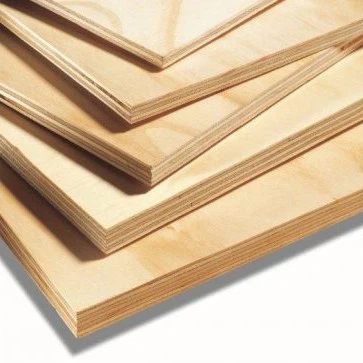
For Size LVL Lumber, the strength-to-weight ratio is determined by its unique manufacturing process. LVL is made by bonding multiple layers of thin wood veneers together with adhesives. The veneers are typically arranged with their grain parallel to each other, which gives LVL its high strength in the direction of the grain. This construction method allows LVL to achieve a high strength-to-weight ratio compared to solid wood or other engineered wood products.
Factors Affecting the Strength-to-Weight Ratio of Size LVL Lumber
Several factors can influence the strength-to-weight ratio of Size LVL Lumber. These include:
- Veneer Quality: The quality of the wood veneers used in LVL production plays a significant role in determining its strength and weight. Higher-quality veneers with fewer defects and a more consistent grain pattern will generally result in a stronger and lighter LVL product.
- Adhesive Type: The type of adhesive used to bond the veneers together can also affect the strength and weight of LVL. High-quality adhesives can provide a strong bond between the veneers, enhancing the overall strength of the LVL. Additionally, some adhesives may be lighter in weight, contributing to a better strength-to-weight ratio.
- Lamination Process: The lamination process, including the pressure and temperature applied during bonding, can impact the density and strength of LVL. Properly controlled lamination conditions can ensure that the veneers are bonded together tightly, resulting in a stronger and more uniform LVL product.
- LVL Size and Thickness: The size and thickness of the LVL can also affect its strength-to-weight ratio. Generally, larger and thicker LVL members will have a higher strength capacity but may also be heavier. However, the strength-to-weight ratio can still be optimized by carefully selecting the appropriate size and thickness for the specific application.
Benefits of a High Strength-to-Weight Ratio in Size LVL Lumber
The high strength-to-weight ratio of Size LVL Lumber offers several benefits in construction applications. These include:
- Reduced Structural Load: The lightweight nature of LVL allows it to support heavy loads without adding excessive weight to the structure. This can reduce the overall load on the foundation and other structural components, potentially leading to cost savings in foundation design and construction.
- Easier Handling and Installation: Compared to solid wood or other heavy building materials, LVL is easier to handle and install. Its lighter weight makes it more manageable on the job site, reducing the risk of injuries and improving productivity.
- Longer Spans: The high strength of LVL allows it to span longer distances without the need for intermediate supports. This can create more open and flexible floor plans in buildings, providing greater design flexibility and functionality.
- Improved Durability: LVL is less prone to warping, twisting, and splitting compared to solid wood. Its uniform structure and high strength make it a more reliable and durable building material, especially in applications where stability and long-term performance are critical.
Comparing the Strength-to-Weight Ratio of Size LVL Lumber to Other Building Materials
When comparing the strength-to-weight ratio of Size LVL Lumber to other building materials, it's important to consider the specific application and requirements of the project. Here's a brief comparison of LVL with some common building materials:


- Solid Wood: While solid wood can be strong, its strength-to-weight ratio is generally lower than that of LVL. Solid wood is also more prone to warping, shrinking, and swelling, which can affect its long-term performance.
- Steel: Steel is known for its high strength, but it is also much heavier than LVL. The high weight of steel can increase the overall load on a structure and may require more substantial foundations. Additionally, steel is more expensive than LVL and may be subject to corrosion in certain environments.
- Concrete: Concrete is a heavy and strong building material, but its strength-to-weight ratio is relatively low compared to LVL. Concrete also requires a significant amount of time and labor to install, and it may be more difficult to modify or repair once it has hardened.
Applications of Size LVL Lumber with a High Strength-to-Weight Ratio
The high strength-to-weight ratio of Size LVL Lumber makes it suitable for a wide range of construction applications. Some common uses of LVL include:
- Beams and Headers: LVL beams and headers are commonly used in residential and commercial construction to support heavy loads over long spans. Their high strength and lightweight nature make them an ideal choice for applications where space is limited or where a more open floor plan is desired.
- Columns and Posts: LVL columns and posts can provide strong and stable support for structures. They are often used in place of solid wood columns, as they offer a higher strength-to-weight ratio and are less prone to warping and splitting. Check out our Anti-corrosion LVL Columns Support for more information.
- Floor and Roof Joists: LVL floor and roof joists are a popular choice for residential and commercial construction. Their high strength and stiffness allow them to support heavy loads and provide a stable platform for flooring and roofing materials.
- Wall Studs: LVL wall studs can be used in place of traditional wood studs to provide a stronger and more durable wall structure. They are less likely to bow or twist, which can help to maintain the integrity of the wall and reduce the risk of cracks or other damage.
Our High-Performance Size LVL Lumber Products
As a supplier of Size LVL Lumber, we are committed to providing our customers with high-quality products that offer an excellent strength-to-weight ratio. Our LVL products are manufactured using the latest technology and strict quality control measures to ensure consistent performance and reliability.
We offer a wide range of Size LVL Lumber products, including beams, headers, columns, joists, and studs. Our products are available in various sizes and thicknesses to meet the specific needs of your project. Whether you're building a residential home, a commercial building, or an industrial structure, our LVL products can provide the strength and performance you need.
In addition to our standard LVL products, we also offer High-performance LVL Building Materials that are designed to meet the most demanding construction requirements. These products are engineered to provide even higher strength and durability, making them ideal for applications where extreme loads or harsh environmental conditions are expected.
Contact Us for Your Size LVL Lumber Needs
If you're interested in learning more about the strength-to-weight ratio of Size LVL Lumber or if you have a specific project in mind, we'd love to hear from you. Our team of experts can provide you with detailed information about our products, answer your questions, and help you select the right LVL solution for your needs.
Whether you're a contractor, builder, architect, or homeowner, we're here to support you every step of the way. Contact us today to discuss your project requirements and get a quote for our Size LVL Lumber products. We look forward to working with you to create a successful and sustainable construction project.
References
- Forest Products Laboratory. (2010). Wood Handbook: Wood as an Engineering Material. Madison, WI: U.S. Department of Agriculture, Forest Service.
- Simpson Strong-Tie. (n.d.). Laminated Veneer Lumber (LVL) Design Guide. Retrieved from [Simpson Strong-Tie Website]
- APA - The Engineered Wood Association. (n.d.). Laminated Veneer Lumber (LVL) Technical Information. Retrieved from [APA Website]