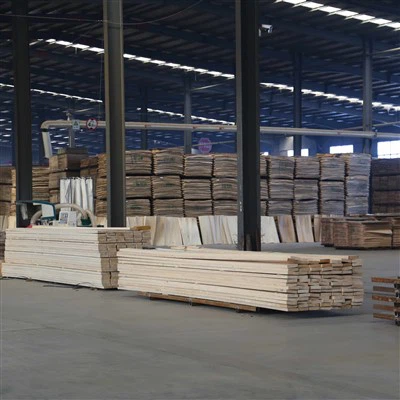
Hey there! As an outdoor structural plywood supplier, I'm super stoked to dive into what outdoor structural plywood is all about. In this blog, I'll spill the beans on what makes this stuff so special, its uses, and why you might want to consider it for your next project.
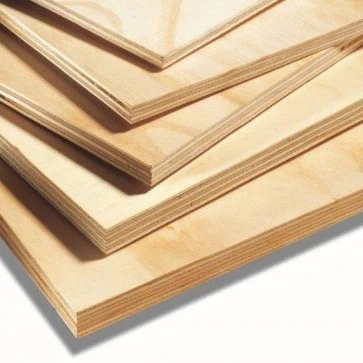
So, what exactly is outdoor structural plywood? Well, it's a type of plywood that's specifically designed to be used in outdoor settings. Unlike regular plywood, outdoor structural plywood is built to withstand the elements. It's made by gluing together multiple layers of wood veneers, with the grain of each layer running perpendicular to the one below it. This cross-grain construction gives the plywood its strength and stability, making it ideal for structural applications.
One of the key features of outdoor structural plywood is its durability. It's treated with special chemicals to resist rot, decay, and insect damage. This means it can last for years, even when exposed to harsh weather conditions. Whether it's rain, snow, or intense sunlight, outdoor structural plywood can handle it all.
Another important aspect is its strength. Outdoor structural plywood is engineered to support heavy loads. It's commonly used in construction projects where a strong and reliable material is needed. For example, it can be used as a subfloor in a deck, providing a solid base for the decking boards. It can also be used in the framing of a building, helping to support the weight of the roof and walls.
Now, let's talk about the different types of outdoor structural plywood available. There are several grades, each with its own set of characteristics and uses. The most common grades are CDX and OSB (oriented strand board). CDX plywood is a popular choice for outdoor projects. It has a rough surface and is often used for temporary structures or as a sheathing material. OSB, on the other hand, is made from strands of wood that are oriented in a specific direction. It's known for its strength and is commonly used in roof and wall sheathing.
In addition to these grades, there are also specialty outdoor structural plywood products available. For example, you can find Best Quality Outdoor Structural Plywood that is specifically designed for high-end projects. This type of plywood is often made from premium wood species and has a smooth finish, making it suitable for both structural and aesthetic purposes.
Another specialty product is Anti-corrosion Structural Plywood for Dock Pavement. This plywood is treated with anti-corrosion agents to protect it from the harsh marine environment. It's commonly used in the construction of docks and piers, where it needs to withstand constant exposure to water and salt.
And then there's Anticorrosive Structural Plywood Lumber for Formwork. This type of plywood is used in concrete formwork, where it needs to be able to withstand the pressure of the wet concrete. It's treated to prevent corrosion and ensure a long service life.
So, where can you use outdoor structural plywood? The possibilities are endless. Here are some common applications:
- Decks and Patios: As mentioned earlier, outdoor structural plywood is a great choice for deck subfloors. It provides a strong and stable base for the decking boards, ensuring a safe and durable deck.
- Roofing and Wall Sheathing: Outdoor structural plywood can be used as a sheathing material for roofs and walls. It helps to protect the building from the elements and provides additional strength to the structure.
- Fences and Gates: Outdoor structural plywood can be used to build fences and gates. It's strong enough to withstand the wind and provides a solid barrier for privacy and security.
- Playhouses and Sheds: If you're building a playhouse or a shed, outdoor structural plywood is a great material to use. It can be used for the walls, roof, and floor, providing a sturdy and weather-resistant structure.
- Docks and Piers: As mentioned earlier, anti-corrosion outdoor structural plywood is commonly used in the construction of docks and piers. It can withstand the constant exposure to water and salt, ensuring a long-lasting and safe structure.
When it comes to choosing the right outdoor structural plywood for your project, there are a few things to consider. First, you need to determine the grade and thickness of the plywood. The grade will depend on the specific application and the level of durability required. The thickness will depend on the load-bearing requirements of the project.
You also need to consider the type of wood species used in the plywood. Different wood species have different characteristics, such as strength, durability, and appearance. For example, cedar is a popular choice for outdoor projects because it's naturally resistant to rot and decay.
Finally, you need to consider the cost. Outdoor structural plywood can vary in price depending on the grade, thickness, and wood species. It's important to compare prices from different suppliers to get the best deal.
As an outdoor structural plywood supplier, I can help you choose the right product for your project. I have a wide range of outdoor structural plywood options available, including different grades, thicknesses, and wood species. I can also provide you with expert advice on installation and maintenance.
If you're interested in purchasing outdoor structural plywood for your next project, I encourage you to get in touch with me. We can discuss your specific needs and requirements, and I can provide you with a quote. Whether you're a DIY enthusiast or a professional contractor, I'm here to help you find the best outdoor structural plywood solution for your project.


In conclusion, outdoor structural plywood is a versatile and durable material that is ideal for a wide range of outdoor applications. It's strong, weather-resistant, and can last for years. Whether you're building a deck, a shed, or a dock, outdoor structural plywood is a great choice. So, if you're in the market for outdoor structural plywood, don't hesitate to contact me. I'm here to help you make the right choice and get the job done right.
References:
- Wood Handbook: Wood as an Engineering Material, United States Department of Agriculture Forest Service
- Plywood and Composite Panels Association